
A structured daily schedule provides a framework for managing the demands of contemporary life. By allocating designated time periods for different activities, people can improve their productivity and ensure important tasks receive adequate attention. This method reduces the mental effort required for constant decision-making throughout the day, enabling more concentrated and effective time utilization.
Research indicates that students who establish specific hours for studying, class attendance, and extracurricular participation typically demonstrate lower stress levels and improved academic performance compared to those without organized daily plans. Additionally, structured scheduling promotes discipline and personal accountability. When people establish and commit to a timetable, adherence to planned activities increases significantly.
This consistency facilitates the formation of beneficial habits over extended periods. Studies show that individuals who designate regular morning time for physical exercise not only maintain better physical health but also experience enhanced mental well-being. The predictable nature of structured scheduling establishes a stable daily rhythm, which proves particularly valuable during periods of uncertainty or elevated stress levels.
Exploring the Advantages of a Flexible Daily Schedule
In contrast to a rigid structure, a flexible daily schedule offers the freedom to adapt to changing circumstances and personal needs. This adaptability can be particularly advantageous in today’s fast-paced world, where unexpected events can disrupt even the best-laid plans. For instance, a professional who has the autonomy to shift their work hours based on project demands or personal commitments can maintain a healthier work-life balance.
This flexibility allows individuals to respond to opportunities or challenges as they arise, fostering creativity and innovation. Additionally, a flexible schedule can enhance overall well-being by allowing individuals to prioritize self-care and personal interests. For example, someone who has the freedom to adjust their work hours might choose to take a longer lunch break to engage in a hobby or spend time with family.
This ability to integrate personal fulfillment into one’s daily routine can lead to increased job satisfaction and reduced burnout. Furthermore, flexibility can encourage spontaneity and exploration, enabling individuals to seize opportunities for growth and learning that they might otherwise miss in a strictly structured environment.
Finding the Right Balance Between Structure and Flexibility
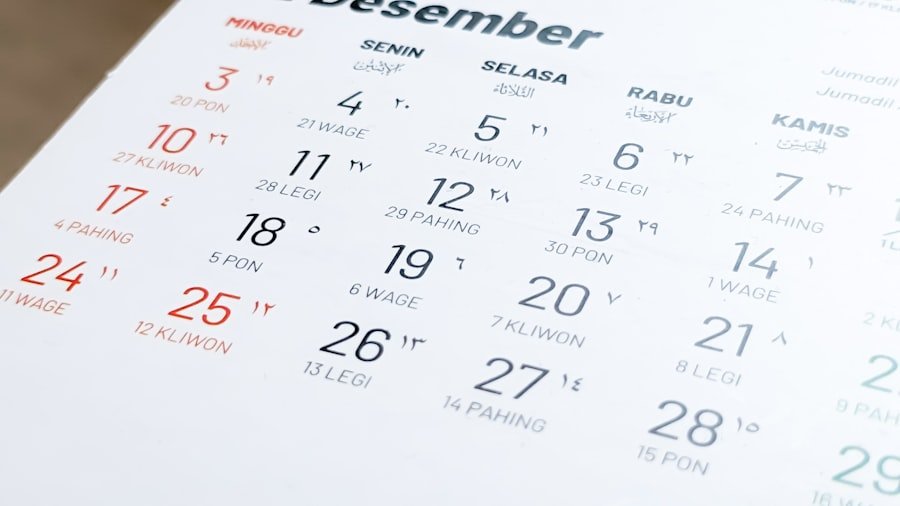
Striking the right balance between structure and flexibility is crucial for optimizing productivity while maintaining personal well-being. A schedule that is too rigid may lead to feelings of confinement and stress, while one that is overly flexible can result in disorganization and inefficiency. The key lies in creating a framework that allows for both predictability and adaptability.
For instance, an individual might establish core hours dedicated to work or study while leaving open blocks of time for spontaneous activities or relaxation. To achieve this balance, it is essential to identify which tasks require structure and which can benefit from flexibility. For example, deadlines for work projects or academic assignments often necessitate a more structured approach, while personal activities such as exercise or socializing can be scheduled with greater fluidity.
By recognizing the nature of different tasks, individuals can design a daily schedule that accommodates both their responsibilities and their need for spontaneity.
Tips for Creating a Structured Daily Schedule
Creating an effective structured daily schedule begins with setting clear goals and priorities. Individuals should take time to identify their most important tasks and allocate specific time slots for each one. Utilizing tools such as planners or digital calendars can aid in visualizing the day ahead.
For example, someone might block out time in the morning for focused work sessions, followed by scheduled breaks to recharge. This method not only enhances productivity but also helps prevent burnout by ensuring that rest is built into the day. Another important aspect of structuring a daily schedule is incorporating buffer time between tasks.
Life is inherently unpredictable, and allowing for some flexibility within a structured framework can help accommodate unexpected interruptions or delays. For instance, if a meeting runs longer than anticipated, having buffer time can prevent subsequent tasks from being derailed. Additionally, reviewing and adjusting the schedule at the end of each day can provide insights into what worked well and what needs improvement, fostering continuous growth in time management skills.
Tips for Incorporating Flexibility into Your Daily Schedule
| Aspect | Structured Daily Schedule | Flexible Daily Schedule |
|---|---|---|
| Definition | Pre-planned, fixed time slots for activities | Adaptable timing and order of activities |
| Time Management | Strict adherence to set times | Allows adjustments based on priorities |
| Productivity | High consistency and routine | Varies; can be high with self-discipline |
| Stress Levels | Can increase due to rigidity | Often lower due to adaptability |
| Suitability | Best for repetitive tasks and deadlines | Ideal for creative or unpredictable work |
| Examples | Work shifts, school timetables | Freelance work, parenting schedules |
| Control | High control over daily activities | Moderate control, more autonomy |
| Adaptability | Low adaptability to changes | High adaptability to unexpected events |
Incorporating flexibility into a daily schedule requires intentional planning and an open mindset. One effective strategy is to designate certain periods as “flex time,” where individuals can choose how to spend their hours based on their current energy levels or interests. For example, after completing essential tasks in the morning, an individual might use the afternoon flex time to engage in creative projects or take a walk outside.
This approach not only promotes productivity but also encourages self-care and rejuvenation. Another way to introduce flexibility is by adopting the practice of time blocking with adjustable segments. Instead of assigning fixed durations for each task, individuals can create blocks that allow for variation based on progress or inspiration.
For instance, if someone is working on a writing project and finds themselves in a creative flow, they might extend that block while postponing less urgent tasks. This adaptability ensures that individuals remain engaged and motivated throughout the day while still making progress toward their goals.
How to Adapt Your Schedule to Different Life Phases and Circumstances

Life is characterized by constant change, and adapting one’s schedule to reflect different phases or circumstances is essential for maintaining balance and well-being. Major life events such as starting a new job, welcoming a child, or pursuing further education often necessitate significant adjustments in daily routines. For instance, new parents may find that their schedules need to accommodate irregular sleep patterns and caregiving responsibilities, requiring them to prioritize self-care and flexibility more than ever before.
To effectively adapt schedules during these transitions, individuals should regularly assess their current commitments and responsibilities. This assessment may involve reevaluating priorities and determining which tasks are essential versus those that can be postponed or delegated. For example, someone returning to school may need to reduce work hours or eliminate non-essential activities to focus on their studies.
By being proactive in adjusting their schedules, individuals can navigate life changes with greater ease and maintain a sense of control over their time.
The Importance of Regularly Evaluating and Adjusting Your Daily Schedule
Regular evaluation of one’s daily schedule is crucial for ensuring its effectiveness over time. As circumstances change—whether due to shifts in work demands, personal interests, or family obligations—what once worked well may no longer be suitable. Setting aside time each week or month to reflect on how well the current schedule aligns with goals can provide valuable insights into necessary adjustments.
This practice not only enhances productivity but also fosters self-awareness regarding how time is spent. During these evaluations, individuals should consider factors such as energy levels throughout the day, task completion rates, and overall satisfaction with their routines. For instance, if someone notices that they consistently struggle with focus during afternoon hours, they might choose to shift more demanding tasks to earlier in the day when they feel more alert.
By being willing to adapt and refine their schedules based on personal experiences and feedback, individuals can create a dynamic framework that supports their evolving needs.
Finding What Works Best for You: Personalizing Your Daily Schedule
Personalization is key when it comes to creating an effective daily schedule that resonates with individual preferences and lifestyles. Each person has unique rhythms, energy levels, and priorities that influence how they approach their day. To find what works best, individuals should experiment with different scheduling techniques and formats until they discover what feels most natural and productive for them.
For example, some may thrive on detailed hour-by-hour plans, while others might prefer broader outlines with flexible time slots. Additionally, incorporating personal interests and passions into the daily schedule can enhance motivation and fulfillment. Whether it’s setting aside time for hobbies, socializing with friends, or engaging in self-care practices like meditation or exercise, integrating these elements into one’s routine can lead to greater overall satisfaction.
By recognizing that there is no one-size-fits-all approach to scheduling, individuals can craft personalized routines that reflect their values and aspirations while effectively managing their responsibilities.
FAQs
What is a structured daily schedule?
A structured daily schedule is a planned timetable where activities and tasks are assigned specific times and durations. It typically follows a fixed routine, allowing little variation throughout the day.
What is a flexible daily schedule?
A flexible daily schedule allows for adaptability in planning daily activities. It provides general time blocks or priorities but permits changes based on circumstances, preferences, or unexpected events.
What are the main differences between structured and flexible schedules?
The main differences lie in rigidity and adaptability. Structured schedules are rigid with fixed times for tasks, while flexible schedules allow adjustments and prioritize tasks without strict timing.
Which type of schedule is better for productivity?
Both can enhance productivity depending on individual preferences and work style. Structured schedules benefit those who thrive on routine, while flexible schedules suit people who need adaptability and spontaneity.
Can a daily schedule be both structured and flexible?
Yes, many people use a hybrid approach, combining fixed time blocks for essential tasks with flexible periods for less critical activities or breaks.
What are the advantages of a structured daily schedule?
Advantages include improved time management, reduced procrastination, clear expectations, and easier tracking of progress.
What are the advantages of a flexible daily schedule?
Advantages include adaptability to changing priorities, reduced stress from unexpected events, and increased creativity and freedom.
Who should consider using a structured daily schedule?
Individuals with strict deadlines, those who prefer routine, or people managing multiple responsibilities may benefit from a structured schedule.
Who should consider using a flexible daily schedule?
People with unpredictable workloads, creative professions, or those who prefer autonomy and spontaneity may find flexible schedules more effective.
How can one decide which schedule type to use?
Consider personal work habits, job requirements, lifestyle, and stress levels. Experimenting with both types can help determine which approach maximizes efficiency and well-being.