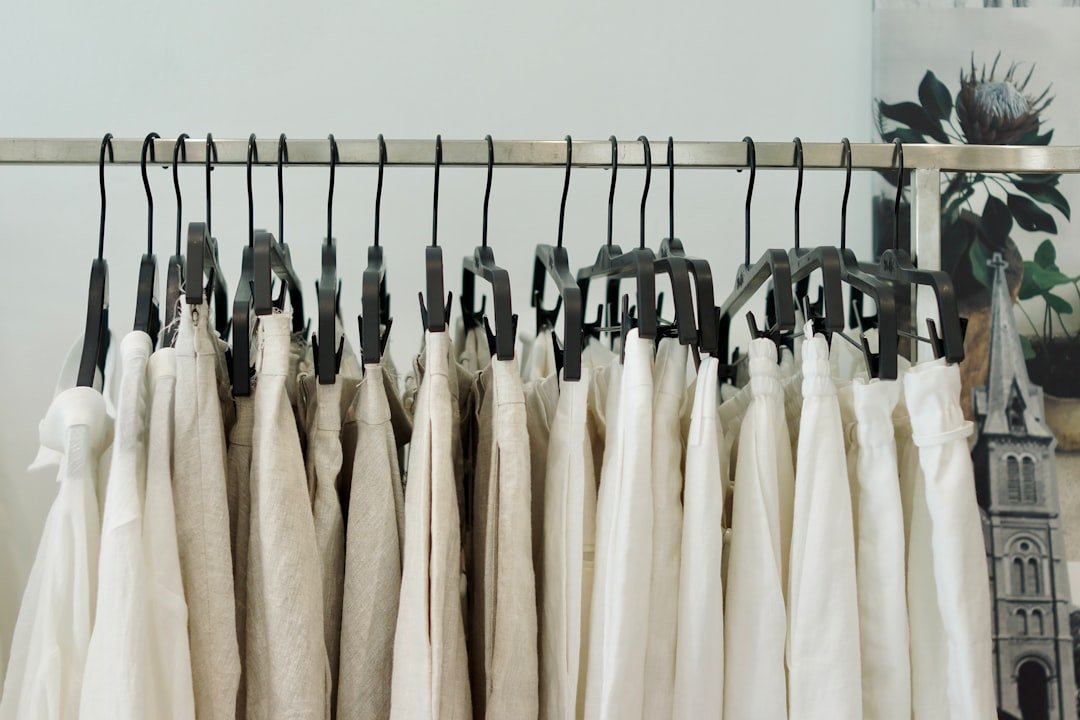
Sustainable fashion is an evolving concept that seeks to address the environmental and social impacts of the clothing industry. It encompasses a wide range of practices aimed at reducing waste, conserving resources, and promoting ethical labor conditions. The fashion industry is notorious for its significant carbon footprint, water consumption, and pollution, which has led to a growing awareness among consumers about the importance of making more conscious choices.
Sustainable fashion is not merely a trend; it represents a fundamental shift in how we perceive clothing, urging us to consider the lifecycle of garments from production to disposal. At its core, sustainable fashion advocates for a holistic approach to clothing consumption. This includes understanding the materials used in garments, the conditions under which they are produced, and the implications of fast fashion on both the environment and society.
For instance, conventional cotton farming often involves heavy pesticide use and significant water consumption, while synthetic fabrics like polyester are derived from petroleum, contributing to environmental degradation. By choosing sustainable materials such as organic cotton, Tencel, or recycled fibers, consumers can play a pivotal role in reducing the negative impacts associated with traditional fashion practices.
Assessing Your Current Wardrobe
Before embarking on a journey toward sustainable fashion, it is essential to take stock of your current wardrobe. This process involves a thorough evaluation of what you own, identifying items that you frequently wear versus those that remain untouched. A wardrobe audit can reveal patterns in your purchasing habits and help you understand your personal style better.
By categorizing your clothing into keep, donate, and recycle piles, you can make informed decisions about what to retain and what to let go of. During this assessment, consider the versatility and functionality of each piece. Are there items that can be styled in multiple ways?
Do you have clothing that serves a specific purpose but lacks versatility? By identifying these factors, you can streamline your wardrobe to include only those pieces that align with your lifestyle and values. This not only reduces clutter but also fosters a more intentional approach to dressing, allowing you to appreciate the garments you choose to keep.
Investing in Timeless Pieces
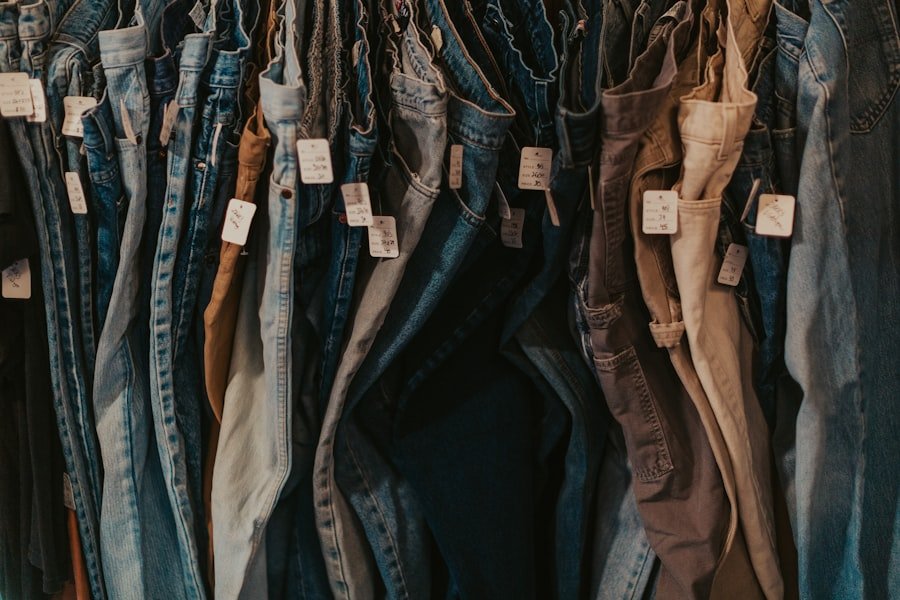
One of the cornerstones of sustainable fashion is the investment in timeless pieces that transcend seasonal trends. Fast fashion often promotes a cycle of constant consumption, encouraging consumers to buy new items frequently. In contrast, timeless pieces are characterized by their enduring style and quality, making them suitable for various occasions over many years.
Classic items such as a well-tailored blazer, a little black dress, or a pair of high-quality jeans can serve as the foundation of a sustainable wardrobe. When selecting timeless pieces, it is crucial to prioritize quality over brand names or trends. High-quality garments are typically made from durable materials and exhibit superior craftsmanship, ensuring they withstand the test of time.
For example, investing in a pair of leather boots made by skilled artisans can provide years of wear compared to cheaper alternatives that may wear out quickly. By focusing on timelessness and quality, consumers can reduce their overall consumption and contribute to a more sustainable fashion ecosystem.
Embracing Second-Hand and Vintage
The second-hand and vintage clothing market has gained significant traction in recent years as consumers seek more sustainable alternatives to fast fashion. Shopping for pre-owned garments not only reduces waste but also offers unique pieces that tell a story. Thrift stores, consignment shops, and online platforms dedicated to second-hand sales provide an array of options for those looking to expand their wardrobe sustainably.
By embracing second-hand shopping, individuals can find high-quality items at a fraction of the original price while minimizing their environmental impact. Vintage clothing holds a special allure due to its distinctiveness and historical significance. Each piece carries its own narrative, reflecting the fashion trends of its time.
For instance, a vintage 1970s maxi dress or a 1980s denim jacket can add character to any outfit while promoting sustainability. Additionally, purchasing vintage items supports local businesses and reduces the demand for new production, further contributing to a more sustainable fashion landscape.
Supporting Ethical and Transparent Brands
| Method | Description | Benefits | Estimated Impact |
|---|---|---|---|
| Buy Quality Over Quantity | Invest in durable, well-made clothing that lasts longer. | Reduces waste and frequent replacements. | Can extend garment life by 2-5 years. |
| Choose Sustainable Materials | Opt for organic cotton, hemp, recycled fabrics, and Tencel. | Lower environmental footprint and less water usage. | Up to 50% reduction in water consumption. |
| Buy Secondhand or Vintage | Purchase pre-owned clothing from thrift stores or online. | Reduces demand for new production and landfill waste. | Can save up to 70% of carbon emissions per item. |
| Practice Minimalism | Limit wardrobe size to essential, versatile pieces. | Encourages mindful consumption and reduces clutter. | Decreases clothing purchases by 30-50% annually. |
| Care and Repair | Maintain clothes properly and fix damages promptly. | Extends garment lifespan and reduces waste. | Can double the usable life of clothing. |
| Support Ethical Brands | Buy from companies with fair labor and sustainable practices. | Promotes social responsibility and environmental care. | Encourages industry-wide sustainable changes. |
| Recycle and Donate | Give old clothes a second life through donation or recycling. | Reduces landfill waste and resource consumption. | Diverts up to 85% of textiles from landfills. |
As consumers become more aware of the implications of their purchasing decisions, supporting ethical and transparent brands has become increasingly important. These brands prioritize fair labor practices, environmentally friendly materials, and transparent supply chains. By choosing to shop from companies that adhere to ethical standards, consumers can ensure that their clothing is produced under humane conditions and with minimal environmental impact.
Researching brands before making purchases is essential in this regard. Many ethical brands provide detailed information about their sourcing practices, labor conditions, and environmental initiatives on their websites. For example, brands like Patagonia and Everlane are known for their commitment to transparency and sustainability.
Patagonia’s dedication to environmental activism is evident in its use of recycled materials and its pledge to donate a percentage of profits to environmental causes. Similarly, Everlane’s “Radical Transparency” initiative allows customers to see the true cost behind each product, fostering trust and accountability.
Prioritizing Quality Over Quantity
In a world dominated by fast fashion’s allure of low prices and rapid turnover, prioritizing quality over quantity is a fundamental principle of sustainable fashion. The temptation to buy numerous inexpensive items can lead to a cluttered wardrobe filled with garments that quickly lose their appeal or wear out after minimal use. Instead, focusing on acquiring fewer but higher-quality pieces can lead to a more satisfying and sustainable wardrobe.
High-quality clothing often features superior materials and craftsmanship, resulting in garments that not only look better but also last longer. For instance, investing in a well-constructed wool sweater may seem more expensive upfront compared to cheaper alternatives; however, its durability means it will remain a staple in your wardrobe for years to come. Additionally, quality pieces often require less frequent replacement, ultimately reducing waste and consumption over time.
Taking Care of Your Clothing
Proper care for your clothing is an essential aspect of sustainable fashion that is often overlooked. By extending the lifespan of your garments through thoughtful maintenance practices, you can significantly reduce waste and minimize your environmental footprint. Simple actions such as washing clothes in cold water, air-drying instead of using a dryer, and following care labels can make a substantial difference in how long your clothing lasts.
Moreover, learning basic repair skills can empower you to mend minor damages rather than discarding items at the first sign of wear. Sewing on buttons, patching holes, or even altering garments can breathe new life into pieces that might otherwise be deemed unwearable. There are numerous online resources available that provide tutorials on clothing repair techniques, making it easier than ever for individuals to take ownership of their wardrobe maintenance.
Recycling and Upcycling
As part of a comprehensive approach to sustainable fashion, recycling and upcycling offer innovative solutions for dealing with unwanted clothing. Recycling involves breaking down textiles into raw materials that can be used to create new products, while upcycling transforms old garments into new creations with added value. Both practices contribute to reducing waste in landfills and minimizing the demand for new resources.
Many organizations accept textile donations for recycling purposes or repurpose old clothing into new products such as bags or home decor items. Upcycling has gained popularity among DIY enthusiasts who enjoy crafting unique pieces from discarded garments. For example, turning an old pair of jeans into a stylish tote bag not only gives new life to an item but also showcases creativity and resourcefulness.
By engaging in recycling and upcycling initiatives, individuals can actively participate in the movement toward a more sustainable fashion future while expressing their personal style in innovative ways.
FAQs
What is a sustainable wardrobe?
A sustainable wardrobe consists of clothing and accessories that are produced, purchased, and maintained in ways that minimize environmental impact and promote ethical labor practices. It focuses on durability, eco-friendly materials, and reducing waste.
Why is building a sustainable wardrobe important?
Building a sustainable wardrobe helps reduce the fashion industry’s negative effects on the environment, such as pollution, water consumption, and waste. It also supports fair labor conditions and encourages mindful consumption.
How can I start building a sustainable wardrobe?
Start by assessing your current wardrobe, buying fewer but higher-quality items, choosing clothes made from sustainable materials, shopping secondhand, and caring for your clothes to extend their lifespan.
What materials are considered sustainable for clothing?
Sustainable materials include organic cotton, hemp, linen, Tencel (lyocell), recycled polyester, and wool from responsible sources. These materials typically require less water, energy, and chemicals to produce.
Is buying secondhand clothing a sustainable option?
Yes, buying secondhand reduces demand for new clothing production, lowers waste, and extends the life of garments, making it a highly sustainable choice.
How can I care for my clothes to make my wardrobe more sustainable?
Proper care includes washing clothes in cold water, avoiding excessive washing, air drying when possible, repairing damaged items, and storing clothes properly to prevent damage.
Are sustainable fashion brands more expensive?
Sustainable fashion brands can sometimes be more expensive due to higher production costs and ethical practices. However, investing in quality pieces that last longer can save money over time.
Can capsule wardrobes contribute to sustainability?
Yes, capsule wardrobes, which consist of a limited number of versatile pieces, encourage mindful purchasing and reduce clothing waste, supporting a sustainable lifestyle.
How does fast fashion impact sustainability?
Fast fashion promotes rapid production of cheap, low-quality clothing, leading to increased waste, pollution, and unethical labor practices, which are detrimental to sustainability efforts.
What role does recycling play in a sustainable wardrobe?
Recycling textiles helps reduce landfill waste and the need for virgin materials. Donating, repurposing, or recycling old clothes supports a circular fashion economy.