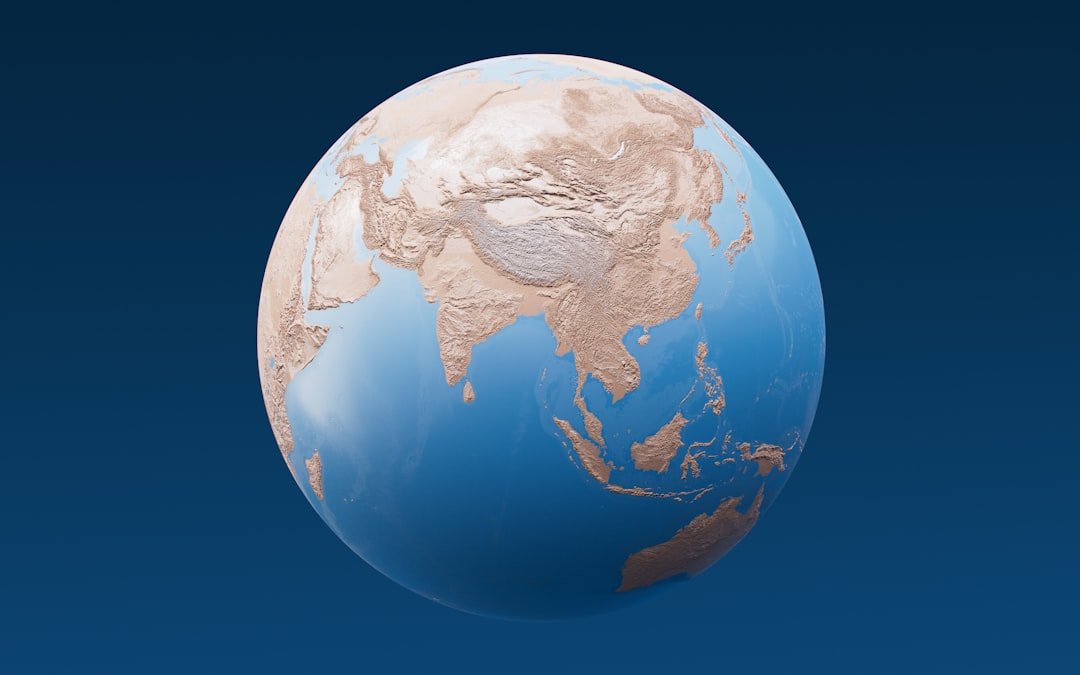
Climate zones are defined by a combination of temperature, precipitation, and seasonal variations, which collectively influence the ecosystems and human activities within those regions. The classification of climate zones is often based on the Köppen climate classification system, which categorizes climates into five primary groups: tropical, dry, temperate, continental, and polar. Each of these groups is further divided into subcategories that account for specific characteristics such as humidity levels, seasonal temperature variations, and precipitation patterns.
For instance, tropical climates are characterized by high temperatures and significant rainfall throughout the year, while polar climates experience extreme cold and minimal precipitation. Understanding climate zones is crucial for various reasons. Firstly, it helps in predicting weather patterns and preparing for natural disasters such as hurricanes, droughts, or floods.
Secondly, it informs agricultural practices, as different crops thrive in specific climates. For example, rice is predominantly grown in tropical regions with ample water supply, while wheat is more suited to temperate climates. Additionally, knowledge of climate zones aids in urban planning and infrastructure development, ensuring that buildings and transportation systems are designed to withstand local weather conditions.
As climate change continues to alter traditional weather patterns, the importance of understanding these zones becomes even more pronounced.
Impact of Climate on Daily Life
The climate of a region significantly influences the daily lives of its inhabitants. In tropical climates, for instance, the warm temperatures and high humidity levels dictate lifestyle choices, from clothing to leisure activities. People living in these areas often wear lightweight clothing and engage in outdoor activities during the cooler parts of the day, such as early mornings or late afternoons.
Conversely, in polar regions where temperatures can plummet to extreme lows, daily life revolves around indoor activities during the harsh winter months. Residents may rely on heating systems and insulated clothing to navigate their environment safely. Moreover, climate affects not only personal habits but also economic activities.
In regions with a dry climate, water conservation becomes a priority, influencing everything from agricultural practices to urban landscaping. For example, xeriscaping—landscaping that reduces or eliminates the need for irrigation—has gained popularity in arid areas. In contrast, temperate climates with moderate rainfall allow for a diverse range of agricultural products and outdoor recreational activities year-round.
The interplay between climate and daily life underscores the necessity for individuals and communities to adapt their lifestyles to their environmental conditions.
Housing and Architecture in Different Climate Zones
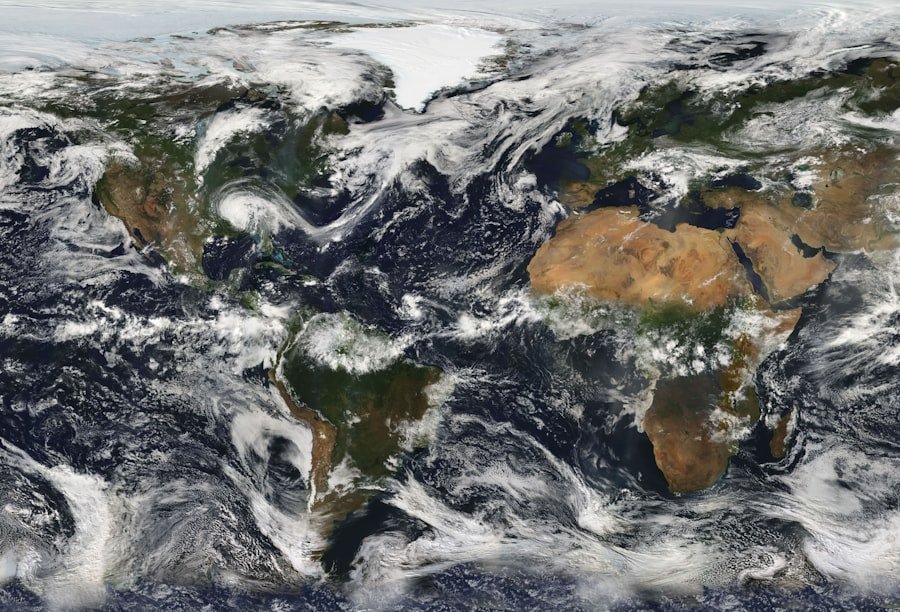
Housing and architecture are profoundly shaped by the climate of a region. In tropical climates, traditional architecture often features high ceilings, large windows, and open spaces to facilitate airflow and cooling. Structures are typically built with materials that can withstand high humidity and heavy rainfall, such as bamboo or concrete.
For instance, stilt houses are common in flood-prone areas to prevent water damage while allowing for ventilation underneath. Additionally, roofs are often designed with steep pitches to allow rainwater to run off quickly. In contrast, homes in polar climates are constructed with insulation as a primary concern.
Buildings are often made from materials that provide excellent thermal resistance to keep interiors warm during frigid winters. The use of triple-glazed windows is common to minimize heat loss. Furthermore, architectural designs may include features such as snow guards on roofs to prevent heavy snow accumulation from causing structural damage.
In temperate regions, homes may incorporate elements from both tropical and polar designs, utilizing energy-efficient technologies while allowing for natural light and ventilation. This diversity in architectural styles reflects the adaptability of human ingenuity in response to varying climatic conditions.
Agriculture and Food Production in Varied Climates
Agriculture is intrinsically linked to climate zones, as different crops require specific temperature ranges and moisture levels for optimal growth. In tropical climates, where temperatures remain consistently warm throughout the year, farmers can cultivate a wide variety of fruits and vegetables year-round. Crops such as bananas, mangoes, and cassava thrive in these conditions due to the abundant rainfall and sunlight.
However, challenges such as pests and diseases can also be prevalent in these regions due to the warm temperatures. In contrast, temperate climates offer a different agricultural landscape characterized by distinct seasons. Farmers in these regions often rotate crops to maintain soil health and maximize yields.
For example, wheat is commonly grown in temperate zones during the cooler months, while corn may be planted in the warmer summer months. Additionally, the presence of frost-free days is critical for determining planting schedules and crop selection. In arid climates, agriculture relies heavily on irrigation systems to support crop growth; techniques such as drip irrigation are employed to conserve water while maximizing efficiency.
The adaptation of agricultural practices to suit local climate conditions is essential for food security and sustainability.
Health and Wellness in Diverse Climates
| Climate Zone | Average Temperature Range (°C) | Typical Housing Features | Common Health Considerations | Energy Consumption Patterns | Outdoor Activity Preferences |
|---|---|---|---|---|---|
| Tropical | 20 – 35 | Elevated homes, large windows, ventilation | Heat exhaustion, mosquito-borne diseases | High cooling demand, low heating | Swimming, hiking in shaded areas |
| Arid (Desert) | 10 – 40 | Thick walls, small windows, insulation | Dehydration, sunburn, respiratory issues | High cooling demand, minimal heating | Early morning or evening activities |
| Temperate | -5 – 25 | Insulated walls, double-glazed windows | Seasonal allergies, cold-related illnesses | Balanced heating and cooling | Seasonal sports, gardening |
| Continental | -20 – 30 | Strong insulation, heating systems | Cold stress, flu prevalence | High heating demand, moderate cooling | Winter sports, summer hiking |
| Polar | -50 – 10 | Highly insulated, airtight homes | Frostbite, vitamin D deficiency | Very high heating demand | Snow sports, limited outdoor time |
The health and wellness of individuals can be significantly influenced by the climate they inhabit. In tropical regions, high humidity levels can lead to discomfort and health issues such as heat exhaustion or dehydration if proper precautions are not taken. Residents are often advised to stay hydrated and seek shade during peak sun hours to mitigate these risks.
Additionally, tropical climates may have higher incidences of vector-borne diseases like malaria or dengue fever due to the prevalence of mosquitoes in warm environments. Conversely, individuals living in colder climates face their own set of health challenges. Prolonged exposure to low temperatures can lead to hypothermia or frostbite if adequate clothing is not worn.
Seasonal Affective Disorder (SAD) is another concern in polar regions where limited sunlight during winter months can affect mental health. To combat these issues, residents may engage in indoor physical activities or utilize light therapy lamps to simulate sunlight exposure. The interplay between climate and health necessitates awareness and proactive measures tailored to specific environmental conditions.
Cultural and Social Differences in Climate Zones
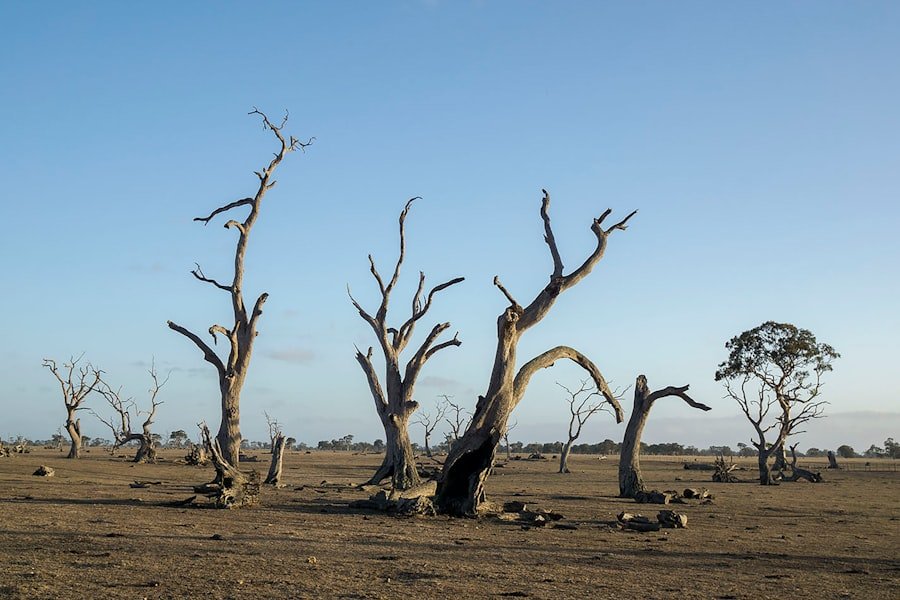
Cultural practices and social interactions are often shaped by the climate of a region. In tropical areas where warm weather prevails year-round, outdoor gatherings and festivals are common. Communities may celebrate harvests with vibrant street fairs that showcase local cuisine and music under the sun.
The emphasis on communal activities fosters strong social bonds among residents who share similar lifestyles influenced by their environment. In contrast, colder climates may encourage more indoor socialization due to harsh weather conditions. Cultural traditions might revolve around winter festivities that celebrate resilience against the elements—such as Christmas markets or ice fishing competitions—where communities come together despite the cold.
Additionally, cultural expressions such as art or music may reflect the unique experiences associated with living in specific climates. The differences in social interactions highlight how climate not only shapes individual lifestyles but also influences broader cultural narratives within communities.
Transportation and Infrastructure Challenges in Varying Climates
Transportation systems must adapt to the challenges posed by different climate zones. In tropical regions prone to heavy rainfall and flooding, road infrastructure must be designed with adequate drainage systems to prevent water accumulation that could disrupt travel. Additionally, transportation networks may need to account for landslides or erosion during monsoon seasons when heavy rains can destabilize roadways.
In polar climates, transportation faces unique challenges due to snow accumulation and icy conditions that can hinder mobility. Snow removal equipment becomes essential for maintaining road safety during winter months, while specialized vehicles equipped with snow tracks may be necessary for traversing remote areas. Furthermore, infrastructure such as bridges must be engineered to withstand extreme cold temperatures that can affect material integrity over time.
The adaptation of transportation systems to meet the demands of varying climates is crucial for ensuring accessibility and safety for residents.
Adapting to Climate Zone Variances: Tips for Living Differences
Adapting to the variances presented by different climate zones requires a proactive approach that encompasses lifestyle changes and practical strategies. For individuals living in tropical climates, investing in breathable fabrics for clothing can enhance comfort during hot weather while utilizing fans or air conditioning systems can help maintain a cool indoor environment. Additionally, engaging in outdoor activities during cooler parts of the day can promote physical well-being without succumbing to heat-related issues.
For those residing in colder climates, layering clothing becomes essential for regulating body temperature throughout the day. Utilizing thermal insulation in homes can significantly reduce heating costs while ensuring comfort during winter months. Moreover, participating in community activities that embrace winter sports or indoor hobbies can foster social connections despite the cold weather outside.
By understanding the nuances of their respective climates and implementing adaptive strategies, individuals can enhance their quality of life while navigating the challenges posed by their environments effectively.
FAQs
What are the main climate zones on Earth?
The main climate zones on Earth are tropical, dry, temperate, continental, and polar. Each zone has distinct temperature ranges, precipitation patterns, and seasonal variations.
How does living in a tropical climate zone affect daily life?
Living in a tropical climate zone typically involves high temperatures and humidity year-round, with a wet and dry season. This affects clothing choices, housing designs (such as elevated homes for ventilation), and lifestyle activities that accommodate heat and frequent rainfall.
What challenges do people face living in dry climate zones?
In dry climate zones, such as deserts, people often deal with extreme temperature fluctuations between day and night, limited water resources, and sparse vegetation. These conditions influence water conservation practices, agriculture, and building materials used for homes.
How does a temperate climate zone influence agriculture?
Temperate climate zones have moderate temperatures and distinct seasons, which support a wide variety of crops and livestock. Seasonal changes require farmers to plan planting and harvesting times carefully to optimize yield.
What are the effects of living in a continental climate zone?
Continental climate zones experience significant temperature variations between summer and winter. Residents must adapt to cold winters with heating needs and warm summers, influencing clothing, transportation, and energy consumption.
How do polar climate zones impact human habitation?
Polar climate zones are characterized by extremely cold temperatures and long winters with limited daylight. Human habitation requires specialized insulation, heating systems, and clothing to survive harsh conditions, and outdoor activities are often limited.
Can climate zones affect health?
Yes, climate zones can impact health by influencing the prevalence of certain diseases, allergens, and heat or cold-related illnesses. For example, tropical zones may have higher risks of mosquito-borne diseases, while cold climates can increase risks of hypothermia.
How do climate zones influence cultural practices?
Climate zones shape cultural practices such as traditional clothing, food preparation, housing styles, and festivals. For instance, communities in cold climates may have customs centered around winter activities, while tropical regions may have celebrations linked to rainy seasons.
Are there economic differences related to climate zones?
Yes, economic activities often vary by climate zone. Agriculture, tourism, and energy consumption patterns are influenced by climate. For example, tropical zones may focus on crops like coffee and bananas, while temperate zones might produce grains and support diverse industries.
How does climate change affect different climate zones?
Climate change can alter temperature and precipitation patterns, impacting ecosystems and human activities differently across climate zones. Some areas may experience more extreme weather, shifts in growing seasons, or increased risks of droughts and floods.