
Tenancy disputes arise from conflicts between landlords and tenants regarding the terms of a lease or rental agreement. These disputes can encompass a wide range of issues, including non-payment of rent, property maintenance, lease violations, and disagreements over security deposits. The nature of these conflicts often stems from differing expectations and interpretations of the lease terms.
For instance, a tenant may believe that a landlord is responsible for certain repairs, while the landlord may argue that the tenant is responsible for maintaining the property. Such misunderstandings can lead to significant tension and, in some cases, legal action. The frequency of tenancy disputes has increased in recent years, particularly in urban areas where housing demand is high.
As rental markets become more competitive, both landlords and tenants may find themselves in precarious situations. For example, a tenant facing financial hardship may struggle to pay rent on time, leading to potential eviction proceedings. Conversely, landlords may feel compelled to enforce lease terms strictly to protect their investment.
Understanding the underlying causes of these disputes is crucial for both parties, as it can help them navigate the complexities of rental agreements and foster better communication.
Mediation as a Resolution Tool
Mediation serves as an effective resolution tool for tenancy disputes by providing a neutral platform for both parties to discuss their issues openly. Unlike litigation, which can be adversarial and costly, mediation encourages collaboration and problem-solving. A trained mediator facilitates the conversation, helping both landlords and tenants articulate their concerns and work towards a mutually agreeable solution.
This process can be particularly beneficial in maintaining ongoing relationships, as it fosters understanding and compromise rather than animosity. One of the key advantages of mediation is its flexibility. The parties involved can explore various solutions that may not be available through formal legal channels.
For instance, a tenant might propose a payment plan for overdue rent, while a landlord could offer to waive late fees in exchange for timely future payments. Such creative solutions can lead to outcomes that satisfy both parties, reducing the likelihood of further disputes. Additionally, mediation is often quicker than court proceedings, allowing tenants and landlords to resolve their issues without prolonged stress or uncertainty.
Legal Rights and Responsibilities of Tenants and Landlords
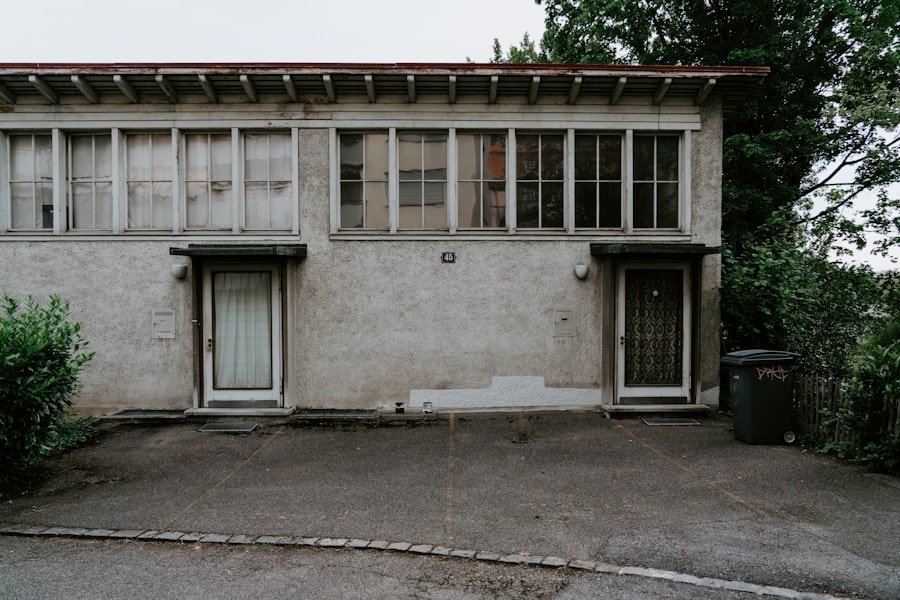
Understanding the legal rights and responsibilities of both tenants and landlords is essential in navigating tenancy disputes. Tenants have the right to a habitable living environment, which includes access to essential services such as heat, water, and electricity. They are also entitled to privacy; landlords must provide reasonable notice before entering the rental property.
On the other hand, tenants are responsible for paying rent on time and adhering to the terms outlined in their lease agreements. Failure to meet these obligations can result in eviction or other legal consequences. Landlords also have specific rights and responsibilities that must be upheld.
They have the right to collect rent and enforce lease terms but must do so within the bounds of local laws. For example, many jurisdictions require landlords to follow specific procedures when evicting a tenant, including providing written notice and allowing a certain period for the tenant to respond. Additionally, landlords are responsible for maintaining the property in good condition and addressing any repair requests promptly.
Understanding these rights and responsibilities can help both parties avoid misunderstandings and foster a more harmonious rental relationship.
Eviction and Termination of Tenancy
Eviction is one of the most severe outcomes of a tenancy dispute and involves the legal process through which a landlord seeks to remove a tenant from their rental property. The reasons for eviction can vary widely, from non-payment of rent to lease violations or property damage. However, eviction is not an instantaneous process; landlords must adhere to specific legal procedures that vary by jurisdiction.
Typically, this involves providing written notice to the tenant outlining the reasons for eviction and allowing them an opportunity to rectify the situation. Termination of tenancy can occur for various reasons beyond eviction. A lease may come to an end naturally at its expiration date, or either party may choose to terminate it early under certain conditions specified in the lease agreement.
For instance, if a tenant has consistently violated lease terms or if a landlord fails to maintain the property adequately, either party may have grounds for termination. Understanding the nuances of eviction and termination processes is crucial for both landlords and tenants to ensure compliance with local laws and avoid unnecessary legal complications.
Small Claims Court for Tenancy Disputes
| Resolution Method | Description | Typical Duration | Common Outcomes | Legal Basis |
|---|---|---|---|---|
| Negotiation | Direct discussion between tenant and landlord to reach a mutual agreement. | Days to weeks | Settlement, rent adjustment, or agreement on repairs | Contract law principles |
| Mediation | Involves a neutral third party to facilitate a voluntary agreement. | 1 to 3 sessions | Mutually agreed resolution without court involvement | Alternative Dispute Resolution (ADR) frameworks |
| Arbitration | Binding decision made by an arbitrator after hearing both parties. | Weeks to months | Legally binding award enforceable by courts | Arbitration laws and tenancy agreements |
| Tribunal Hearing | Formal hearing before a tenancy or housing tribunal. | 1 day to several weeks | Order for eviction, rent repayment, or repairs | Housing and tenancy legislation |
| Court Litigation | Formal legal process in civil courts for unresolved disputes. | Months to over a year | Judgment enforcing rights, eviction, damages | Property and contract law, local tenancy acts |
Small claims court provides an accessible avenue for resolving tenancy disputes without the need for extensive legal representation. This court is designed to handle cases involving relatively small amounts of money—typically ranging from a few hundred to several thousand dollars—making it an ideal option for disputes over security deposits or unpaid rent. The process is generally more straightforward than traditional court proceedings, allowing individuals to present their cases without needing an attorney.
In small claims court, both landlords and tenants have the opportunity to present evidence and witness testimony to support their claims. For example, a tenant seeking the return of their security deposit may present photographs of the rental unit’s condition upon move-out alongside any correspondence with the landlord regarding repairs or cleaning requirements. Similarly, a landlord may provide documentation of unpaid rent or lease violations.
The judge will then make a ruling based on the evidence presented, providing a legally binding resolution that both parties must adhere to.
Rent Control Laws and Regulations

Rent control laws are designed to protect tenants from excessive rent increases while ensuring that landlords can maintain their properties financially. These regulations vary significantly by location; some cities have strict rent control measures in place, while others have none at all. In areas with rent control, landlords are typically limited in how much they can increase rent each year, often tied to inflation rates or other economic indicators.
This helps create stability in housing costs for tenants but can also pose challenges for landlords who may struggle with rising maintenance costs. Understanding local rent control laws is crucial for both tenants and landlords. Tenants should be aware of their rights regarding rent increases and any protections against eviction due to non-payment resulting from sudden rent hikes.
Conversely, landlords must navigate these regulations carefully to ensure compliance while managing their properties effectively. Failure to adhere to rent control laws can result in significant penalties or legal action, making it essential for both parties to stay informed about current regulations in their area.
Arbitration as an Alternative to Litigation
Arbitration offers another alternative dispute resolution method that can be particularly useful in tenancy disputes. Unlike mediation, where a neutral third party facilitates discussion between the parties involved, arbitration involves an arbitrator who makes a binding decision based on the evidence presented by both sides. This process can be faster than traditional litigation while still providing a formal resolution mechanism.
One significant advantage of arbitration is its confidentiality; unlike court proceedings that are typically public records, arbitration hearings are private. This aspect can be appealing for both landlords and tenants who wish to keep their disputes out of the public eye. Additionally, arbitration can be less formal than court proceedings, allowing parties to present their cases in a more relaxed environment while still adhering to established rules of evidence and procedure.
Seeking Legal Counsel for Tenancy Disputes
When navigating complex tenancy disputes, seeking legal counsel can be invaluable for both landlords and tenants. An attorney specializing in landlord-tenant law can provide guidance on rights and responsibilities while helping individuals understand their options for resolution. Legal counsel can assist in drafting lease agreements that clearly outline terms and conditions, reducing the likelihood of future disputes.
In cases where disputes escalate beyond mediation or arbitration, having legal representation becomes even more critical. An attorney can advocate on behalf of their client in court proceedings or negotiations with opposing parties. For instance, if a tenant faces eviction proceedings, an attorney can help them understand their defenses and represent them during hearings.
Similarly, landlords facing claims from tenants may benefit from legal advice on how best to protect their interests while complying with applicable laws. In summary, tenancy disputes are multifaceted issues that require careful consideration of legal rights and responsibilities on both sides. Mediation and arbitration offer alternative resolution methods that can help preserve relationships while providing effective outcomes.
Understanding local laws regarding eviction, rent control, and small claims court processes is essential for navigating these challenges successfully. Seeking legal counsel can further empower individuals involved in tenancy disputes by ensuring they are well-informed and adequately represented throughout the process.
FAQs
What is a tenancy dispute?
A tenancy dispute is a disagreement between a landlord and a tenant regarding the terms, conditions, or obligations of a rental agreement. Common issues include rent payments, property maintenance, eviction, and deposit returns.
How are tenancy disputes typically resolved?
Tenancy disputes are usually resolved through negotiation, mediation, or legal proceedings. Many disputes are settled amicably through direct communication or with the help of a neutral third party before escalating to court.
What legal options are available for resolving tenancy disputes?
Legal options include filing a claim in a small claims court, seeking an order from a housing tribunal or rent board, or pursuing eviction proceedings. The specific process depends on local laws and the nature of the dispute.
Can tenants and landlords use mediation to resolve disputes?
Yes, mediation is a common and effective method for resolving tenancy disputes. A neutral mediator helps both parties reach a mutually acceptable agreement without going to court.
What role do tenancy agreements play in dispute resolution?
Tenancy agreements serve as the primary legal document outlining the rights and responsibilities of both parties. They are crucial in resolving disputes as they provide evidence of agreed terms and conditions.
Is legal advice recommended in tenancy disputes?
Yes, seeking legal advice can help both landlords and tenants understand their rights and obligations, and guide them through the dispute resolution process effectively.
What happens if a tenancy dispute goes to court?
If a dispute goes to court, a judge will review the evidence and make a legally binding decision. This may involve ordering payment, eviction, or other remedies based on the case details and applicable laws.
Are there time limits for resolving tenancy disputes?
Yes, there are often statutory time limits within which a party must file a claim or respond to a dispute. These timeframes vary by jurisdiction and type of dispute.
Can tenancy disputes involve issues beyond rent and eviction?
Yes, disputes can also involve property damage, privacy violations, lease renewals, and other contractual or legal issues related to the tenancy.
Where can tenants and landlords seek help for tenancy disputes?
Help can be sought from local housing authorities, tenant advocacy groups, legal aid organizations, and specialized tribunals or courts that handle landlord-tenant matters.