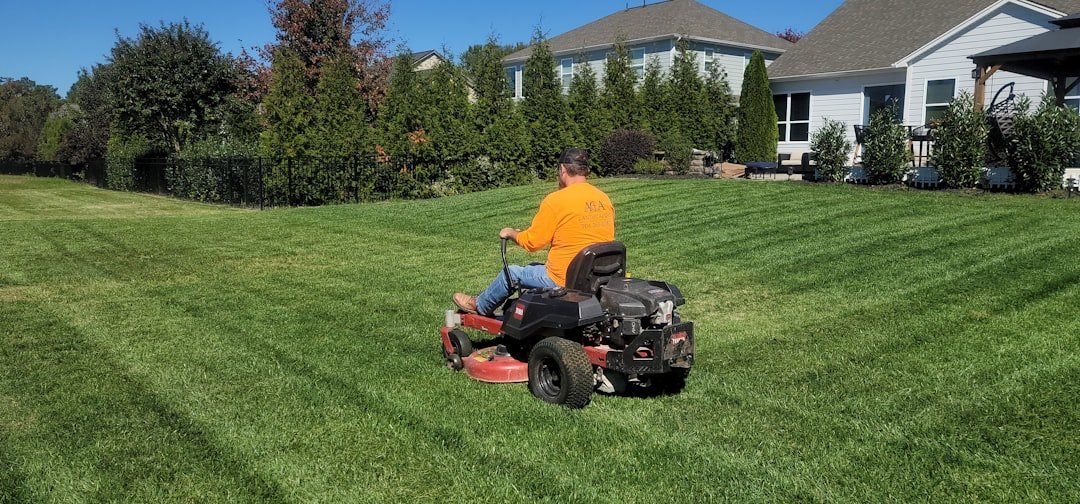
Regular maintenance is the cornerstone of a thriving garden and lawn. Just as a car requires routine check-ups to ensure optimal performance, gardens need consistent care to flourish. Neglecting maintenance can lead to a cascade of issues, including pest infestations, disease outbreaks, and the proliferation of weeds.
A well-maintained garden not only enhances the aesthetic appeal of a property but also contributes to the overall health of the ecosystem. Healthy plants can better withstand environmental stressors, such as drought or extreme temperatures, and are more resilient against pests and diseases. Moreover, regular maintenance fosters a deeper connection between the gardener and their green space.
Engaging in routine tasks such as weeding, watering, and pruning allows gardeners to observe changes in their plants and the surrounding environment. This hands-on approach cultivates an understanding of plant needs and growth patterns, which can lead to more informed decisions regarding plant care. Additionally, regular maintenance can prevent small problems from escalating into larger issues, saving time and resources in the long run.
Proper Watering Techniques
Watering is one of the most critical aspects of garden maintenance, yet it is often misunderstood. The key to effective watering lies in understanding the specific needs of different plants and the conditions of the soil. Overwatering can lead to root rot and other fungal diseases, while underwatering can cause stress and stunted growth.
A general rule of thumb is to water deeply but infrequently, allowing the soil to dry out slightly between watering sessions. This encourages roots to grow deeper into the soil in search of moisture, resulting in stronger, more resilient plants. In addition to timing, the method of watering is equally important.
Drip irrigation systems are an excellent choice for delivering water directly to the root zone, minimizing evaporation and runoff. For those who prefer a more hands-on approach, using a soaker hose or watering can allows for targeted watering that can be adjusted based on plant needs. It’s also essential to consider the time of day when watering; early morning is often ideal as it allows plants to absorb moisture before the heat of the day causes evaporation.
By adopting proper watering techniques, gardeners can ensure their plants receive the hydration they need without risking over-saturation.
Soil Care and Fertilization
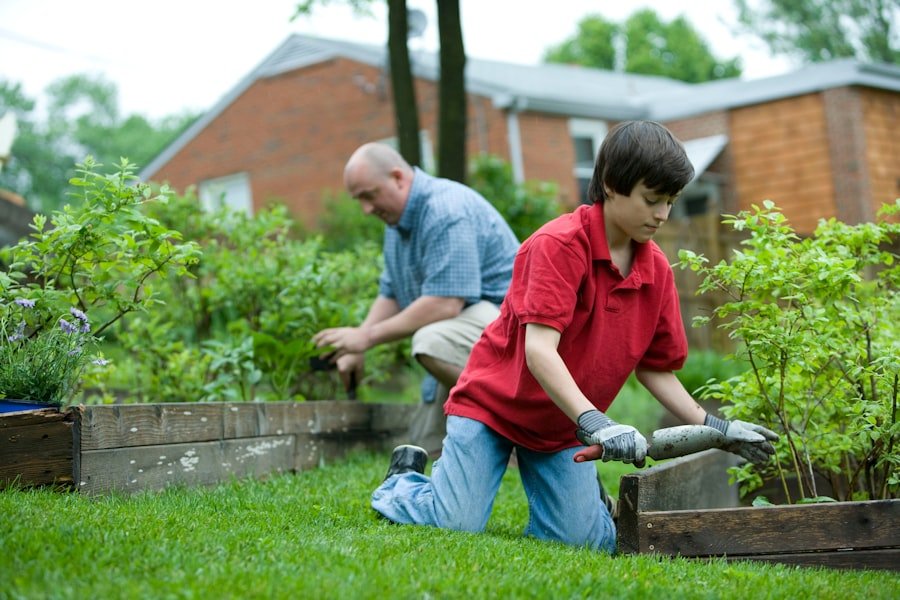
Soil is often referred to as the foundation of a garden, and for good reason. Healthy soil is rich in nutrients and organic matter, providing an ideal environment for plants to thrive. Regular soil testing can help gardeners understand the pH levels and nutrient content of their soil, allowing for tailored amendments that enhance fertility.
For instance, if a soil test reveals low nitrogen levels, incorporating compost or well-rotted manure can significantly improve nutrient availability. Additionally, mulching with organic materials not only conserves moisture but also enriches the soil as it breaks down over time. Fertilization is another critical component of soil care.
While many gardeners may rely on chemical fertilizers for quick results, organic options such as fish emulsion or seaweed extract can provide a more sustainable approach. These organic fertilizers release nutrients slowly, promoting long-term plant health without the risk of chemical buildup in the soil. Furthermore, incorporating cover crops during the off-season can improve soil structure and fertility by adding organic matter and preventing erosion.
By prioritizing soil care and thoughtful fertilization practices, gardeners can create a robust foundation for their plants.
Pest and Weed Control
Pest management is an essential aspect of maintaining a healthy garden. Integrated Pest Management (IPM) strategies emphasize prevention and monitoring rather than relying solely on chemical pesticides. This holistic approach includes practices such as crop rotation, companion planting, and encouraging beneficial insects like ladybugs and lacewings that prey on harmful pests.
For example, planting marigolds alongside vegetables can deter nematodes and aphids while attracting pollinators. Regularly inspecting plants for signs of pest activity allows gardeners to address issues before they escalate into infestations. Weed control is equally important in maintaining garden health.
Weeds compete with desirable plants for nutrients, water, and light, often leading to reduced yields in vegetable gardens or stunted growth in ornamental landscapes. Mulching is one effective method for suppressing weed growth; a layer of organic mulch not only blocks sunlight but also retains moisture in the soil. Hand-pulling weeds is another effective strategy, particularly when done regularly before they have a chance to set seed.
For larger infestations, targeted applications of organic herbicides or boiling water can provide effective control without harming surrounding plants.
Pruning and Trimming Techniques
| Tip | Description | Recommended Frequency | Tools/Materials Needed |
|---|---|---|---|
| Regular Watering | Ensure plants and lawn receive adequate water, preferably early morning or late evening to reduce evaporation. | 2-3 times per week (adjust based on weather) | Garden hose, sprinkler system, watering can |
| Weeding | Remove weeds to prevent competition for nutrients and maintain garden aesthetics. | Weekly | Hand trowel, weeding fork, gloves |
| Mowing Lawn | Keep grass at an optimal height to promote healthy growth and prevent pests. | Once a week during growing season | Lawn mower, grass catcher |
| Fertilizing | Apply nutrients to soil to support plant and lawn health. | Every 6-8 weeks during growing season | Fertilizer, spreader |
| Pruning | Trim dead or overgrown branches to encourage new growth and maintain shape. | Seasonally or as needed | Pruning shears, loppers |
| Mulching | Apply mulch to retain soil moisture, suppress weeds, and improve soil quality. | Once or twice a year | Mulch material (wood chips, straw), garden fork |
| Pest Control | Monitor and manage pests to prevent damage to plants and lawn. | As needed, weekly inspection recommended | Insecticidal soap, natural predators, gloves |
| Soil Testing | Check soil pH and nutrient levels to optimize plant growth. | Once a year | Soil test kit |
Pruning is a vital practice that promotes healthy growth and enhances the overall appearance of plants. By removing dead or diseased branches, gardeners can prevent the spread of disease and encourage new growth. Different plants have specific pruning requirements; for instance, flowering shrubs may benefit from pruning immediately after blooming to promote next season’s flowers.
Conversely, trees often require pruning during dormancy in late winter or early spring when they are less susceptible to stress. Trimming is another essential aspect of plant care that focuses on maintaining shape and size. Regular trimming helps prevent overgrowth that can lead to overcrowding and poor air circulation within plant canopies.
This practice is particularly important for hedges and topiaries, where maintaining a specific shape is desired. Gardeners should use sharp, clean tools to make precise cuts that minimize damage to the plant tissue. By mastering pruning and trimming techniques, gardeners can ensure their plants remain healthy while achieving their desired aesthetic.
Choosing the Right Plants for Your Garden
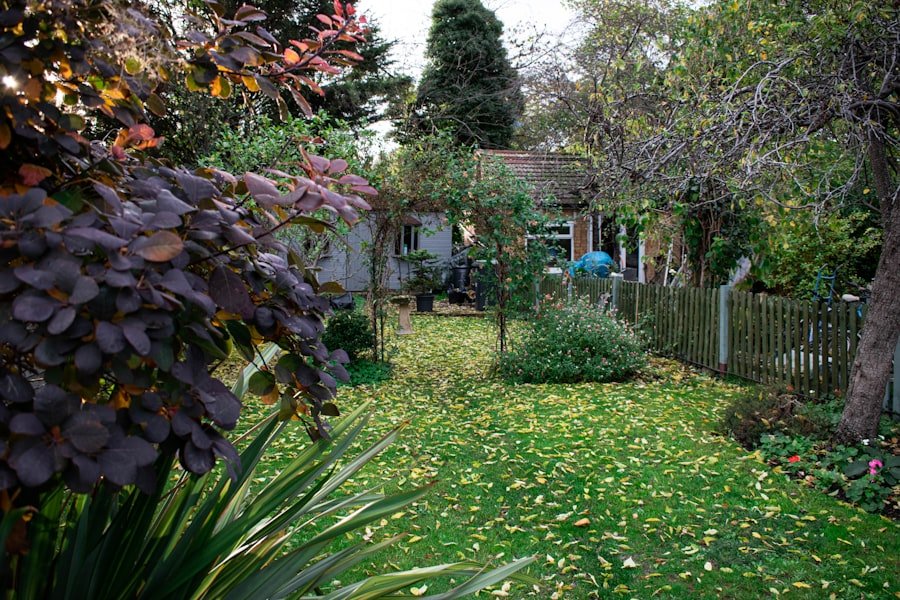
Selecting appropriate plants for a garden is crucial for long-term success. Factors such as climate, soil type, and sunlight exposure play significant roles in determining which plants will thrive in a given environment. For instance, native plants are often an excellent choice as they are adapted to local conditions and require less maintenance once established.
They also support local wildlife by providing food and habitat for pollinators and other beneficial organisms. In addition to considering environmental factors, gardeners should also think about their personal preferences and gardening goals. For example, if a gardener desires a low-maintenance landscape, opting for drought-tolerant perennials or ground covers can reduce the need for frequent watering and upkeep.
Conversely, those interested in growing vegetables should select varieties suited to their growing season and space constraints. By carefully choosing plants that align with both environmental conditions and personal preferences, gardeners can create a flourishing garden that requires less intervention.
Seasonal Maintenance Tips
Seasonal changes bring unique challenges and opportunities for garden maintenance. In spring, as temperatures rise and days lengthen, it’s essential to prepare the garden for new growth by cleaning up debris from winter storms and applying fresh mulch to suppress weeds. This is also an ideal time for planting new seeds or transplants while ensuring adequate moisture levels in the soil.
Summer maintenance focuses on watering strategies as temperatures peak. Regularly checking soil moisture levels becomes crucial during this time; using mulch can help retain moisture while reducing weed competition. Additionally, summer is an excellent time for monitoring pest populations and addressing any issues promptly before they escalate into larger problems.
As autumn approaches, gardeners should prepare their gardens for winter by cutting back perennials and cleaning up fallen leaves that may harbor pests or diseases. This is also an ideal time for planting spring-blooming bulbs or establishing new perennials that will benefit from winter’s cold stratification process. Winter maintenance may seem minimal but involves protecting sensitive plants from frost damage through mulching or covering with burlap.
It’s also an excellent time for planning next year’s garden layout or researching new plant varieties that could enhance the landscape.
Tools and Equipment for Garden and Lawn Maintenance
Having the right tools at hand is essential for efficient garden maintenance. Basic tools such as trowels, pruners, and hand rakes are indispensable for everyday tasks like planting, weeding, and pruning. Investing in high-quality tools not only makes gardening easier but also ensures longevity; stainless steel tools resist rusting while ergonomic handles reduce strain during prolonged use.
For larger tasks such as mowing or tilling, powered equipment like lawnmowers or rototillers can save significant time and effort. Electric or battery-powered options are increasingly popular due to their lower environmental impact compared to gas-powered models. Additionally, specialized tools like weeders or cultivators can help tackle specific challenges within the garden.
Maintaining tools is equally important; regular cleaning after use prevents rust buildup while sharpening blades ensures clean cuts that promote plant health. By equipping themselves with appropriate tools and maintaining them properly, gardeners can enhance their efficiency and effectiveness in maintaining their green spaces.
FAQs
How often should I water my garden and lawn?
Watering frequency depends on the climate, soil type, and plant species. Generally, lawns need about 1 to 1.5 inches of water per week, either from rainfall or irrigation. Gardens may require more frequent watering, especially during dry spells, but it’s best to water deeply and less often to encourage strong root growth.
What is the best time of day to water my garden and lawn?
The best time to water is early in the morning, between 6 a.m. and 10 a.m. This allows water to soak into the soil before the heat of the day, reducing evaporation. Watering in the evening can lead to prolonged moisture on leaves, increasing the risk of fungal diseases.
How can I prevent weeds in my garden and lawn?
Regularly removing weeds by hand or using appropriate herbicides helps control their spread. Applying mulch in garden beds suppresses weed growth by blocking sunlight. Maintaining a healthy, dense lawn through proper mowing, watering, and fertilizing also reduces weed invasion.
What mowing practices help maintain a healthy lawn?
Mow regularly to keep grass at the recommended height for the specific grass type, usually between 2.5 to 3.5 inches. Avoid cutting more than one-third of the grass blade length at a time to prevent stress. Keep mower blades sharp to ensure clean cuts and reduce disease risk.
How often should I fertilize my garden and lawn?
Fertilization frequency varies by plant type and soil conditions. Lawns typically benefit from fertilizing 2 to 4 times per year, especially during the growing season. Garden plants may require fertilization every 4 to 6 weeks. Conducting a soil test can help determine specific nutrient needs.
What are some tips for pest control in garden and lawn areas?
Monitor plants regularly for signs of pests and diseases. Use integrated pest management (IPM) techniques, including encouraging beneficial insects, handpicking pests, and applying organic or chemical controls as needed. Avoid overusing pesticides to prevent resistance and harm to beneficial organisms.
How can I improve soil health in my garden and lawn?
Incorporate organic matter such as compost or well-rotted manure to enhance soil structure and fertility. Aerate compacted soil to improve air and water penetration. Regularly test soil pH and nutrient levels to make informed amendments.
What are the benefits of mulching garden beds?
Mulching helps retain soil moisture, suppress weeds, regulate soil temperature, and add organic matter as it decomposes. It also improves the overall appearance of garden beds and reduces soil erosion.
How do I prepare my garden and lawn for seasonal changes?
In spring, clean up debris, aerate soil, and apply fertilizer to encourage growth. In fall, remove dead plant material, overseed lawns if needed, and apply mulch to protect roots from cold. Adjust watering schedules according to seasonal rainfall and temperature changes.
Why is regular maintenance important for garden and lawn areas?
Regular maintenance promotes healthy plant growth, prevents pest and disease problems, and enhances the aesthetic appeal of outdoor spaces. It also helps conserve water and nutrients, reducing the need for costly interventions.