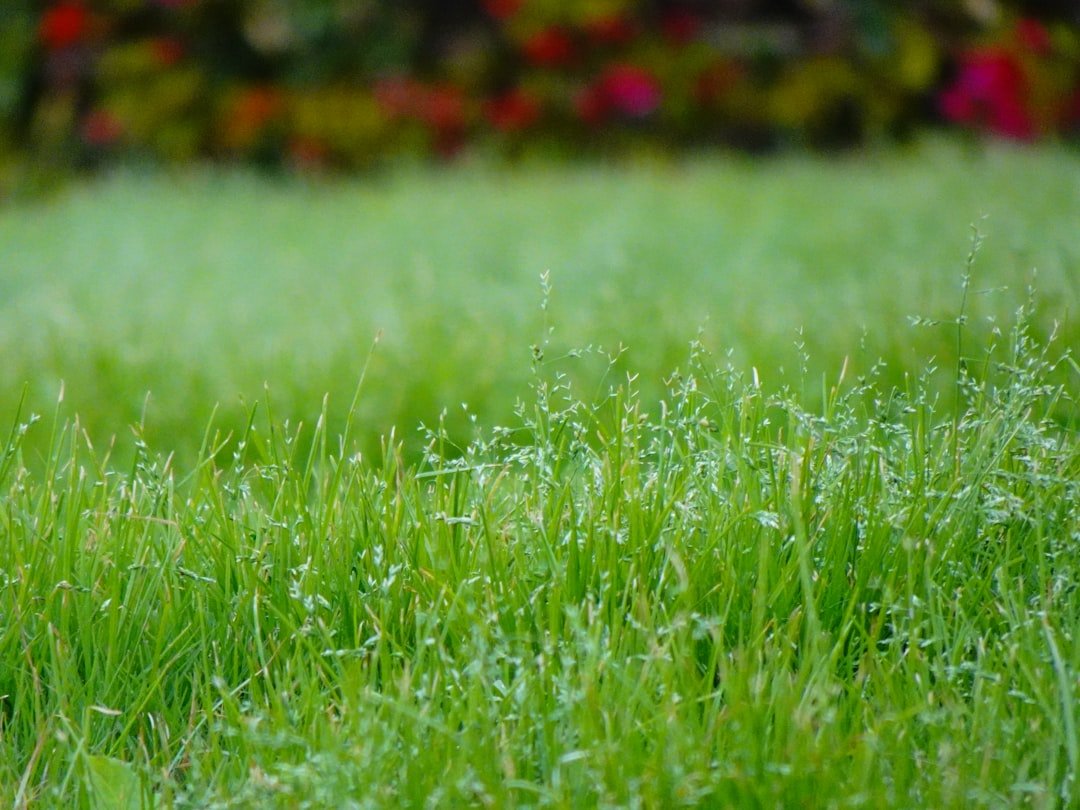
Soil preparation is a fundamental step in establishing a healthy lawn or garden. The process begins with a thorough analysis of the existing soil conditions. This often involves testing the soil pH and nutrient levels, which can be accomplished using a simple home testing kit or by sending samples to a local agricultural extension office.
Understanding the soil composition is crucial, as it informs the gardener about necessary amendments. For instance, if the soil is too acidic, lime can be added to raise the pH, while sulfur can be used to lower it. Additionally, the presence of essential nutrients such as nitrogen, phosphorus, and potassium must be assessed to determine if fertilizers are needed.
Once the soil has been tested and any necessary amendments have been made, the next step is to till or aerate the soil. Tilling breaks up compacted soil, allowing for better root penetration and water absorption. Aeration, on the other hand, involves perforating the soil with holes to improve air exchange and promote deeper root growth.
After tilling or aerating, incorporating organic matter such as compost or well-rotted manure can significantly enhance soil fertility. Organic matter not only provides essential nutrients but also improves soil structure, leading to better drainage and moisture retention. Following these steps ensures that the lawn or garden has a solid foundation for growth.
Fertilization plays a critical role in maintaining soil health and promoting vigorous plant growth. The choice of fertilizer—whether synthetic or organic—depends on the specific needs of the plants being cultivated. Synthetic fertilizers often provide immediate nutrient availability, while organic options release nutrients more slowly over time.
A balanced fertilizer with an N-P-K ratio (nitrogen-phosphorus-potassium) tailored to the specific plants can yield optimal results. For example, a high-nitrogen fertilizer is ideal for promoting lush green foliage in grass, while a higher phosphorus content supports root development in flowering plants. Timing is also essential when it comes to fertilization.
Applying fertilizers during the growing season, particularly in early spring and late summer, can maximize nutrient uptake by plants. However, over-fertilization can lead to nutrient runoff and environmental issues, so it’s important to follow recommended application rates. Additionally, using slow-release fertilizers can help mitigate this risk by providing a steady supply of nutrients over an extended period.
Regularly monitoring plant health and adjusting fertilization practices accordingly will ensure that the garden or lawn remains vibrant and productive.
Weed Control and Pest Management
Weed control is an ongoing challenge for gardeners and landscapers alike. Weeds compete with desirable plants for nutrients, water, and sunlight, often leading to reduced growth and yield. Effective weed management begins with prevention strategies such as mulching and proper lawn care practices.
Mulching not only suppresses weed growth by blocking sunlight but also helps retain soil moisture and adds organic matter as it decomposes. Additionally, maintaining a healthy lawn through proper mowing and fertilization can create a dense turf that outcompetes weeds for resources. When weeds do appear, various control methods can be employed.
Hand-pulling is an effective technique for small infestations, particularly for annual weeds that have not yet set seed. For larger areas or persistent perennial weeds, herbicides may be necessary. There are two main types of herbicides: pre-emergent and post-emergent.
Pre-emergent herbicides prevent weed seeds from germinating, making them ideal for early-season applications before weeds become established. Post-emergent herbicides target existing weeds but must be applied carefully to avoid harming desirable plants. Integrated weed management combines these methods with cultural practices to achieve long-term control.
Pest management is equally important in maintaining a healthy garden or lawn. Pests such as aphids, beetles, and caterpillars can cause significant damage if left unchecked. Integrated Pest Management (IPM) is a holistic approach that combines biological, cultural, mechanical, and chemical methods to control pest populations while minimizing harm to beneficial organisms and the environment.
For instance, introducing natural predators like ladybugs can help control aphid populations without resorting to chemical pesticides. Regular monitoring is essential for effective pest management. Gardeners should inspect plants frequently for signs of pest activity or damage.
Early detection allows for timely intervention before infestations escalate. In addition to biological controls, cultural practices such as crop rotation and companion planting can disrupt pest life cycles and reduce their impact on crops. When chemical controls are necessary, selecting targeted pesticides that are specific to the pest in question can minimize collateral damage to non-target species.
Proper Watering and Irrigation
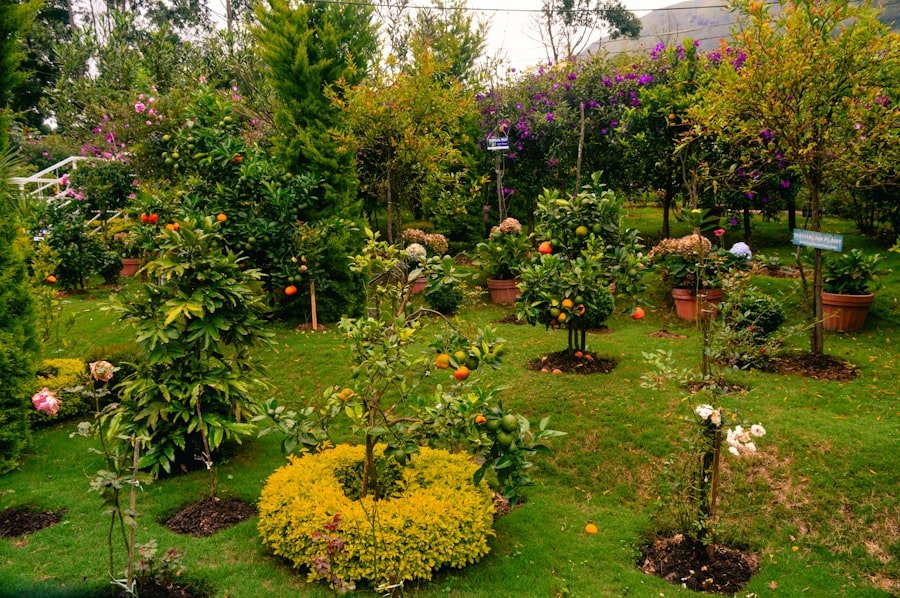
Watering is a critical aspect of plant care that directly influences growth and health. Understanding the specific water needs of different plants is essential for effective irrigation management. Factors such as plant type, soil composition, climate conditions, and seasonal variations all play a role in determining how much water is required.
For instance, drought-tolerant plants like succulents require significantly less water than lush annuals or vegetables that thrive in moist conditions. Establishing a consistent watering schedule is vital for maintaining healthy plants. Early morning is often considered the best time to water because it allows moisture to soak into the soil before the heat of the day causes evaporation.
Watering deeply but infrequently encourages deep root growth, making plants more resilient during dry spells. A general rule of thumb is to provide about one inch of water per week, either through rainfall or irrigation. However, this may vary based on specific plant needs and environmental conditions.
Irrigation systems can greatly enhance watering efficiency and effectiveness. Drip irrigation systems deliver water directly to the root zone of plants, minimizing waste and reducing evaporation losses. This method is particularly beneficial for vegetable gardens and flower beds where precise watering is crucial for optimal growth.
Sprinkler systems are another option but should be used judiciously to avoid overwatering and fungal diseases caused by excess moisture on foliage. Rainwater harvesting is an eco-friendly practice that can supplement irrigation needs while conserving resources. Collecting rainwater from rooftops into barrels or cisterns provides a sustainable source of water for gardens during dry periods.
Additionally, using mulch around plants helps retain soil moisture by reducing evaporation rates and regulating soil temperature. By implementing these practices, gardeners can ensure their plants receive adequate hydration while promoting sustainable water use.
Lawn Mowing and Edging
Lawn mowing is more than just a routine chore; it plays a significant role in maintaining a healthy lawn ecosystem. The height at which grass is mowed affects its overall health and appearance. Different grass species have varying optimal mowing heights; for example, cool-season grasses like Kentucky bluegrass thrive when mowed at 2.5 to 4 inches, while warm-season grasses like Bermuda grass prefer heights between 1 to 3 inches.
Mowing too short can stress the grass, making it more susceptible to pests and diseases. Regular mowing encourages lateral growth and thickens the turf, which helps suppress weeds naturally by shading them out. It’s advisable to follow the one-third rule: never remove more than one-third of the grass blade length in a single mowing session.
This practice promotes healthier grass by allowing it to photosynthesize effectively while maintaining adequate root systems. Edging complements mowing by creating clean lines along sidewalks, driveways, and flower beds. This not only enhances the aesthetic appeal of the landscape but also prevents grass from encroaching into unwanted areas.
Various edging tools are available, from manual edgers to powered string trimmers, each offering different levels of precision and ease of use. Regular edging helps maintain defined boundaries that contribute to an organized appearance in any garden or lawn. In addition to aesthetics, proper mowing techniques contribute to lawn health by promoting even growth patterns and reducing thatch buildup—a layer of dead grass clippings that can suffocate the lawn if left unchecked.
Grass clippings can be left on the lawn as natural mulch; they decompose quickly and return valuable nutrients back into the soil. However, if clippings are excessively long or wet, they should be collected to prevent matting and potential disease issues.
Pruning and Trimming
| Tip | Description | Recommended Frequency | Tools/Materials Needed |
|---|---|---|---|
| Regular Watering | Ensure plants and lawn receive adequate water, preferably early morning or late evening to reduce evaporation. | 2-3 times per week | Garden hose, sprinkler system |
| Weeding | Remove weeds to prevent competition for nutrients and maintain garden aesthetics. | Weekly | Hand trowel, gloves, weed puller |
| Mowing Lawn | Keep grass at an optimal height to promote healthy growth and prevent pests. | Once a week during growing season | Lawn mower |
| Fertilizing | Apply nutrients to soil to support plant and lawn health. | Every 6-8 weeks | Fertilizer, spreader |
| Pruning | Trim dead or overgrown branches to encourage new growth and improve plant shape. | Seasonally or as needed | Pruning shears, loppers |
| Soil Aeration | Improve soil drainage and root growth by aerating compacted soil. | Once or twice a year | Aerator tool or spike shoes |
| Pest Control | Monitor and manage pests to prevent damage to plants and lawn. | Monthly or as needed | Insecticidal soap, natural predators, traps |
| Mulching | Apply mulch to retain moisture, suppress weeds, and improve soil quality. | Annually or biannually | Mulch material (wood chips, straw) |
Pruning is an essential practice for maintaining healthy trees and shrubs while encouraging optimal growth patterns. The timing of pruning varies depending on plant species; for instance, spring-flowering shrubs should be pruned immediately after blooming to avoid cutting off next year’s flowers. Conversely, summer-flowering varieties can be pruned in late winter or early spring before new growth begins.
The primary goals of pruning include removing dead or diseased wood, shaping plants for aesthetic appeal, and promoting air circulation within dense foliage to reduce disease risk. When pruning trees, it’s crucial to make clean cuts at appropriate angles to minimize damage and promote healing. Using sharp tools such as bypass pruners or loppers ensures clean cuts that reduce stress on the plant.
Trimming is often used interchangeably with pruning but typically refers to maintaining smaller plants or hedges at a desired size or shape rather than performing extensive cuts on larger trees or shrubs. Regular trimming helps maintain a neat appearance while encouraging bushier growth in flowering plants like boxwoods or azaleas. In addition to aesthetic benefits, proper pruning techniques can enhance fruit production in fruit-bearing trees by allowing more sunlight to reach developing fruit clusters while improving air circulation around branches.
This practice reduces humidity levels within the canopy—an environment conducive to fungal diseases—thereby promoting healthier fruit development.
Mulching and Composting
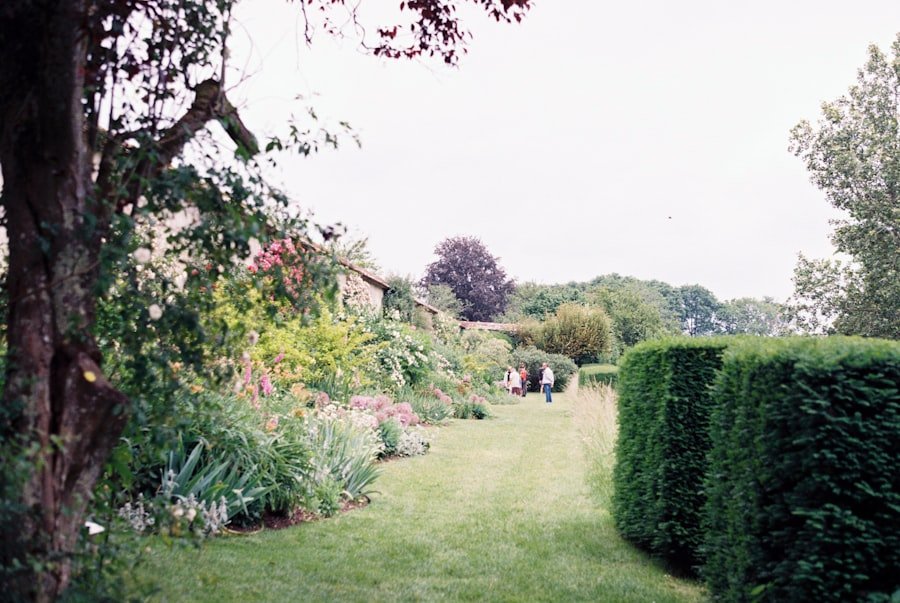
Mulching serves multiple purposes in gardening and landscaping; it conserves moisture, suppresses weeds, regulates soil temperature, and adds organic matter as it breaks down over time. Organic mulches such as wood chips, straw, or shredded leaves not only provide these benefits but also improve soil structure as they decompose. Applying a layer of mulch around plants helps retain moisture during hot weather while preventing soil erosion during heavy rains.
The thickness of mulch application is crucial; typically, a layer of 2-4 inches is recommended for optimal effectiveness without suffocating plant roots or creating excessive moisture retention that could lead to rot. It’s important to keep mulch away from direct contact with plant stems or trunks to prevent decay and pest infestations. Composting complements mulching by recycling kitchen scraps and yard waste into nutrient-rich organic matter that enriches garden soils.
A well-balanced compost pile consists of green materials (nitrogen-rich) such as vegetable scraps and grass clippings combined with brown materials (carbon-rich) like dried leaves or cardboard. Maintaining proper moisture levels within the compost pile encourages microbial activity that breaks down organic matter into usable compost. Turning the compost pile regularly aerates it while speeding up decomposition; this process typically takes several months depending on environmental conditions and materials used.
Once fully decomposed into dark brown crumbly material with an earthy smell—often referred to as “black gold”—compost can be applied directly to garden beds or mixed into potting soils for container gardening. Using both mulch and compost together creates a synergistic effect that enhances soil health while promoting vigorous plant growth throughout the growing season.
Seasonal Maintenance
Seasonal maintenance is vital for ensuring that gardens and lawns remain healthy throughout the year. Each season presents unique challenges and opportunities for gardeners; therefore, understanding what tasks need attention during each period is essential for successful cultivation. In spring, as temperatures rise and daylight increases, it’s time to prepare gardens for planting by cleaning up debris left over from winter months—this includes removing dead leaves or branches that may harbor pests or diseases.
Spring is also an ideal time for fertilizing lawns with slow-release fertilizers that provide nutrients as grass begins its active growth phase. Summer maintenance focuses on watering practices due to increased evaporation rates during hotter months; regular monitoring of soil moisture levels becomes crucial at this time. Additionally, summer is often when pests become more active; therefore, vigilant monitoring for signs of infestation should be prioritized alongside routine mowing and trimming tasks.
As fall approaches, gardeners should prepare their landscapes for winter dormancy by performing tasks such as mulching around perennials to protect roots from freezing temperatures while also suppressing weeds during colder months ahead. Fall is also an excellent time for planting bulbs that will bloom in spring; this allows gardeners to enjoy vibrant colors early in the growing season. Winter maintenance may seem minimal compared to other seasons; however, protecting delicate plants from harsh weather conditions remains important during this time frame—covering tender perennials with burlap or frost cloth can shield them from frost damage while ensuring they emerge healthy come springtime.
Equipment Maintenance and Storage
Proper maintenance of gardening equipment ensures longevity while enhancing performance during critical tasks throughout the growing season. Regular cleaning after each use prevents dirt buildup that could lead to rusting or corrosion over time; this applies particularly to tools like shovels, pruners, and hoes which should be wiped down before storage. Sharpening blades on tools such as lawnmowers or pruners enhances cutting efficiency while reducing strain on both equipment operators and plants alike—dull blades tear rather than cut cleanly through stems leading potentially harmful damage over time.
Seasonal storage practices are equally important; tools should be stored in dry locations away from moisture exposure which could lead them towards deterioration over time—hanging tools on pegboards keeps them organized while preventing accidental damage during retrieval processes later on. For larger equipment like lawnmowers or tillers—performing routine oil changes along with checking air filters ensures optimal performance when needed most during peak growing seasons ahead—this proactive approach minimizes downtime due unexpected mechanical failures when they’re needed most. By implementing these maintenance strategies consistently throughout each season—gardeners can ensure their equipment remains reliable while maximizing productivity within their landscapes year-round!
FAQs
How often should I water my garden and lawn?
Watering frequency depends on the climate, soil type, and plant species. Generally, lawns need about 1 to 1.5 inches of water per week, either from rainfall or irrigation. Gardens may require more frequent watering, especially during dry spells. Early morning is the best time to water to reduce evaporation.
What is the best way to mow my lawn?
Mow your lawn regularly, keeping the grass at the recommended height for its type—usually between 2.5 to 3.5 inches. Avoid cutting more than one-third of the grass blade length at a time to prevent stress. Keep mower blades sharp for a clean cut.
How can I prevent weeds in my garden and lawn?
Prevent weeds by maintaining healthy soil and dense plant growth, which reduces space for weeds to establish. Use mulch in garden beds to suppress weed growth. Regularly inspect and remove weeds by hand or with appropriate herbicides.
When should I fertilize my garden and lawn?
Fertilize lawns and gardens during their active growing seasons, typically spring and fall for cool-season grasses and late spring through summer for warm-season grasses. Use a balanced fertilizer suited to your soil’s nutrient needs, which can be determined by a soil test.
How do I maintain healthy soil for my garden and lawn?
Maintain healthy soil by adding organic matter such as compost, ensuring proper drainage, and avoiding soil compaction. Regularly test soil pH and nutrient levels to adjust amendments accordingly.
What are some tips for pest control in garden and lawn areas?
Encourage beneficial insects, use pest-resistant plant varieties, and practice crop rotation in gardens. Apply pesticides only when necessary and follow label instructions carefully. Maintaining plant health also reduces susceptibility to pests.
How can I improve the appearance of my lawn and garden?
Regular maintenance such as mowing, watering, fertilizing, pruning, and removing debris improves appearance. Adding mulch, planting colorful flowers, and edging garden beds can enhance visual appeal.
Is aeration important for lawn health?
Yes, aeration helps reduce soil compaction, improves water and nutrient absorption, and promotes root growth. It is typically done once or twice a year, especially in high-traffic areas.
What tools are essential for maintaining garden and lawn areas?
Essential tools include a lawn mower, garden hose or irrigation system, pruning shears, rake, spade or shovel, garden fork, and gloves. Having the right tools makes maintenance tasks easier and more effective.
How can I prepare my garden and lawn for seasonal changes?
Adjust watering and fertilizing schedules according to the season. In fall, clean up leaves and debris, aerate the lawn, and apply appropriate fertilizers. In spring, remove winter mulch, prune dead growth, and start planting. Protect plants from frost as needed.