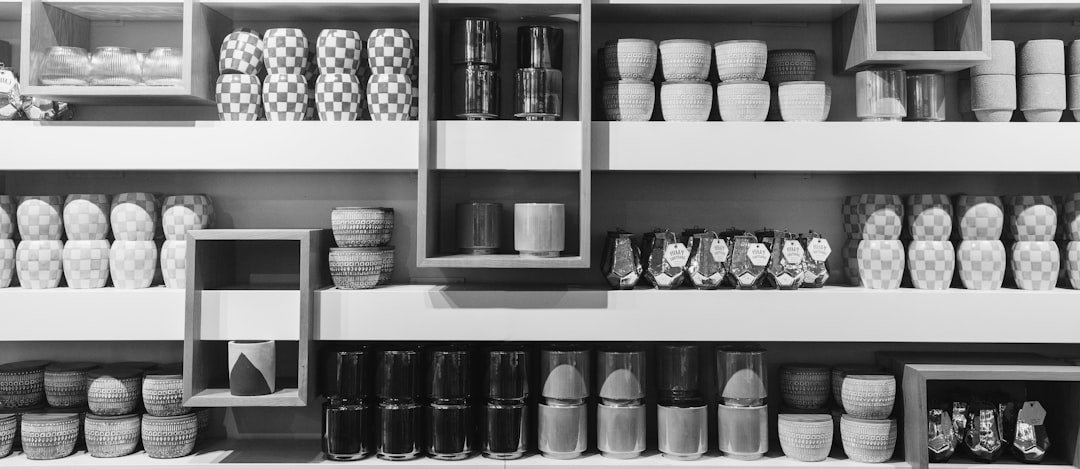
In interior design, particularly for kitchens and living spaces, choosing between open shelving and closed cabinets significantly impacts both functionality and aesthetics. Open shelving eliminates doors and barriers, providing easy access to items while incorporating them into the decor. This approach creates a sense of openness and can make spaces appear larger and more welcoming.
Closed cabinets, featuring doors that hide contents, offer a cleaner appearance and help maintain tidiness by concealing potential clutter. The selection between these storage options depends on personal preferences, lifestyle requirements, and design goals. Open shelving suits those who wish to display dishware, cookbooks, or decorative items, creating a personalized aesthetic.
Closed cabinets appeal to individuals who value organization and cleanliness, allowing items to remain accessible yet hidden from view. Understanding the characteristics of each option is crucial for making a decision that balances practical needs with design preferences.
Pros and cons of open shelving
Open shelving comes with a unique set of advantages that can enhance both functionality and visual appeal in a space. One of the most significant benefits is accessibility; items stored on open shelves are readily available, making it easy to grab what you need without rummaging through cabinets. This can be particularly advantageous in busy kitchens where efficiency is key.
Additionally, open shelving allows for creative expression, as homeowners can curate their collections of dishes, glassware, or decorative items in a way that adds personality to the room. The ability to showcase these items can transform everyday objects into artful displays, contributing to the overall ambiance of the space. However, open shelving is not without its drawbacks.
One major concern is dust accumulation; without doors to protect items, dishes and other stored goods may require more frequent cleaning. This can be particularly challenging in kitchens where cooking activities generate grease and splatter. Furthermore, open shelves can create a sense of visual clutter if not organized properly.
Homeowners must be diligent about maintaining an orderly appearance, which may not be feasible for everyone. Additionally, open shelving may not provide adequate storage for all items, especially those that are less visually appealing or used infrequently. This limitation can lead to a compromise between aesthetics and practicality.
Pros and cons of closed cabinets

Closed cabinets offer a range of benefits that cater to those who prioritize organization and a clean aesthetic. One of the primary advantages is the ability to conceal clutter; with doors that can be closed, homeowners can maintain a tidy appearance in their kitchens or living areas without the need for constant organization. This feature is particularly beneficial for families or individuals with busy lifestyles who may not have the time to curate their displays regularly.
Closed cabinets also provide protection from dust and grease, ensuring that items remain clean and ready for use without requiring frequent maintenance. Despite these advantages, closed cabinets come with their own set of challenges. One notable downside is accessibility; items stored behind closed doors may require more effort to retrieve, especially if they are located on higher shelves or in deep cabinets.
This can lead to frustration when trying to quickly access frequently used items. Additionally, closed cabinets can create a more enclosed feeling in a space, potentially making it feel smaller or less inviting compared to open shelving options. The lack of visibility into the contents can also lead to forgotten items or disorganization if not managed properly.
Homeowners may find themselves needing to open multiple doors to locate specific items, which can detract from the overall efficiency of the kitchen or storage area.
Design and aesthetic considerations for open shelving
When it comes to design and aesthetics, open shelving offers a unique opportunity to create visually striking displays that enhance the overall decor of a space. The choice of materials for shelves—whether wood, metal, or glass—can significantly impact the look and feel of the room. For instance, rustic wooden shelves can evoke a warm, farmhouse vibe, while sleek metal shelves may contribute to a modern industrial aesthetic.
The arrangement of items on these shelves also plays a crucial role; thoughtful placement of dishes, plants, or decorative objects can create a harmonious balance that draws the eye. Color coordination is another important aspect of designing with open shelving. Homeowners can choose to display items that complement the color palette of the room or create contrast for visual interest.
For example, white dishes against dark wood shelves can create a striking effect, while colorful ceramics can add vibrancy to an otherwise neutral space. Lighting also plays a vital role in showcasing open shelves; strategically placed lighting can highlight specific items and create an inviting atmosphere. However, it’s essential to strike a balance between showcasing personal style and maintaining functionality; overcrowding shelves with too many items can lead to visual chaos rather than an aesthetically pleasing display.
Design and aesthetic considerations for closed cabinets
| Feature | Open Shelving | Closed Cabinets |
|---|---|---|
| Accessibility | Easy and quick access to items | Items are hidden behind doors, requiring opening |
| Visibility | Items are fully visible, promoting display | Items are concealed, creating a cleaner look |
| Dust and Maintenance | More prone to dust accumulation, requires frequent cleaning | Protects contents from dust, less frequent cleaning needed |
| Storage Capacity | Typically less storage capacity, limited by shelf size | Usually offers more storage space with adjustable shelves |
| Cost | Generally less expensive due to simpler design | Often more costly due to doors, hardware, and construction |
| Design Style | Creates an open, airy, and casual look | Provides a more traditional, formal, and polished appearance |
| Customization | Limited customization options | Highly customizable with various door styles and finishes |
| Safety | Items are exposed and can fall easily | Items are secured behind doors, reducing risk of falling |
Closed cabinets offer their own set of design possibilities that can enhance the overall aesthetic of a space while providing functional storage solutions. The style of cabinet doors—whether shaker-style, flat-panel, or glass-front—can significantly influence the room’s character. For instance, glass-front cabinets allow for some visibility into the contents while still providing a level of concealment, striking a balance between openness and organization.
On the other hand, solid cabinet doors can create a more streamlined look that emphasizes clean lines and simplicity. The finish and color of closed cabinets are also critical design considerations. A high-gloss finish can lend a contemporary feel, while matte finishes may evoke a more traditional or rustic vibe.
Additionally, hardware choices such as knobs and pulls can serve as decorative accents that tie together the overall design scheme. Homeowners may opt for sleek metal hardware for a modern touch or vintage-inspired knobs for a classic look. The arrangement of cabinets within the space should also be considered; strategically placed cabinetry can enhance flow and functionality while contributing to an overall cohesive design.
Practical considerations for open shelving
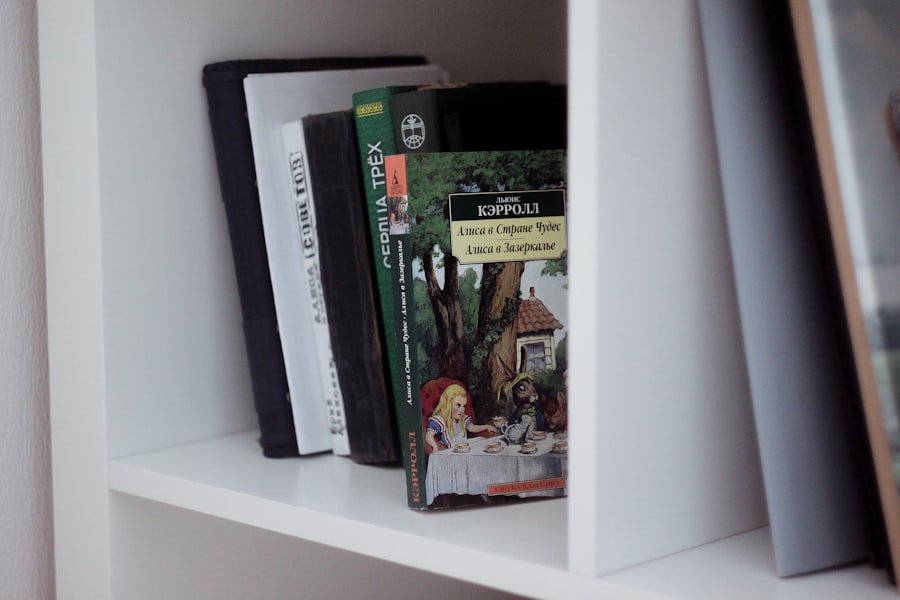
From a practical standpoint, open shelving requires careful planning and consideration to ensure it meets the needs of daily life. One key factor is the height at which shelves are installed; they should be easily accessible without requiring excessive stretching or climbing. This is particularly important in kitchens where frequently used items need to be within reach for convenience during meal preparation.
Additionally, homeowners should consider the depth of shelves; deeper shelves may accommodate larger items but could also lead to difficulty in accessing items at the back. Maintenance is another practical consideration when opting for open shelving. Regular cleaning is essential to prevent dust buildup and maintain an organized appearance.
Homeowners should be prepared to invest time in keeping their displays tidy and ensuring that items are arranged in an aesthetically pleasing manner. Furthermore, it’s important to consider what types of items will be stored on open shelves; fragile or rarely used items may not be ideal candidates for this storage solution due to their exposure to potential damage or dust accumulation.
Practical considerations for closed cabinets
Closed cabinets offer practical advantages that cater to various lifestyle needs while providing efficient storage solutions. One significant benefit is their ability to keep items organized and out of sight; this feature is particularly valuable in busy households where maintaining order is essential. Closed cabinets can accommodate a wide range of items—from dishes and cookware to pantry staples—without compromising on aesthetics or functionality.
Another practical consideration is customization; closed cabinets can be designed with specific features such as pull-out shelves, lazy Susans, or built-in dividers that enhance organization and accessibility. These features allow homeowners to maximize storage space effectively while ensuring that everything has its designated place. Additionally, closed cabinets often come with adjustable shelving options that enable users to modify the layout based on their changing needs over time.
However, it’s crucial to consider the layout of cabinetry within the space; poorly designed cabinet arrangements can hinder workflow and accessibility.
Choosing the right storage option for your space
Selecting between open shelving and closed cabinets ultimately depends on individual preferences, lifestyle requirements, and design aspirations. Each option presents its own set of advantages and challenges that must be weighed carefully against one another. Open shelving offers an opportunity for creative expression and easy access but requires diligent maintenance and organization efforts.
In contrast, closed cabinets provide a streamlined appearance and effective concealment of clutter but may sacrifice some accessibility in exchange for tidiness. Ultimately, understanding how each storage solution aligns with your daily routines and aesthetic goals will guide you toward making an informed decision that enhances both functionality and beauty in your space. Whether you lean towards the inviting charm of open shelving or the organized elegance of closed cabinets, your choice will play a significant role in shaping the character of your home.
FAQs
What are the main differences between open shelving and closed cabinets?
Open shelving is a storage option where shelves are exposed without doors, allowing easy access and visibility of items. Closed cabinets have doors that conceal the contents, providing a tidier appearance and protection from dust.
Which option is better for kitchen storage: open shelving or closed cabinets?
The choice depends on personal preference and kitchen style. Open shelving offers quick access and display opportunities but requires frequent organization. Closed cabinets keep items hidden and protected, ideal for a clutter-free look.
Are open shelves more difficult to maintain than closed cabinets?
Yes, open shelves typically require more frequent cleaning and organizing since items are exposed to dust and must be kept visually appealing. Closed cabinets protect contents from dust and reduce the need for constant tidying.
Can open shelving be used in small spaces?
Yes, open shelving can make small spaces feel larger and more open by eliminating bulky cabinet doors. However, careful organization is necessary to avoid a cluttered appearance.
Do closed cabinets offer better protection for stored items?
Yes, closed cabinets protect items from dust, moisture, and potential damage better than open shelving, making them suitable for storing fragile or less frequently used items.
Is it more expensive to install closed cabinets compared to open shelving?
Generally, closed cabinets are more expensive due to the cost of doors, hardware, and additional materials. Open shelving tends to be more budget-friendly and easier to install.
Can open shelving be used in bathrooms or other non-kitchen areas?
Yes, open shelving is versatile and can be used in bathrooms, living rooms, or offices to display decorative items or store frequently used essentials.
How does the style of open shelving differ from closed cabinets?
Open shelving often creates a casual, modern, or rustic look by showcasing items, while closed cabinets provide a more traditional, streamlined, and polished appearance by hiding contents.
Are there any safety concerns with open shelving?
Open shelves must be securely mounted to support the weight of stored items. Additionally, items on open shelves are more accessible to children and pets, which may require consideration for safety.
Can open shelving and closed cabinets be combined in one space?
Yes, many designs incorporate both open shelving and closed cabinets to balance display and storage needs, combining aesthetics with functionality.