When embarking on the journey of designing a room, the first step is to clearly define its purpose. Each room in a home serves a unique function, whether it be a living room meant for relaxation and socializing, a home office designed for productivity, or a bedroom that provides a sanctuary for rest. Understanding the primary function of the room not only guides the design process but also influences decisions regarding layout, color schemes, and furniture selection.
For instance, a living room intended for family gatherings may prioritize comfortable seating arrangements and open spaces, while a home office may require a more structured layout with designated areas for work and storage. Moreover, the purpose of the room can evolve over time, necessitating a flexible approach to design. A guest room may initially serve as a space for visitors but can later be transformed into a home gym or a craft room as needs change.
This adaptability is crucial in modern living, where multifunctional spaces are increasingly desirable. By considering both the current and potential future uses of the room, homeowners can create environments that are not only aesthetically pleasing but also practical and enduring.
Maximizing Space and Functionality
In any design project, especially in smaller homes or apartments, maximizing space and functionality is paramount. The layout of a room should facilitate movement and accessibility while ensuring that every square foot serves a purpose. One effective strategy is to adopt an open floor plan, which can create an illusion of more space and allow for better flow between different areas.
For example, combining the kitchen and dining area can foster a sense of togetherness while making it easier to entertain guests. Additionally, utilizing vertical space can significantly enhance functionality. Tall bookshelves, wall-mounted storage units, and hanging plants can draw the eye upward, making the room feel larger while providing essential storage solutions.
In smaller rooms, furniture that can be easily moved or reconfigured can also contribute to maximizing space. For instance, lightweight chairs that can be stacked or nested when not in use allow for greater flexibility in how the space is utilized, accommodating both intimate gatherings and larger events.
Choosing Versatile Furniture and Decor
Selecting versatile furniture and decor is essential for creating a room that meets various needs without compromising on style. Furniture pieces that serve multiple functions can be particularly beneficial in maximizing both space and utility. A sofa bed, for example, provides comfortable seating during the day and transforms into a sleeping area at night, making it ideal for small apartments or guest rooms.
Similarly, an ottoman with hidden storage can serve as both a footrest and a place to stow away blankets or magazines. In addition to multifunctional furniture, choosing decor that complements various styles can enhance the room’s versatility. Neutral color palettes allow for easy updates with seasonal decor changes or personal touches without requiring a complete overhaul.
Accessories such as throw pillows, artwork, and rugs can be swapped out to reflect different moods or occasions, ensuring that the space remains fresh and inviting. By investing in adaptable pieces, homeowners can create an environment that evolves alongside their tastes and lifestyle.
Incorporating Storage Solutions
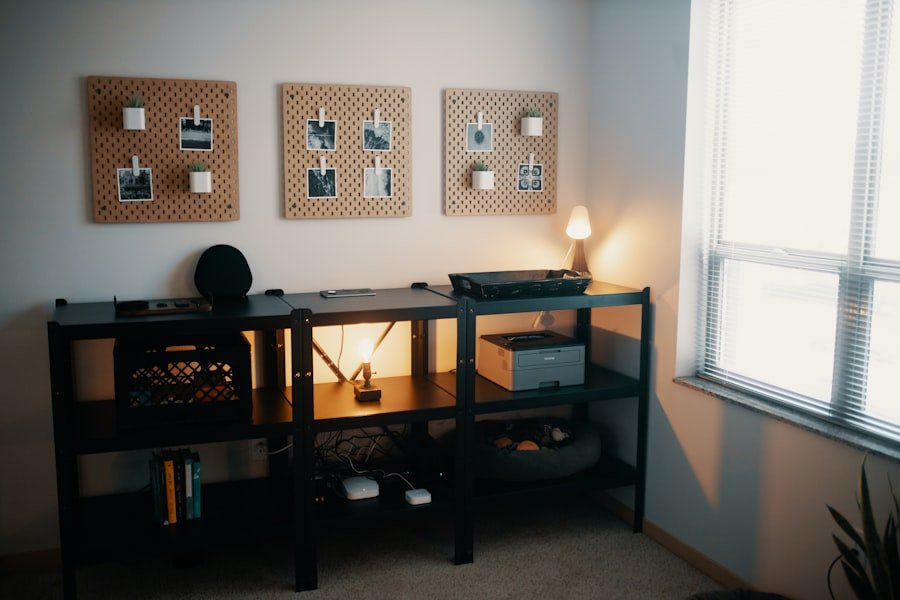
Effective storage solutions are vital in maintaining an organized and clutter-free environment. In rooms where space is at a premium, creative storage options can make all the difference. Built-in shelving units or custom cabinetry can provide ample storage while seamlessly integrating with the room’s design.
For example, a living room with built-in shelves can display books and decorative items while also housing electronics and other essentials out of sight. Another innovative approach to storage is to utilize furniture that incorporates hidden compartments. Beds with drawers underneath or coffee tables with lift-top surfaces can offer additional storage without sacrificing style or functionality.
Additionally, using decorative baskets or stylish boxes can help keep items organized while contributing to the overall aesthetic of the room. By thoughtfully incorporating storage solutions, homeowners can create spaces that are not only visually appealing but also practical and efficient.
Creating Zones for Different Activities
| Key Idea | Description | Benefits | Considerations |
|---|---|---|---|
| Flexible Furniture | Use foldable, stackable, or modular furniture that can be easily rearranged. | Maximizes space usage; adapts to different activities. | Choose durable and lightweight materials for ease of movement. |
| Neutral Color Palette | Apply neutral colors on walls and furniture to create a versatile backdrop. | Enhances adaptability for various functions and decor styles. | Incorporate accent colors through accessories for personality. |
| Multi-functional Storage | Install storage solutions that serve multiple purposes, like ottomans with storage. | Keeps the room organized and clutter-free. | Ensure storage is easily accessible and blends with room design. |
| Adjustable Lighting | Use dimmable lights and multiple light sources to suit different activities. | Creates ambiance and improves functionality. | Consider energy-efficient bulbs and smart controls. |
| Defined Zones | Designate specific areas for different uses, such as work, relaxation, or exercise. | Improves organization and usability. | Use rugs, furniture placement, or partitions to define zones. |
| Technology Integration | Incorporate outlets, charging stations, and smart devices. | Supports various activities like work, entertainment, and communication. | Plan wiring and device placement carefully to avoid clutter. |
| Sound Control | Use rugs, curtains, and acoustic panels to manage noise levels. | Enhances comfort and privacy for multiple uses. | Balance sound absorption with room aesthetics. |
In rooms designed for multiple activities, creating distinct zones can enhance both functionality and comfort. This approach is particularly useful in open-concept spaces where different functions need to coexist harmoniously. For instance, in a combined living and dining area, using area rugs to delineate each zone can visually separate the spaces while maintaining an overall cohesive look.
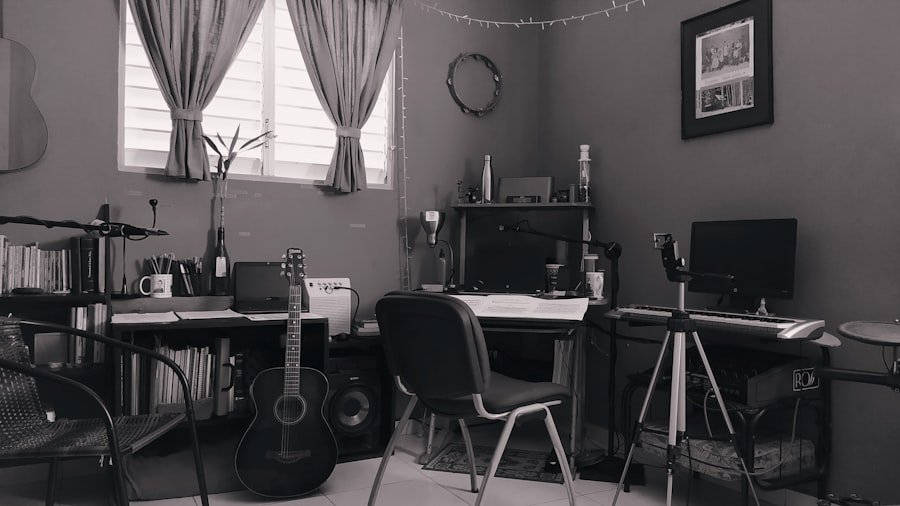
A plush rug under the dining table can define the eating area, while a softer rug in the seating area invites relaxation. Furniture arrangement also plays a crucial role in establishing zones. Positioning sofas and chairs to face each other creates an inviting conversation area, while placing a desk in a corner can carve out a dedicated workspace.
Additionally, incorporating dividers such as bookshelves or decorative screens can provide privacy without completely closing off areas from one another. By thoughtfully designing zones within a room, homeowners can ensure that each activity has its own space while still promoting interaction and flow throughout the environment.
Utilizing Technology and Smart Home Features
Incorporating technology into room design has become increasingly important as smart home features gain popularity. These innovations not only enhance convenience but also contribute to energy efficiency and security. For instance, smart lighting systems allow homeowners to control brightness levels and color temperatures through their smartphones or voice commands, enabling them to create the perfect ambiance for any occasion.
Dimming lights during movie nights or brightening them for work tasks can significantly impact the overall atmosphere of the room. Moreover, integrating smart thermostats can help maintain comfortable temperatures while reducing energy consumption. These devices learn user preferences over time and adjust heating or cooling accordingly, ensuring that rooms remain comfortable without excessive energy use.
Additionally, smart security systems equipped with cameras and motion sensors provide peace of mind by allowing homeowners to monitor their spaces remotely. By embracing technology in room design, homeowners can create environments that are not only stylish but also functional and secure.
Incorporating Flexibility and Adaptability
Flexibility is key in modern interior design, particularly as lifestyles continue to evolve. Rooms that can adapt to changing needs are increasingly sought after in today’s fast-paced world. One way to achieve this is through modular furniture that can be reconfigured based on current requirements.
For example, sectional sofas with movable pieces allow homeowners to rearrange seating arrangements for different occasions—whether hosting a large gathering or enjoying a quiet evening at home. Additionally, incorporating elements that can easily transition between uses enhances adaptability. A dining table that expands to accommodate more guests or collapses for everyday use exemplifies this principle well.
Similarly, foldable desks or wall-mounted workstations provide functional workspaces without permanently occupying valuable floor space when not in use. By prioritizing flexibility in design choices, homeowners can ensure their spaces remain relevant and functional as their needs change over time.
Personalizing the Space to Reflect Your Needs and Style
Ultimately, personalizing a room is what transforms it from a mere collection of furniture into a true reflection of individual style and needs. This process begins with selecting colors, textures, and patterns that resonate with personal tastes. Whether opting for bold hues that energize the space or soft pastels that evoke tranquility, color choices play a significant role in setting the mood of the room.
In addition to color selection, incorporating personal artifacts such as family photos, travel souvenirs, or handmade crafts adds character and warmth to the environment. These elements tell stories and create emotional connections within the space. Furthermore, choosing artwork that resonates personally—be it contemporary pieces or classic prints—can serve as focal points that inspire conversation and admiration.
Ultimately, personalizing a room involves curating an environment that not only meets functional needs but also nurtures emotional well-being. By thoughtfully considering how each element contributes to the overall atmosphere and purpose of the space, homeowners can create rooms that are not only beautiful but also deeply meaningful reflections of their lives and experiences.
FAQs
What is a multi-purpose room?
A multi-purpose room is a versatile space designed to serve various functions, such as a home office, guest room, playroom, or workout area, depending on the needs of the household.
Why should I consider creating a multi-purpose room?
Creating a multi-purpose room maximizes the use of available space, increases home functionality, and can adapt to changing needs over time, making it a cost-effective and practical solution.
What are some key design ideas for a multi-purpose room?
Key design ideas include using flexible furniture like foldable desks and sofa beds, incorporating ample storage solutions, choosing neutral colors, and ensuring good lighting to accommodate different activities.
How can I make a small room multi-functional?
To make a small room multi-functional, use space-saving furniture, vertical storage, multi-use items (e.g., a desk that converts to a dining table), and keep the layout open and clutter-free.
What types of furniture work best in a multi-purpose room?
Furniture that is modular, foldable, or has built-in storage works best. Examples include Murphy beds, extendable tables, storage ottomans, and wall-mounted desks.
How do I organize a multi-purpose room effectively?
Effective organization involves zoning the room for different activities, using storage bins and shelves to keep items tidy, and maintaining a clutter-free environment to easily switch between uses.
Can a multi-purpose room be used for both work and relaxation?
Yes, by creating distinct zones within the room, such as a dedicated workspace and a comfortable seating area, a multi-purpose room can accommodate both productivity and relaxation.
What lighting considerations are important for a multi-purpose room?
A combination of ambient, task, and accent lighting is important. Adjustable lighting options help create the right atmosphere for different activities, such as bright light for work and softer light for relaxation.
How can technology be integrated into a multi-purpose room?
Technology can be integrated through wireless charging stations, smart lighting, multi-functional entertainment systems, and cable management solutions to keep the space organized and functional.
Is it necessary to have a specific color scheme for a multi-purpose room?
While not necessary, using a neutral or cohesive color scheme helps create a calm and adaptable environment that can easily accommodate various functions and decor styles.