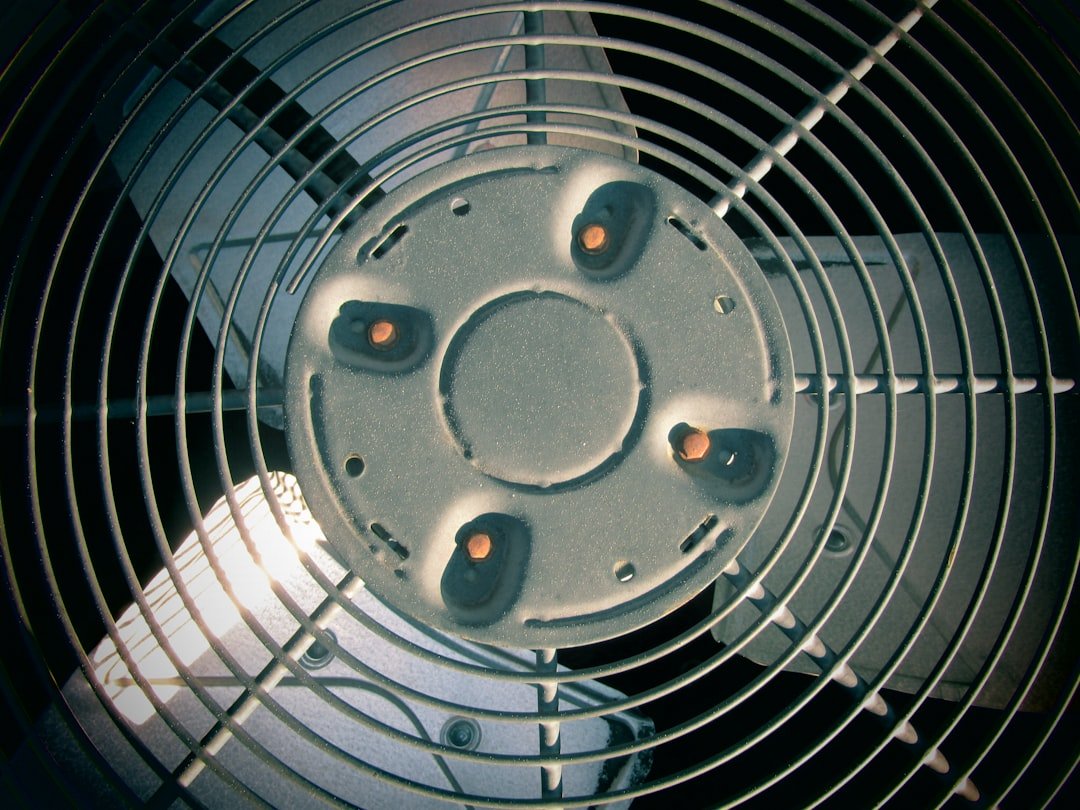
Proper sizing is essential for heating and cooling systems. An undersized HVAC system will struggle to maintain comfortable temperatures, increasing energy consumption and equipment wear. Conversely, an oversized system will short-cycle, causing inefficient operation and uneven temperature distribution.
HVAC professionals typically use Manual J calculations to determine appropriate system size, considering factors such as home square footage, insulation levels, window dimensions, and local climate conditions. This precise methodology ensures the system operates at optimal efficiency. Understanding occupant needs is equally important when sizing HVAC systems.
A multi-person household typically requires different capacity than a single-occupant home. Occupant lifestyle factors, including cooking habits and electronic device usage, also affect heating and cooling requirements. Consulting with a qualified HVAC contractor who can evaluate these variables is vital for achieving optimal comfort and efficiency.
A correctly sized system provides enhanced comfort while reducing energy costs and environmental impact.
Energy-Efficient Equipment
Investing in energy-efficient HVAC equipment is one of the most effective ways to reduce energy consumption and lower utility bills. Modern systems are designed with advanced technology that maximizes efficiency while minimizing environmental impact. For example, Energy Star-rated appliances meet strict energy efficiency guidelines set by the U.S.
Environmental Protection Agency. These systems often feature variable-speed motors, which adjust airflow based on demand, leading to significant energy savings compared to traditional single-speed units. Moreover, advancements in heat pump technology have revolutionized the way homes are heated and cooled.
Air-source heat pumps can extract heat from the outside air even in cold temperatures, providing efficient heating without relying solely on fossil fuels. Ground-source heat pumps, or geothermal systems, utilize the stable temperature of the earth to provide heating and cooling, offering even greater efficiency. By selecting energy-efficient equipment, homeowners not only benefit from lower energy costs but also contribute to a more sustainable future by reducing greenhouse gas emissions.
Proper Insulation and Sealing
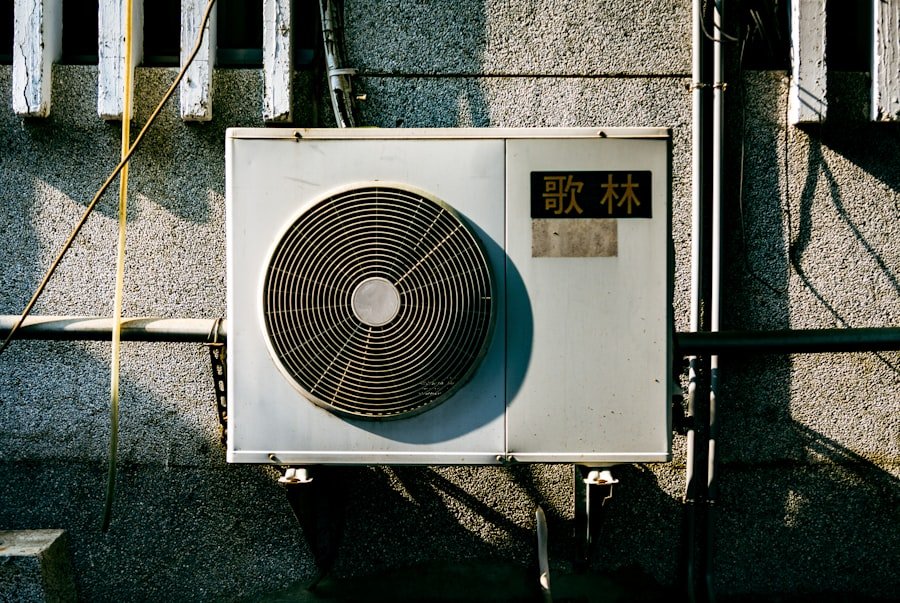
Proper insulation and sealing are critical components of an energy-efficient home. Insulation acts as a barrier against heat transfer, keeping warm air inside during winter months and preventing cool air from escaping in summer. Common insulation materials include fiberglass, foam board, and spray foam, each with varying R-values that indicate their effectiveness at resisting heat flow.
A well-insulated home can significantly reduce the workload on HVAC systems, leading to lower energy consumption and enhanced comfort. Sealing gaps and cracks around windows, doors, and other penetrations is equally important. Air leaks can account for a substantial amount of energy loss, making it difficult for HVAC systems to maintain desired temperatures.
Techniques such as caulking and weatherstripping can effectively seal these leaks. Additionally, using door sweeps and outlet gaskets can further enhance sealing efforts. By ensuring that a home is properly insulated and sealed, homeowners can create a more comfortable living environment while maximizing the efficiency of their heating and cooling systems.
Professional Installation
The installation of an HVAC system is a critical step that can significantly impact its performance and longevity. Professional installation ensures that all components are correctly sized, configured, and connected according to manufacturer specifications and local building codes. A poorly installed system may lead to inefficiencies, increased wear and tear, and even safety hazards such as gas leaks or electrical issues.
Therefore, it is essential to hire qualified technicians who have the necessary training and experience in HVAC installation. Moreover, professional installers can provide valuable insights during the installation process. They can recommend optimal locations for equipment placement to maximize airflow and efficiency while minimizing noise disturbances.
Additionally, they can help homeowners understand how to operate their new systems effectively, including programming thermostats and utilizing zoning features if available. Investing in professional installation not only enhances system performance but also provides peace of mind knowing that the work has been done correctly.
Regular Maintenance
| Tip | Description | Estimated Energy Savings | Additional Notes |
|---|---|---|---|
| Choose the Right Size Unit | Select a heating and cooling system that matches your home’s size to avoid energy waste. | Up to 20% energy savings | Oversized units cycle on and off frequently, reducing efficiency. |
| Install Programmable Thermostats | Use programmable thermostats to adjust temperatures automatically based on your schedule. | 10-15% reduction in heating and cooling costs | Smart thermostats can further optimize energy use. |
| Seal and Insulate Ductwork | Ensure ducts are properly sealed and insulated to prevent energy loss. | Up to 20% energy savings | Leaky ducts can reduce system efficiency significantly. |
| Regular Maintenance | Clean or replace filters and schedule annual system check-ups. | 5-10% improved efficiency | Maintains optimal system performance and longevity. |
| Use Energy Star Certified Equipment | Choose heating and cooling units with Energy Star certification for higher efficiency. | 15-30% energy savings compared to standard models | Look for the Energy Star label when purchasing. |
| Optimize Vent Placement | Place vents strategically to ensure even temperature distribution. | Varies based on home layout | Improves comfort and reduces system workload. |
| Use Ceiling Fans | Supplement HVAC with ceiling fans to circulate air efficiently. | Can reduce cooling costs by up to 10% | Fans should be turned off when rooms are unoccupied. |
Regular maintenance is vital for ensuring the longevity and efficiency of HVAC systems. Just like any other mechanical system, HVAC units require routine check-ups to operate at peak performance. Scheduled maintenance typically includes tasks such as cleaning or replacing air filters, inspecting ductwork for leaks or blockages, checking refrigerant levels, and cleaning coils.
These tasks help prevent breakdowns and ensure that the system runs smoothly throughout its lifespan. In addition to preventing unexpected failures, regular maintenance can lead to significant cost savings over time. Systems that are well-maintained operate more efficiently, which translates into lower energy bills.
Furthermore, many manufacturers require proof of regular maintenance to uphold warranty coverage; neglecting this aspect could void warranties and lead to costly repairs down the line. Homeowners who prioritize regular maintenance not only enjoy improved comfort but also protect their investment in their HVAC systems.
Thermostat Programming
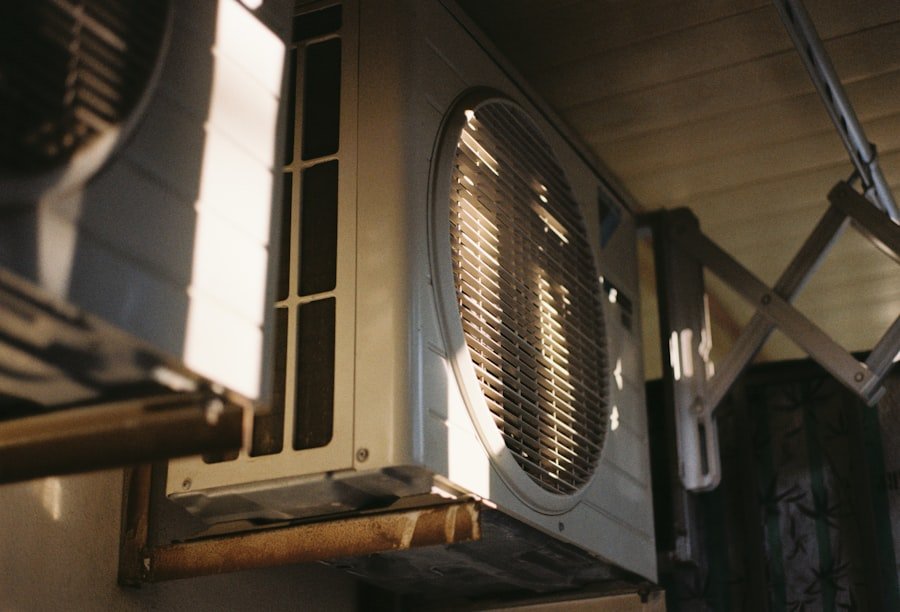
Thermostat programming is an often-overlooked aspect of HVAC efficiency that can yield substantial energy savings. Modern programmable thermostats allow homeowners to set specific temperature schedules based on their daily routines. For instance, lowering the temperature during work hours when no one is home or raising it at night when everyone is asleep can lead to significant reductions in energy consumption without sacrificing comfort.
Smart thermostats take this concept a step further by learning user preferences over time and automatically adjusting settings for optimal efficiency. These devices can be controlled remotely via smartphone apps, allowing homeowners to make adjustments on-the-go or receive alerts about unusual temperature fluctuations. By utilizing programmable or smart thermostats effectively, homeowners can maximize their HVAC system’s efficiency while enjoying a comfortable living environment tailored to their needs.
Zoning Systems
Zoning systems offer a sophisticated solution for managing temperature variations within different areas of a home. Traditional HVAC systems often treat the entire house as a single zone, leading to discomfort in rooms that may receive more sunlight or have higher occupancy levels than others. Zoning systems utilize multiple thermostats connected to dampers within the ductwork to control airflow independently in different areas of the home.
This targeted approach allows homeowners to customize heating and cooling based on individual preferences or usage patterns in various rooms. For example, a family may prefer cooler temperatures in bedrooms while keeping common areas warmer during the day when they are occupied. By implementing a zoning system, homeowners can achieve greater comfort while also reducing energy waste associated with heating or cooling unoccupied spaces.
Air Duct Sealing
Air duct sealing is an essential yet often neglected aspect of HVAC efficiency that can have a profound impact on overall system performance. Leaky ducts can account for significant energy loss—up to 30% in some cases—by allowing conditioned air to escape before it reaches its intended destination. This not only leads to higher energy bills but also results in uneven temperatures throughout the home.
To address this issue, homeowners should consider having their ductwork inspected for leaks or damage by qualified professionals. Techniques such as duct sealing with mastic or metallic tape can effectively close gaps and improve overall system efficiency. Additionally, sealing ducts can enhance indoor air quality by preventing dust and allergens from entering the airflow.
By prioritizing air duct sealing as part of an overall HVAC strategy, homeowners can enjoy improved comfort levels while maximizing energy savings over time.
FAQs
What are energy-efficient heating and cooling systems?
Energy-efficient heating and cooling systems are designed to use less energy to maintain comfortable indoor temperatures. They typically incorporate advanced technology and improved insulation to reduce energy consumption and lower utility bills.
Why should I consider installing energy-efficient heating and cooling?
Installing energy-efficient systems can significantly reduce your energy costs, decrease your carbon footprint, and improve indoor comfort. These systems often qualify for rebates and incentives, making them more affordable in the long run.
What are some common types of energy-efficient heating and cooling systems?
Common types include heat pumps, high-efficiency furnaces, energy-efficient air conditioners, and programmable thermostats. Heat pumps are especially popular because they provide both heating and cooling efficiently.
How can I prepare my home for installing an energy-efficient system?
Before installation, ensure your home is well-insulated and sealed to prevent energy loss. It’s also important to have your ductwork inspected and repaired if necessary to maximize system efficiency.
Do I need a professional to install energy-efficient heating and cooling systems?
Yes, professional installation is recommended to ensure the system operates correctly and efficiently. Certified technicians can properly size, install, and calibrate the equipment for optimal performance.
How can I maintain my energy-efficient heating and cooling system?
Regular maintenance includes changing filters, cleaning ducts, scheduling annual professional inspections, and keeping outdoor units free of debris. Proper maintenance helps sustain efficiency and prolongs system lifespan.
Are there any government incentives for installing energy-efficient heating and cooling?
Many governments offer tax credits, rebates, or other incentives for installing energy-efficient HVAC systems. Check with local and federal programs to see what benefits you may qualify for.
What factors should I consider when choosing an energy-efficient system?
Consider the size of your home, climate, system efficiency ratings (such as SEER and AFUE), installation costs, and potential energy savings. A professional energy audit can help determine the best option for your needs.
Can energy-efficient heating and cooling systems improve indoor air quality?
Yes, many energy-efficient systems include advanced filtration and ventilation features that help reduce allergens, pollutants, and humidity, contributing to better indoor air quality.
How long does it take to install an energy-efficient heating and cooling system?
Installation time varies depending on the system type and home complexity but typically ranges from one to three days. Proper planning and professional installation can help minimize disruption.