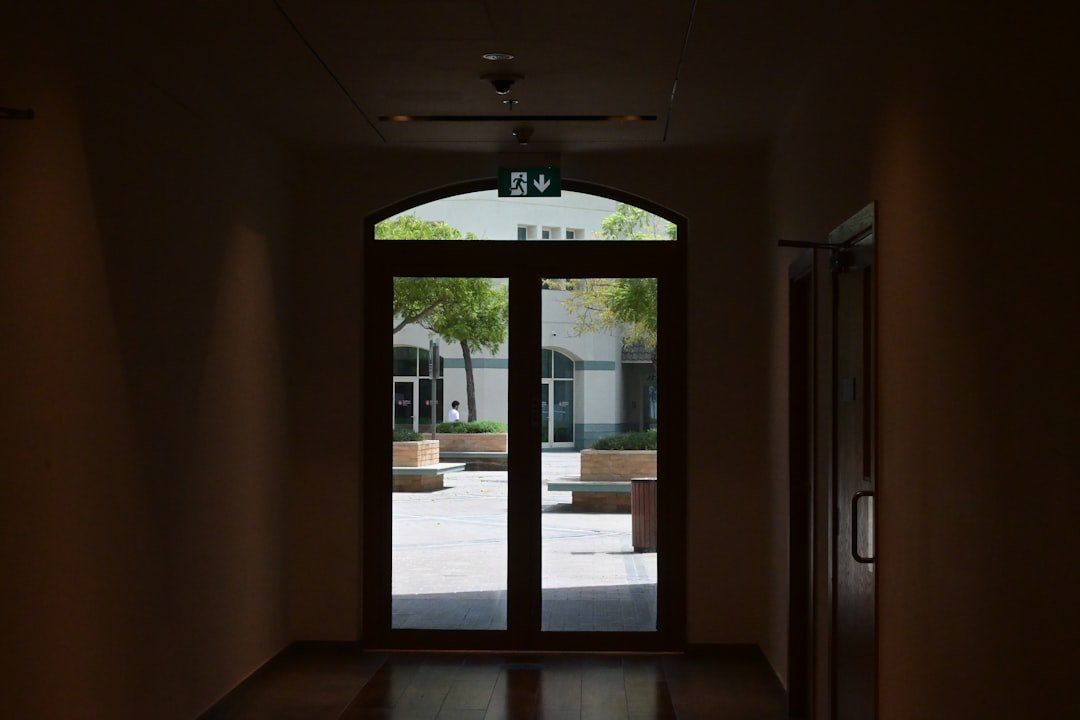
The selection of colors and lighting is fundamental in establishing the mood and functionality of any space. When choosing colors, it is essential to consider the psychological effects they can have on individuals. For instance, soft blues and greens are often associated with tranquility and can create a serene environment, making them ideal for bedrooms or relaxation areas.
Conversely, vibrant hues like yellows and oranges can energize a space, making them suitable for kitchens or creative workspaces. The interplay of colors can also affect how light is perceived in a room; lighter shades tend to reflect more light, making a space feel larger and more open, while darker tones can create a sense of intimacy and warmth. Lighting plays a crucial role in enhancing the chosen color palette.
Natural light is often the most desirable, as it brings out the true colors of furnishings and decor. However, when natural light is limited, layering artificial lighting becomes essential. This can be achieved through a combination of ambient, task, and accent lighting.
Ambient lighting provides overall illumination, while task lighting focuses on specific areas, such as reading nooks or workspaces. Accent lighting can highlight artwork or architectural features, adding depth and interest to the room. The strategic use of dimmers can also allow for flexibility in mood setting, enabling a space to transition from bright and lively during the day to soft and cozy in the evening.
Adding Functional and Stylish Storage Solutions
In any well-designed space, storage solutions must be both functional and aesthetically pleasing. The challenge lies in finding ways to incorporate storage that does not detract from the overall design but rather enhances it. Built-in shelving units are an excellent option for maximizing vertical space while providing a platform for decorative items, books, or plants.
These units can be customized to fit the dimensions of a room, allowing for a seamless integration into the existing architecture. Additionally, open shelving can create an airy feel while showcasing personal collections or curated decor. Another effective storage solution is multi-functional furniture.
Ottomans with hidden compartments or coffee tables that double as storage bins can help keep clutter at bay while serving a practical purpose. In bedrooms, beds with built-in drawers or under-bed storage can significantly increase available space without sacrificing style. Furthermore, decorative baskets or stylish boxes can be used to organize smaller items while adding texture and visual interest to the room.
By thoughtfully incorporating these storage solutions, one can maintain an organized environment that reflects personal style.
Incorporating Personal Touches and Decorative Elements
Personal touches are what transform a house into a home, infusing spaces with character and warmth. One effective way to achieve this is through the display of personal collections or travel souvenirs. For instance, a gallery wall featuring framed photographs from family vacations or art pieces collected over the years can serve as a conversation starter while showcasing individual stories and experiences.
Additionally, incorporating heirlooms or handmade items can add depth to the decor, connecting the present with cherished memories from the past. Decorative elements such as throw pillows, artwork, and plants also play a significant role in personalizing a space. Choosing textiles that reflect one’s personality—be it bold patterns or soft textures—can enhance comfort while adding visual interest.
Artwork should resonate with the inhabitants; whether it’s contemporary pieces that evoke modernity or classic paintings that bring nostalgia, art has the power to evoke emotions and set the tone of a room. Furthermore, incorporating greenery through houseplants not only purifies the air but also brings life into the space. The combination of these elements creates an inviting atmosphere that reflects individual tastes and lifestyles.
Selecting the Right Flooring and Rugs
Flooring choices significantly impact both the aesthetic appeal and functionality of a space. Different materials offer various benefits; hardwood floors are timeless and durable, providing warmth and elegance to any room. They can be complemented with area rugs that add softness underfoot while defining specific areas within an open layout.
On the other hand, tile flooring is ideal for high-traffic areas due to its durability and ease of maintenance. It comes in various styles and finishes, allowing for creative expression through patterns and colors. Rugs serve not only as decorative elements but also as practical solutions for noise reduction and comfort.
When selecting rugs, it is essential to consider their size in relation to the furniture layout; ideally, all major pieces should sit on the rug to create cohesion within the space. Additionally, layering rugs can add depth and texture; for example, placing a smaller patterned rug over a larger neutral one can create visual interest while delineating different areas within a room. The right combination of flooring and rugs can enhance the overall design while providing comfort and functionality.
Making a Statement with Furniture and Art
| Element | Description | Recommended Size/Quantity | Tips |
|---|---|---|---|
| Lighting | Bright and inviting light fixture | One overhead fixture or layered lighting (wall sconces, lamps) | Use warm white bulbs; consider dimmable options for ambiance |
| Seating | Bench or small chair for convenience | One bench or chair sized to fit space | Choose cushioned seating with storage underneath if possible |
| Storage | Hooks, shelves, or cabinets for coats and shoes | 4-6 hooks or a small cabinet | Keep storage organized and clutter-free |
| Rug or Mat | Floor covering to define space and catch dirt | Size to fit entryway, typically 2×3 to 3×5 feet | Choose durable, easy-to-clean materials |
| Decor | Artwork, mirror, or plants to add personality | One or two pieces depending on space | Use mirrors to enhance light and sense of space |
| Color Scheme | Warm and welcoming colors | N/A | Use light neutrals or soft tones to create openness |
Furniture selection is pivotal in defining the character of a space. Statement pieces—such as an oversized sofa or an intricately designed coffee table—can serve as focal points that draw attention and set the tone for the entire room. When choosing furniture, it is crucial to consider scale; oversized furniture in a small room can overwhelm the space, while too-small pieces in a large area may feel lost.
Striking a balance between size and proportion ensures that each piece contributes harmoniously to the overall design. Art plays an equally important role in making a statement within a room. Large-scale artworks can serve as dramatic focal points on walls, while smaller pieces can be grouped together to create an eclectic gallery wall effect.
The choice of art should resonate with personal taste; whether it’s abstract pieces that evoke emotion or landscapes that inspire tranquility, art has the power to transform a space. Additionally, incorporating three-dimensional art forms—such as sculptures or wall hangings—can add depth and intrigue to the decor. By thoughtfully selecting furniture and art, one can create an environment that is both visually striking and deeply personal.
Creating a Cozy Atmosphere with Textiles and Accessories
Textiles are essential in creating warmth and comfort within any space. Layering different fabrics—such as soft throws, plush cushions, and textured curtains—can enhance coziness while adding visual interest. For instance, mixing materials like velvet with linen creates a rich tactile experience that invites relaxation.
Choosing warm colors for textiles can further enhance this effect; deep reds, earthy browns, and soft creams evoke feelings of comfort and security. Accessories also play a vital role in establishing a cozy atmosphere. Items such as candles, decorative trays, or unique vases can add personality while creating inviting focal points throughout the room.
The strategic placement of these accessories on shelves or tables allows for easy rearrangement, keeping the decor fresh and engaging. Additionally, incorporating elements like books or magazines encourages leisurely moments spent in the space. By thoughtfully layering textiles and accessories, one can cultivate an inviting environment that beckons relaxation and enjoyment.
Organizing and Decluttering the Space
An organized space is essential for both functionality and aesthetics; clutter can detract from even the most beautifully designed interiors. Establishing effective organizational systems is key to maintaining order within any room. This may involve utilizing drawer dividers in kitchens or offices to keep utensils or office supplies neatly arranged.
In living areas, decorative boxes or baskets can serve dual purposes—providing storage while enhancing decor. Regular decluttering is equally important in preserving an inviting atmosphere. Setting aside time each month to assess belongings allows individuals to determine what is truly necessary versus what may be taking up valuable space unnecessarily.
Implementing strategies such as the “one in, one out” rule—whereby one item must be removed for every new item brought into the home—can help maintain balance over time. By prioritizing organization and decluttering efforts, one can create an environment that feels spacious and serene.
Maintaining a Clean and Inviting Entryway
The entryway serves as the first impression of any home; thus, its cleanliness and organization are paramount in creating an inviting atmosphere. A well-maintained entryway sets the tone for what lies beyond it, welcoming guests with warmth and hospitality. Regular cleaning routines should include sweeping or vacuuming floors, wiping down surfaces, and ensuring that shoes or outerwear are neatly stored away.
Incorporating functional elements into the entryway design can enhance its usability while maintaining aesthetics. A stylish console table can provide a surface for keys or mail while offering additional storage options below for shoes or bags. Hooks for coats or bags not only keep items off the floor but also add visual interest when arranged thoughtfully.
Adding personal touches—such as artwork or family photos—can further enhance this space’s character while ensuring it remains functional and inviting for both residents and guests alike.
FAQs
What is the purpose of a welcoming entryway or foyer?
A welcoming entryway or foyer serves as the first impression of your home, providing a transition space between the outdoors and the interior. It sets the tone for the rest of the house and offers a functional area for guests to remove shoes, hang coats, and store keys.
What are some key elements to include in a welcoming entryway?
Key elements include adequate lighting, comfortable seating, storage solutions like hooks or a console table, a mirror for last-minute appearance checks, and decorative touches such as artwork, rugs, or plants to create warmth and personality.
How can I make a small foyer feel more inviting?
To make a small foyer feel more inviting, use light colors to brighten the space, incorporate mirrors to create the illusion of more room, choose compact furniture, and keep the area clutter-free with smart storage options.
What types of lighting work best in an entryway?
Layered lighting works best, combining overhead fixtures like chandeliers or pendant lights with task lighting such as wall sconces or table lamps. This ensures the space is well-lit and welcoming at all times of day.
How important is storage in an entryway?
Storage is very important in an entryway to keep the area organized and clutter-free. It helps manage everyday items like shoes, coats, bags, and keys, making the space functional and tidy.
Can I personalize my entryway to reflect my style?
Yes, personalizing your entryway with artwork, decorative accessories, color schemes, and unique furniture pieces allows you to express your style and make guests feel welcomed.
What flooring options are best for an entryway?
Durable and easy-to-clean flooring options such as tile, hardwood, or laminate are ideal for entryways, as they can withstand high foot traffic and exposure to dirt and moisture.
How can I keep my entryway organized?
Use storage solutions like baskets, shelves, hooks, and cabinets to keep items in their place. Regularly declutter and designate specific spots for keys, mail, and shoes to maintain order.
Is it necessary to have seating in an entryway?
While not mandatory, seating such as a bench or chair is practical for putting on or taking off shoes and adds comfort and functionality to the space.
How can I make my entryway more eco-friendly?
Choose sustainable materials for furniture and decor, use energy-efficient lighting, and incorporate plants to improve air quality and create a natural, eco-friendly environment.