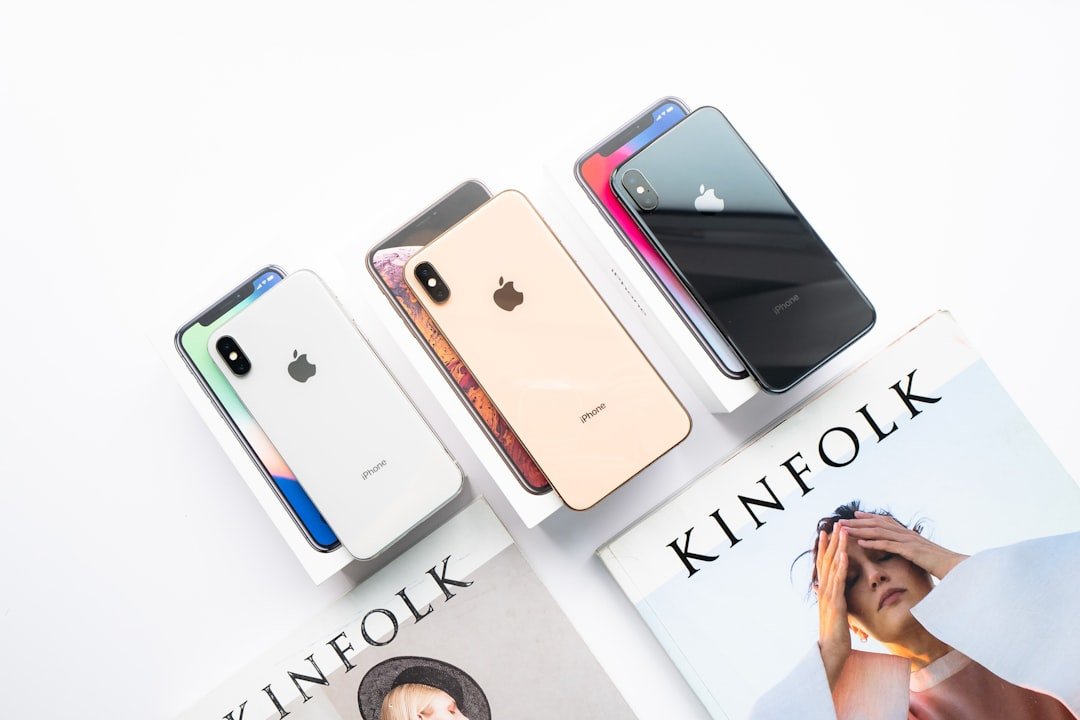
The advent of foldable phones marks a significant evolution in mobile technology, merging the convenience of smartphones with the expansive screen real estate typically associated with tablets. This innovative category of devices has captured the attention of tech enthusiasts and casual users alike, promising a new way to interact with digital content. The concept of foldable phones is not merely a gimmick; it represents a shift in how we perceive and utilize mobile devices, allowing for greater versatility in form factors and functionality.
Foldable phones first gained traction in the consumer market around 2019, with major players like Samsung and Huawei leading the charge. These devices utilize advanced hinge mechanisms and flexible display technology, enabling screens to bend without compromising performance. As manufacturers continue to refine their designs and address initial concerns regarding durability and usability, foldable phones are becoming increasingly mainstream.
The allure of having a compact device that can expand into a larger screen for multitasking or media consumption is driving interest and investment in this burgeoning segment.
Design and Durability
The design of foldable phones is one of their most striking features, showcasing a blend of innovation and aesthetic appeal. Unlike traditional smartphones, which adhere to a rigid form factor, foldable devices offer a dynamic design that can adapt to various user needs. For instance, the Samsung Galaxy Z Fold series features a book-like design that opens up to reveal a large, tablet-sized display, while the Motorola Razr adopts a clamshell style reminiscent of its iconic predecessor.
This versatility not only enhances the visual appeal but also provides practical benefits, such as easier portability and improved ergonomics. However, the durability of foldable phones has been a topic of considerable debate. Early iterations faced criticism for their fragile screens and hinges, leading to concerns about long-term reliability.
Manufacturers have since made significant strides in addressing these issues. For example, Samsung introduced Gorilla Glass Victus on its latest models, enhancing scratch resistance and overall durability. Additionally, advancements in hinge technology have resulted in smoother folding mechanisms that can withstand thousands of open-and-close cycles.
Despite these improvements, potential buyers should remain aware that foldable phones may still be more susceptible to wear and tear compared to their non-foldable counterparts.
Display Quality and Functionality
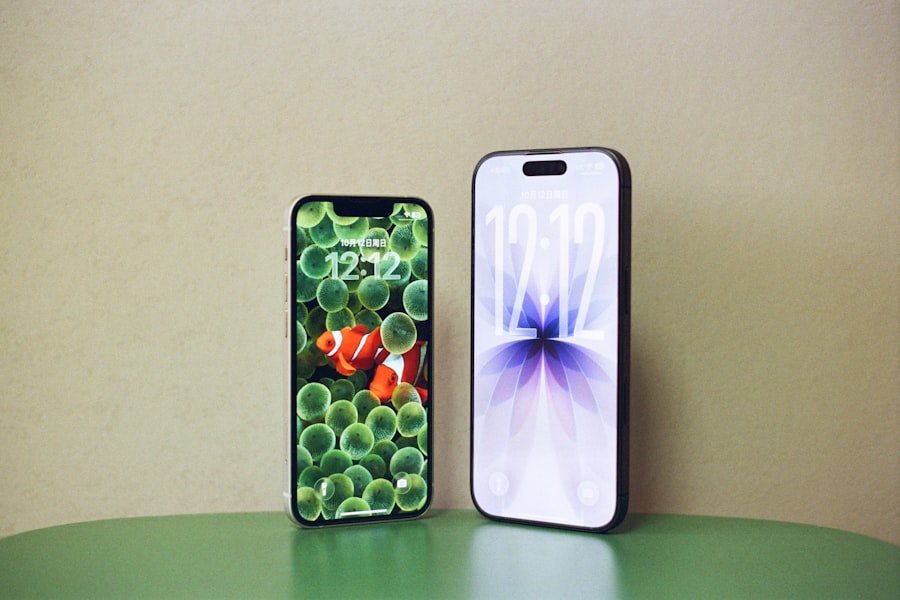
The display quality of foldable phones is a critical factor that influences user experience. These devices typically feature OLED technology, which offers vibrant colors, deep blacks, and excellent contrast ratios. The ability to fold the screen does not compromise display quality; in fact, many foldable phones boast high resolutions that rival traditional flagship smartphones.
For instance, the Samsung Galaxy Z Fold 4 features a 7.6-inch main display with a resolution of 2208 x 1768 pixels, providing an immersive viewing experience for videos and games. Functionality is another area where foldable phones excel. The expansive screen real estate allows for enhanced multitasking capabilities, enabling users to run multiple applications side by side.
For example, one can easily watch a video while simultaneously browsing the web or taking notes. This level of productivity is particularly appealing to professionals who rely on their devices for work-related tasks. Furthermore, many foldable phones come equipped with software optimizations that take advantage of the unique form factor, such as split-screen modes and app continuity features that seamlessly transition between displays.
Performance and Speed
When it comes to performance, foldable phones are often equipped with top-tier hardware that rivals the best smartphones on the market. Most models feature high-end processors, ample RAM, and fast storage options that ensure smooth operation across various applications. For instance, the latest iterations of the Galaxy Z Fold series are powered by Qualcomm’s Snapdragon 8 Gen 1 chip, which delivers exceptional speed and efficiency for demanding tasks such as gaming or video editing.
In addition to raw processing power, foldable phones also benefit from advanced software optimizations that enhance overall performance. Many manufacturers have tailored their operating systems to better support multitasking and app management on larger displays. This means that users can expect quick app launches, seamless transitions between tasks, and minimal lag during intensive operations.
As mobile technology continues to advance, foldable phones are likely to remain at the forefront of performance innovation.
Battery Life
| Metric | Foldable Phones | Traditional Smartphones | Notes |
|---|---|---|---|
| Durability (fold cycles) | 200,000 – 300,000 folds | N/A | Foldable phones tested for hinge and screen longevity |
| Screen crease visibility | Moderate to low | None | Crease may be visible but often fades with use |
| Battery life (hours of typical use) | 8 – 12 hours | 10 – 15 hours | Foldables tend to have slightly shorter battery life |
| Weight (grams) | 250 – 300 g | 150 – 200 g | Foldables are generally heavier due to hinge and dual screens |
| App compatibility | 95% compatible | 100% compatible | Some apps may not fully support foldable screen formats |
| Multitasking efficiency | High | Medium | Foldables offer better split-screen and multi-window use |
| Repairability | Low to medium | Medium to high | More complex design makes repairs harder and costlier |
| Price range | High | Medium to high | Foldables are premium devices with higher cost |
Battery life is a crucial consideration for any mobile device, and foldable phones are no exception. Given their larger displays and powerful hardware, one might assume that these devices would struggle to maintain adequate battery longevity. However, manufacturers have made significant strides in optimizing battery performance in foldable designs.
For example, the Samsung Galaxy Z Fold 4 is equipped with a 4,400 mAh battery that supports all-day usage under typical conditions. Moreover, advancements in battery technology have allowed for more efficient power management systems within these devices. Features such as adaptive battery usage and intelligent app management help extend battery life by prioritizing power allocation based on user habits.
Additionally, many foldable phones support fast charging capabilities, allowing users to quickly recharge their devices when needed. While battery life may vary depending on usage patterns and settings, many users find that foldable phones can comfortably last through a full day of typical use.
Camera Quality
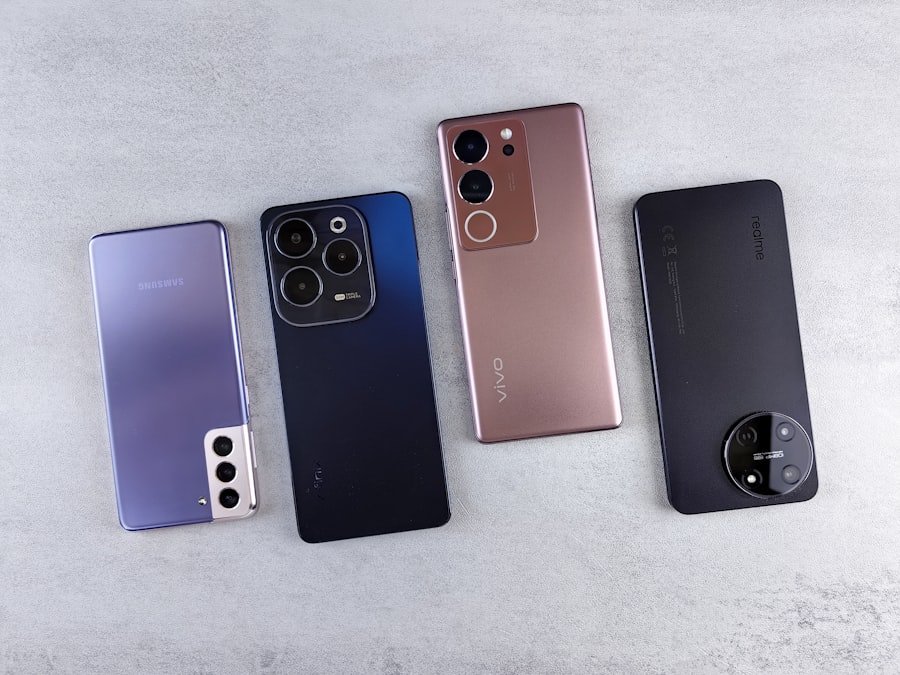
Camera quality is an essential aspect of any smartphone experience, and foldable phones are increasingly equipped with impressive camera systems that cater to photography enthusiasts. Many models feature multiple lenses that offer versatility for various shooting scenarios. For instance, the Samsung Galaxy Z Fold 4 boasts a triple-camera setup on the rear, including a wide-angle lens, an ultra-wide lens, and a telephoto lens, allowing users to capture stunning images in diverse environments.
In addition to hardware improvements, software enhancements play a significant role in elevating camera performance on foldable devices. Advanced computational photography techniques enable features such as night mode, portrait mode, and enhanced HDR capabilities. Furthermore, the unique form factor of foldable phones allows for innovative shooting angles and modes; users can utilize the device’s ability to stand on its own for hands-free photography or video calls.
This flexibility opens up new creative possibilities for capturing moments in ways that traditional smartphones cannot.
User Experience and Practicality
The user experience offered by foldable phones is distinct from that of conventional smartphones due to their unique design and functionality. The ability to switch between a compact phone mode and an expansive tablet mode provides users with unparalleled versatility. This adaptability is particularly beneficial for those who frequently consume media or engage in multitasking activities.
For example, users can easily transition from reading an article on a small screen to watching a video on a larger display without needing to switch devices. However, practicality remains a key consideration for potential buyers. While foldable phones offer numerous advantages, they also come with certain trade-offs.
The price point for these devices tends to be higher than traditional smartphones due to the advanced technology involved in their design and manufacturing processes. Additionally, some users may find the bulkiness of certain models less appealing compared to sleek flagship smartphones. As such, individuals must weigh their specific needs against the benefits offered by foldable technology.
Are Foldable Phones Worth the Investment?
As foldable phones continue to evolve and gain traction in the market, potential buyers are left pondering whether these innovative devices are worth the investment. The unique combination of design versatility, enhanced functionality, and cutting-edge technology makes them an attractive option for many users seeking something beyond traditional smartphones. However, considerations regarding durability, price point, and practicality must also be taken into account.
Ultimately, the decision to invest in a foldable phone will depend on individual preferences and usage patterns. For those who prioritize multitasking capabilities and enjoy consuming media on larger screens while maintaining portability, foldable phones present an exciting opportunity to enhance their mobile experience. As manufacturers continue to refine their offerings and address initial concerns surrounding durability and usability, it is likely that foldable phones will become an increasingly integral part of the smartphone landscape in the years to come.
FAQs
What are foldable phones?
Foldable phones are smartphones with flexible displays that can be folded or unfolded to change the device’s size and form factor. They typically feature a hinge mechanism allowing the screen to bend without damage.
How durable are foldable phones in everyday use?
Foldable phones have improved durability compared to earlier models, with reinforced hinges and flexible glass screens. However, they are generally more delicate than traditional smartphones and require careful handling to avoid damage.
Do foldable phones offer the same performance as regular smartphones?
Yes, most foldable phones use high-end processors and hardware comparable to flagship smartphones, providing similar performance in terms of speed, multitasking, and gaming.
How does the foldable screen affect user experience?
The foldable screen allows for a larger display area when unfolded, enhancing media consumption, multitasking, and productivity. When folded, the device is more compact and portable. Some apps are optimized to take advantage of the foldable display.
Are foldable phones more expensive than traditional smartphones?
Generally, foldable phones are priced higher than standard smartphones due to their advanced technology, flexible displays, and complex hinge mechanisms.
What are common issues users face with foldable phones?
Users may encounter concerns such as screen creases along the fold, potential hinge wear over time, and limited availability of apps optimized for foldable displays.
How long does the battery last on foldable phones?
Battery life varies by model but is typically comparable to traditional smartphones, with some foldable phones featuring larger batteries to support the bigger screens.
Can foldable phones be used with one hand?
When folded, many foldable phones can be used one-handed like a regular smartphone. However, when unfolded, they are larger and may require two-handed use.
Are foldable phones compatible with existing accessories?
Some accessories like cases and screen protectors are specifically designed for foldable phones. Standard accessories may not fit properly due to the unique form factor.
What is the future outlook for foldable phones?
Foldable phone technology continues to advance, with improvements in durability, screen quality, and software optimization expected to make them more mainstream and accessible in the coming years.