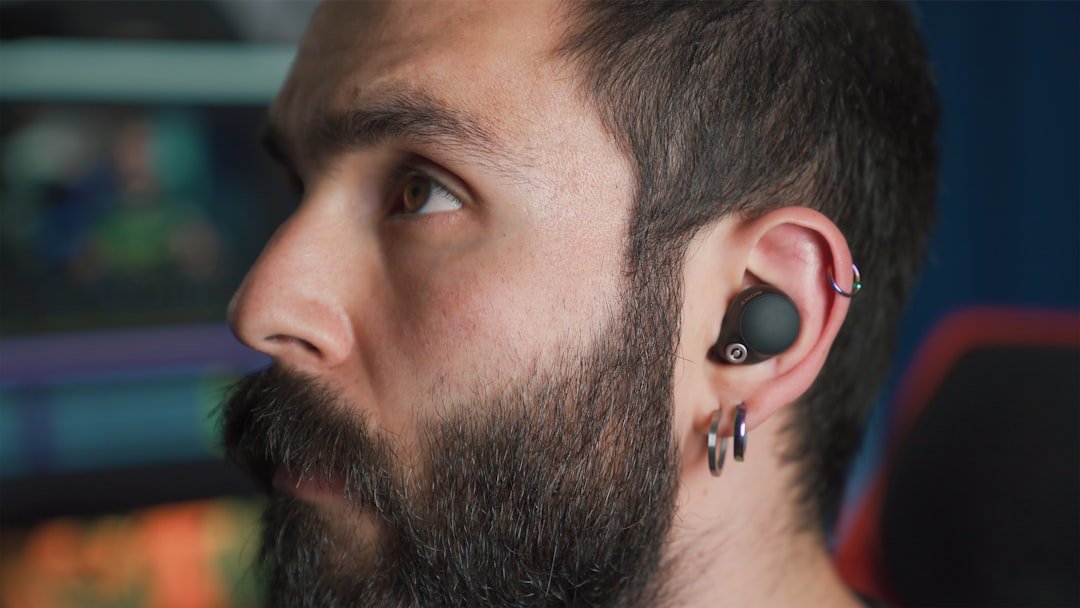
The advent of true wireless earbuds has revolutionized the way we experience audio. These compact devices, which consist of two separate earpieces without any connecting wires, have gained immense popularity due to their convenience and portability. With advancements in technology, true wireless earbuds have evolved from simple audio playback devices to sophisticated gadgets that offer a range of features, including touch controls, voice assistants, and even health monitoring capabilities.
The appeal of these earbuds lies not only in their sleek design but also in their ability to deliver high-quality sound while allowing users the freedom to move without the constraints of cables. As consumers increasingly prioritize mobility and ease of use, the market for true wireless earbuds has expanded significantly. Major audio brands and tech companies have entered the fray, each vying to capture the attention of audiophiles and casual listeners alike.
This surge in competition has led to a diverse array of options, making it essential for consumers to understand the factors that influence sound quality. With so many choices available, discerning which true wireless earbuds provide the best audio experience can be a daunting task. This article delves into the various elements that affect sound quality, compares leading brands, and highlights key specifications that can guide consumers in their quest for the perfect pair of earbuds.
Factors Affecting Sound Quality
Several factors contribute to the overall sound quality of true wireless earbuds, each playing a crucial role in how audio is reproduced. One of the primary determinants is the quality of the drivers used in the earbuds. Drivers are responsible for converting electrical signals into sound waves, and their size and type can significantly impact audio performance.
Larger drivers typically produce deeper bass and a more expansive soundstage, while smaller drivers may excel in delivering clarity and detail in higher frequencies. The materials used in driver construction also matter; for instance, dynamic drivers often provide a warm sound signature, while balanced armature drivers are known for their precision and detail. Another critical factor is the design and fit of the earbuds.
A secure fit not only enhances comfort but also improves passive noise isolation, allowing users to enjoy their music without external distractions. The shape and materials used in ear tips can affect how well the earbuds seal within the ear canal, which in turn influences bass response and overall sound quality. Additionally, the acoustic design of the earbuds—whether they are open-back or closed-back—can alter how sound waves interact with the environment, further affecting audio fidelity.
Therefore, when evaluating true wireless earbuds, it is essential to consider both the technical specifications and the ergonomic design that contributes to an optimal listening experience.
Comparison of Sound Quality Among Top Brands
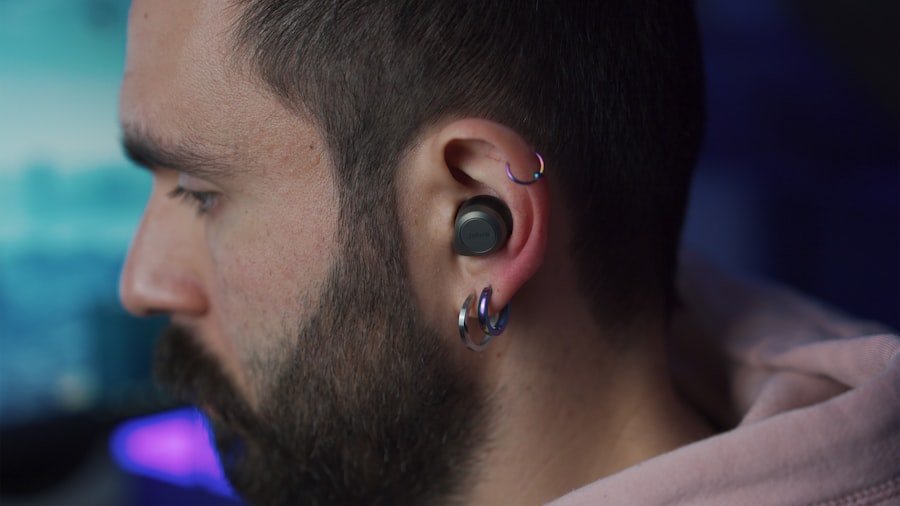
When it comes to sound quality, several brands have established themselves as leaders in the true wireless earbuds market. Apple’s AirPods Pro, for instance, are renowned for their balanced sound profile and seamless integration with Apple devices. The adaptive EQ feature automatically tunes music to the shape of the user’s ear, enhancing overall audio performance.
Users often praise the AirPods Pro for their clarity across various genres, making them a versatile choice for everyday listening. On the other hand, brands like Sony and Sennheiser have carved out a niche by focusing on audiophile-grade sound quality. Sony’s WF-1000XM4 earbuds are equipped with advanced noise cancellation technology and support for high-resolution audio codecs, resulting in an immersive listening experience that appeals to discerning listeners.
Similarly, Sennheiser’s Momentum True Wireless 2 earbuds are celebrated for their rich sound signature and impressive bass response, making them a favorite among bass enthusiasts. Each brand brings its unique approach to sound quality, catering to different preferences and listening habits.
The Importance of Driver Size and Type
The driver size and type are fundamental aspects that directly influence the audio output of true wireless earbuds. Generally speaking, larger drivers can produce more powerful sound with greater bass response due to their ability to move more air. For example, earbuds with 10mm dynamic drivers often deliver a fuller sound compared to those with smaller 6mm drivers.
However, size is not the only consideration; the type of driver also plays a significant role in shaping sound characteristics. Dynamic drivers are commonly used in many true wireless earbuds because they offer a good balance between cost and performance. They are capable of producing a wide range of frequencies and are particularly effective at delivering punchy bass.
In contrast, balanced armature drivers are designed for precision and clarity, making them ideal for reproducing intricate details in music. Some high-end models even combine both driver types to leverage their respective strengths—dynamic drivers for bass and balanced armature drivers for treble—resulting in a more comprehensive audio experience. Understanding these differences can help consumers make informed decisions based on their personal listening preferences.
Understanding Frequency Response and Impedance
| Brand/Model | Frequency Response (Hz) | Driver Size (mm) | THD (%) | Sensitivity (dB SPL/mW) | Noise Isolation | Sound Signature |
|---|---|---|---|---|---|---|
| Apple AirPods Pro 2 | 20 – 20,000 | 11 | 0.05 | 100 | Active Noise Cancellation | Balanced with emphasis on mids |
| Sony WF-1000XM4 | 20 – 40,000 | 6 | 0.03 | 105 | Active Noise Cancellation | Warm bass with clear highs |
| Bose QuietComfort Earbuds II | 20 – 20,000 | 9 | 0.04 | 102 | Active Noise Cancellation | Neutral and natural sound |
| Samsung Galaxy Buds Pro | 20 – 20,000 | 11 | 0.06 | 99 | Active Noise Cancellation | V-shaped with punchy bass |
| Jabra Elite 7 Pro | 20 – 20,000 | 6 | 0.05 | 100 | Passive Noise Isolation | Balanced with clear vocals |
Frequency response is another critical specification that affects how true wireless earbuds reproduce sound. It refers to the range of frequencies that the earbuds can produce, typically measured in Hertz (Hz). A wider frequency response range allows for more accurate reproduction of low (bass), mid (vocals), and high (treble) frequencies.
For instance, earbuds with a frequency response range of 20 Hz to 20 kHz can reproduce sounds that fall within the audible spectrum for most humans, ensuring that users can enjoy music as intended by artists and producers. Impedance is another important factor that influences sound quality and compatibility with various devices. Measured in ohms (Ω), impedance affects how much power is required to drive the earbuds effectively.
Lower impedance earbuds (typically around 16-32 ohms) are easier to drive and can be used with portable devices like smartphones without requiring additional amplification. Conversely, higher impedance models may require more power to achieve optimal performance but can deliver superior sound quality when paired with high-end audio equipment. Understanding these specifications allows consumers to select true wireless earbuds that not only meet their audio preferences but also work well with their existing devices.
Evaluating Noise Cancellation and Isolation
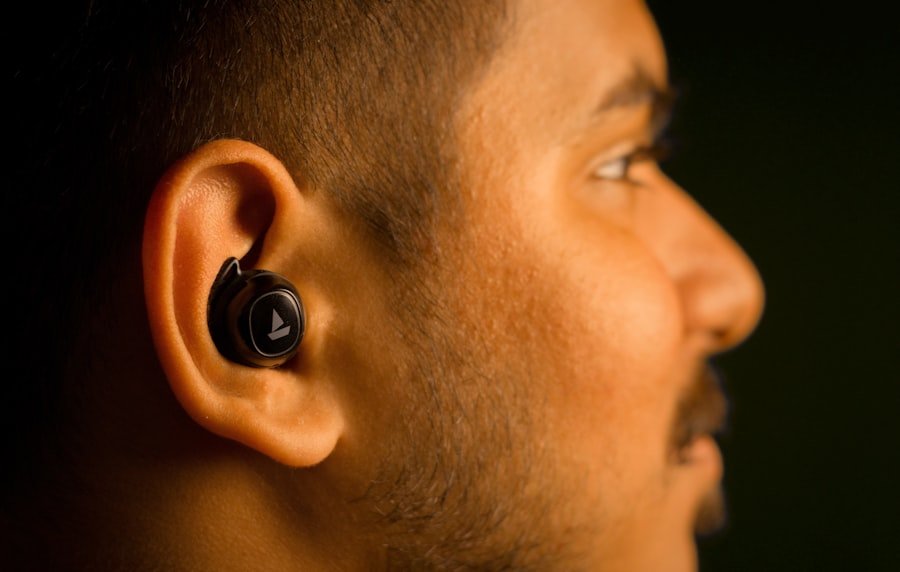
Noise cancellation and isolation are essential features for many users seeking an immersive listening experience with true wireless earbuds. Active noise cancellation (ANC) technology uses microphones to detect ambient sounds and generates counteracting sound waves to reduce unwanted noise. This feature is particularly beneficial in noisy environments such as airplanes or busy streets, allowing users to focus on their music or podcasts without distractions.
In addition to ANC, passive noise isolation plays a crucial role in sound quality by physically blocking external sounds through the design and fit of the earbuds. A well-fitted earbud can create a seal within the ear canal, preventing outside noise from interfering with audio playback. Some brands offer multiple ear tip sizes or materials to ensure a comfortable fit for various ear shapes, enhancing both comfort and isolation.
Evaluating both active noise cancellation capabilities and passive isolation is vital for consumers who prioritize sound quality in challenging listening environments.
The Role of Bluetooth Codecs in Sound Quality
Bluetooth codecs are another critical component that affects sound quality in true wireless earbuds. Codecs determine how audio data is compressed and transmitted over Bluetooth connections, influencing both latency and audio fidelity. Common codecs include SBC (Subband Coding), AAC (Advanced Audio Codec), aptX, and LDAC (Low Latency Audio Codec).
Each codec has its strengths and weaknesses; for instance, SBC is widely supported but may not deliver optimal sound quality compared to others. AAC is favored by Apple devices due to its efficient compression algorithms that maintain audio quality while minimizing latency. On the other hand, aptX and LDAC are designed for higher-resolution audio streaming, making them ideal for audiophiles who seek superior sound quality from compatible devices.
When selecting true wireless earbuds, it is essential to consider which codecs are supported by both the earbuds and the user’s device to ensure an optimal listening experience without compromising on audio fidelity.
Finding the Best True Wireless Earbuds for Sound Quality
In conclusion, navigating the world of true wireless earbuds requires an understanding of various factors that influence sound quality. From driver size and type to frequency response and Bluetooth codecs, each element plays a significant role in shaping the overall audio experience. By comparing leading brands and evaluating specifications such as noise cancellation capabilities and impedance, consumers can make informed decisions tailored to their listening preferences.
Ultimately, finding the best true wireless earbuds involves balancing personal preferences with technical specifications. Whether one prioritizes deep bass response or crystal-clear treble, there is a pair of true wireless earbuds designed to meet those needs. As technology continues to advance, consumers can expect even greater improvements in sound quality, making it an exciting time for audio enthusiasts seeking portable solutions without compromising on performance.
FAQs
What factors affect the sound quality of true wireless earbuds?
Several factors influence the sound quality of true wireless earbuds, including the driver size and type, frequency response range, codec support (such as AAC, SBC, or aptX), noise isolation or cancellation capabilities, and the overall design and fit of the earbuds.
Do true wireless earbuds provide sound quality comparable to wired headphones?
While true wireless earbuds have improved significantly, they generally offer sound quality that is good but may not fully match the fidelity and dynamic range of high-end wired headphones. However, many premium true wireless models deliver excellent sound that satisfies most listeners.
How does Bluetooth codec impact sound quality in true wireless earbuds?
Bluetooth codecs determine how audio data is compressed and transmitted. Higher-quality codecs like aptX, aptX HD, LDAC, and AAC can provide better sound quality by allowing higher bitrates and less compression, resulting in clearer and more detailed audio compared to the standard SBC codec.
Can true wireless earbuds offer effective noise cancellation?
Yes, many true wireless earbuds feature active noise cancellation (ANC) technology that reduces ambient noise, improving listening experience and perceived sound quality. The effectiveness of ANC varies by model and can significantly enhance audio clarity in noisy environments.
Does the fit of true wireless earbuds affect sound quality?
Absolutely. A proper fit ensures good seal and isolation, which enhances bass response and overall sound clarity. Poorly fitting earbuds can lead to sound leakage and diminished audio performance.
Are there differences in sound quality between budget and premium true wireless earbuds?
Yes, premium true wireless earbuds typically use higher-quality components, advanced drivers, better codecs, and superior noise cancellation technology, resulting in noticeably better sound quality compared to budget models.
How important is battery life in relation to sound quality for true wireless earbuds?
While battery life does not directly affect sound quality, longer battery life allows for extended listening sessions without interruption. Some earbuds may reduce sound quality or disable features like ANC to conserve battery, so battery management can indirectly impact the listening experience.
Can firmware updates improve the sound quality of true wireless earbuds?
Yes, manufacturers sometimes release firmware updates that optimize audio performance, fix bugs, or improve codec support, which can enhance the sound quality and overall functionality of true wireless earbuds.