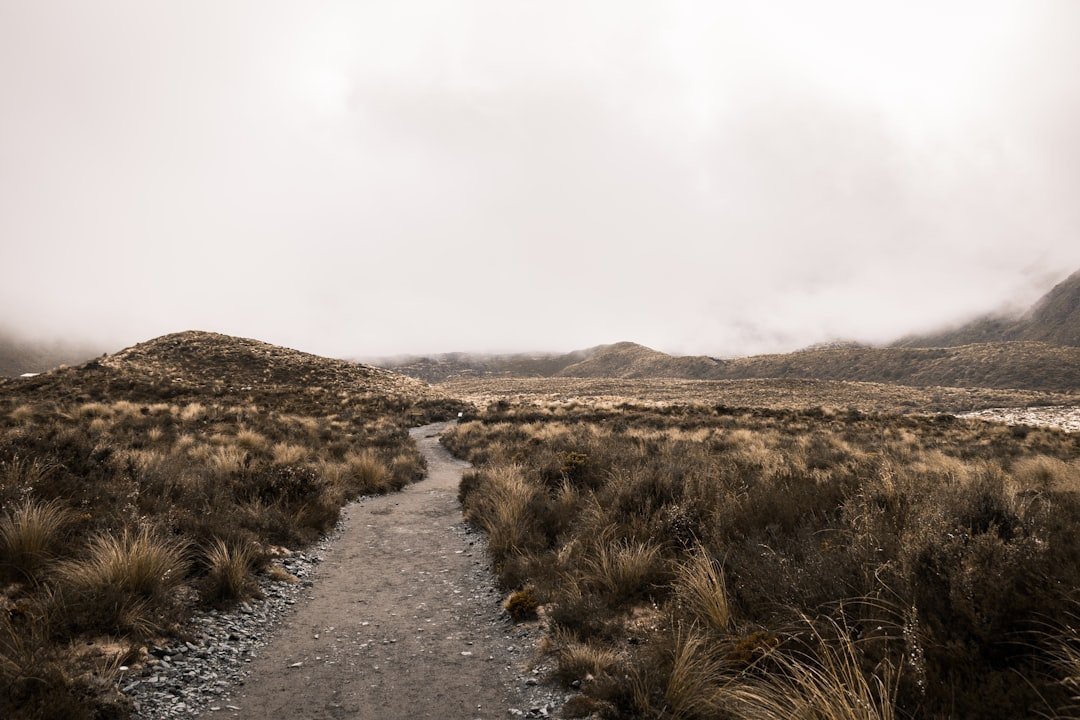
New Zealand is renowned for its breathtaking landscapes, and the Great Walks are a testament to the country’s natural beauty. These nine multi-day hiking trails traverse some of the most stunning terrains, from lush rainforests to rugged mountains and serene lakes. Each trail offers a unique experience, showcasing the diverse ecosystems and geological wonders that define New Zealand.
The Milford Track, often dubbed the “finest walk in the world,” takes hikers through the heart of Fiordland National Park, where cascading waterfalls and towering peaks create a dramatic backdrop. The journey begins at the head of Lake Te Anau and culminates at the stunning Milford Sound, with hikers traversing lush valleys and crossing the formidable Mackinnon Pass. Another iconic trail is the Tongariro Alpine Crossing, which is frequently cited as one of the best day hikes in New Zealand.
This 19.4-kilometer trek leads adventurers through a volcanic landscape, featuring emerald lakes, craters, and steaming vents. The trail is set within Tongariro National Park, a UNESCO World Heritage site, and offers panoramic views of Mount Ngauruhoe, famously known as Mount Doom from “The Lord of the Rings.” The Great Walks not only provide an opportunity to immerse oneself in nature but also to engage with New Zealand’s rich cultural heritage, as many trails are steeped in Maori history and legend.
Hidden Gems: Off-the-Beaten-Path Trails
While the Great Walks attract thousands of hikers each year, New Zealand is also home to numerous hidden gems that offer solitude and a more intimate connection with nature. These lesser-known trails often lead to breathtaking vistas and unique landscapes that remain largely untouched by mass tourism. One such trail is the Routeburn Track’s lesser-known alternative, the Greenstone Track.
This 3-day hike meanders through ancient beech forests and alongside pristine rivers, culminating at Lake Wakatipu. The tranquility of this trail allows hikers to experience the serene beauty of New Zealand’s wilderness without the crowds. Another hidden gem is the Heaphy Track, located in Kahurangi National Park.
This trail is less frequented than its more famous counterparts but offers an incredible diversity of landscapes, from coastal scenery to lush forests and alpine meadows. The Heaphy Track spans 78.4 kilometers and can be completed in four to six days. Hikers are treated to stunning views of the Tasman Sea, as well as opportunities to spot unique wildlife such as the rare Kiwi bird.
The off-the-beaten-path trails not only provide a chance for solitude but also allow hikers to discover the rich biodiversity that New Zealand has to offer.
Coastal Hiking Trails: Exploring New Zealand’s Stunning Shorelines
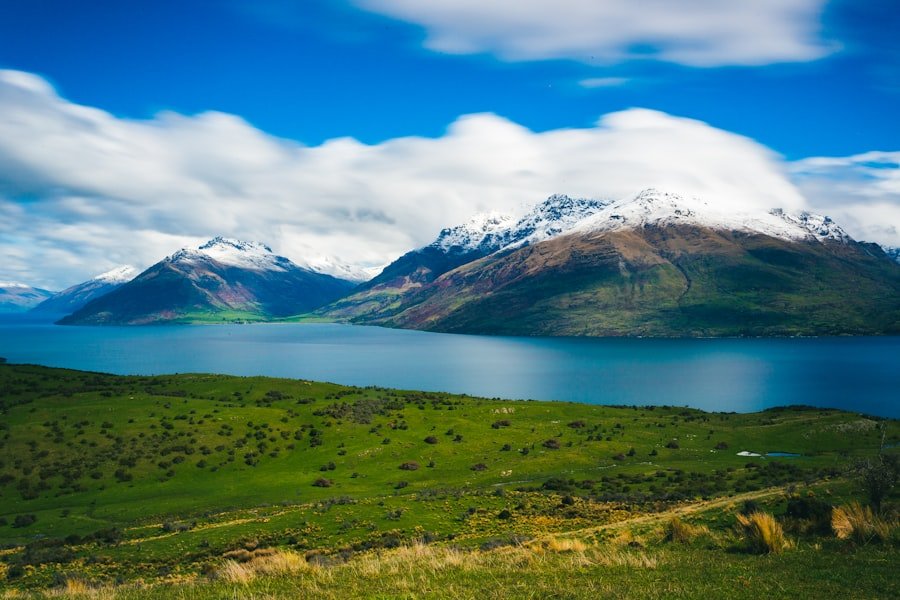
New Zealand’s coastline is nothing short of spectacular, with rugged cliffs, golden beaches, and crystal-clear waters. Coastal hiking trails provide an opportunity to explore these stunning shorelines while enjoying breathtaking views and diverse marine life. The Abel Tasman Coast Track is one of the most popular coastal hikes, stretching 60 kilometers along the northern coast of the South Island.
This trail features pristine beaches, lush forests, and tidal estuaries, making it a paradise for nature lovers. Hikers can choose to complete the entire track or opt for shorter sections, allowing for flexibility in planning. Another remarkable coastal trail is the Cape Brett Track in the Bay of Islands.
This challenging hike offers panoramic views of the surrounding islands and the Pacific Ocean. The track leads to the iconic Cape Brett Lighthouse, which stands sentinel over the rugged coastline. Along the way, hikers may encounter diverse wildlife, including dolphins and seabirds.
The combination of stunning vistas and rich biodiversity makes coastal hiking in New Zealand an unforgettable experience.
Alpine Adventures: Hiking in the Southern Alps
The Southern Alps are a majestic mountain range that runs down the spine of New Zealand’s South Island, offering some of the most exhilarating hiking experiences in the country. The region is characterized by towering peaks, glacial valleys, and pristine alpine lakes. One of the most famous hikes in this area is the Franz Josef Glacier Track, which provides access to one of the most accessible glaciers in the world.
Hikers can explore the glacier’s stunning ice formations and learn about its dynamic environment through guided tours. For those seeking a more challenging alpine adventure, the Routeburn Track offers breathtaking views of both mountains and valleys. This 32-kilometer trail traverses through Fiordland National Park and Mount Aspiring National Park, showcasing some of New Zealand’s most dramatic landscapes.
Hikers will encounter lush rainforests, alpine meadows, and stunning vistas from high mountain passes. The Routeburn Track is not only a physical challenge but also an opportunity to connect with nature in one of its most pristine forms.
Volcanic Wonderlands: Discovering Unique Trails around New Zealand’s Volcanoes
| Trail Name | Location | Length (km) | Difficulty | Average Completion Time | Highlights |
|---|---|---|---|---|---|
| Milford Track | Fiordland National Park | 53.5 | Moderate | 4 days | Waterfalls, Rainforest, Fiords |
| Routeburn Track | Fiordland & Mount Aspiring National Parks | 32 | Moderate | 2-3 days | Alpine views, Lakes, Valleys |
| Kepler Track | Fiordland National Park | 60 | Moderate | 3-4 days | Mountain ridges, Lakes, Forest |
| Abel Tasman Coast Track | Abel Tasman National Park | 60 | Easy to Moderate | 3-5 days | Beaches, Coastal forest, Tides |
| Tongariro Northern Circuit | Tongariro National Park | 43 | Moderate to Hard | 3-4 days | Volcanic landscapes, Craters, Lakes |
| Heaphy Track | Golden Bay to West Coast | 78.4 | Moderate | 4-6 days | Rainforest, Beaches, Diverse flora |
| Rakiura Track | Stewart Island | 32 | Easy to Moderate | 2-3 days | Coastal views, Birdlife, Forest |
New Zealand’s geological activity has created a landscape rich in volcanic features, providing unique hiking opportunities for those interested in exploring these natural wonders. The Tongariro National Park is home to several active volcanoes, including Mount Tongariro and Mount Ruapehu. The Tongariro Alpine Crossing is a highlight for many hikers, offering a chance to walk through a volcanic landscape filled with craters, steaming vents, and vibrant mineral lakes.
Another fascinating area is White Island (Whakaari), an active stratovolcano located off the coast of Bay of Plenty. Guided tours allow visitors to hike on this unique island while learning about its geological significance and observing its geothermal activity up close. The experience is both thrilling and educational, providing insight into New Zealand’s dynamic earth processes.
Hiking around these volcanic landscapes not only offers stunning views but also a deeper understanding of the forces that shape our planet.
Forest Treks: Exploring the Lush Greenery of New Zealand’s National Parks
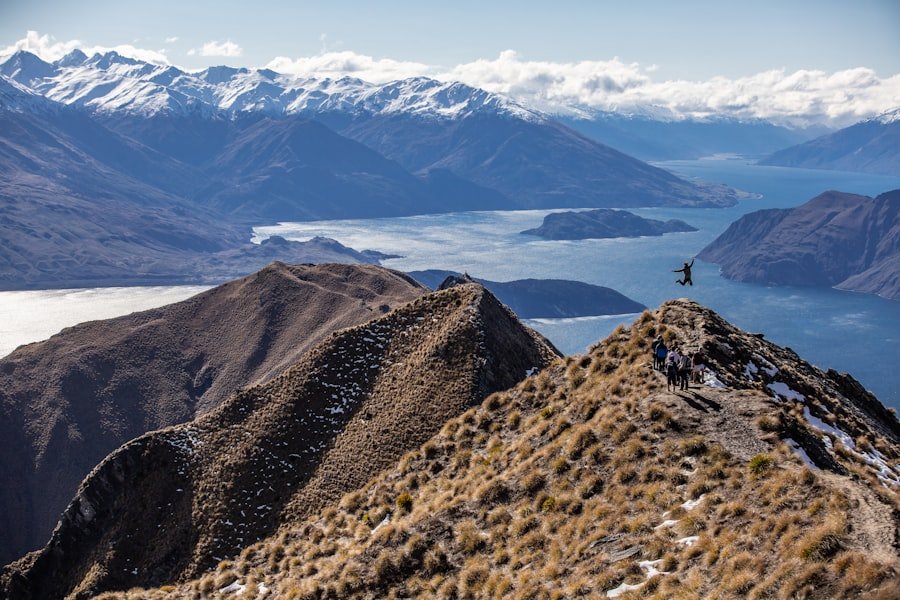
New Zealand’s national parks are home to some of the most beautiful forests in the world, characterized by towering trees, vibrant ferns, and diverse wildlife. Hiking through these lush environments provides an opportunity to connect with nature on a deeper level. The Waipoua Forest in Northland is home to some of the largest Kauri trees in existence, including Tāne Mahuta, which is estimated to be over 2,500 years old.
Walking through this ancient forest feels like stepping back in time as you marvel at these colossal giants. In addition to Waipoua Forest, Fiordland National Park offers incredible forest treks that lead to stunning fjords and waterfalls. The Kepler Track is a prime example; this 60-kilometer loop track takes hikers through beech forests and alpine environments while providing breathtaking views of Lake Te Anau and surrounding mountains.
The combination of lush greenery and dramatic landscapes makes forest treks in New Zealand an essential part of any hiking itinerary.
Urban Hiking: Exploring the Trails and Walkways in New Zealand’s Cities
While New Zealand is celebrated for its natural landscapes, its cities also offer unique urban hiking experiences that showcase local culture and history. Auckland’s Coast to Coast Walkway is a prime example; this 16-kilometer trail connects two coastlines across the city while passing through parks, volcanic cones, and historic sites. Hikers can enjoy panoramic views from One Tree Hill or explore the vibrant neighborhoods along the way.
Wellington, known for its artistic vibe and stunning harbor views, also boasts several urban trails that highlight its natural beauty. The Mount Victoria Lookout Track provides a short yet rewarding hike that leads to a viewpoint overlooking the city and harbor. This urban hike allows visitors to appreciate Wellington’s unique blend of urban life and natural scenery while enjoying fresh air and exercise.
Maori Trails: Exploring the Cultural and Historical Hiking Routes of New Zealand
The rich cultural heritage of New Zealand’s indigenous Maori people is deeply intertwined with its landscapes, making Maori trails an essential aspect of hiking in the country. These trails often follow traditional routes used by Maori ancestors for travel, trade, and spiritual purposes. One notable example is the Pouakai Circuit in Egmont National Park, which offers not only stunning views of Mount Taranaki but also insights into Maori mythology and history.
Another significant trail is Te Araroa, which stretches from Cape Reinga at the northern tip of New Zealand to Bluff at the southern end. This long-distance trail incorporates various sections that highlight Maori culture and history while traversing diverse landscapes across both islands. Hikers on Te Araroa have opportunities to engage with local Maori communities and learn about their traditions, stories, and connection to the land.
Exploring these cultural trails enriches the hiking experience by providing context and depth to New Zealand’s stunning natural beauty.
FAQs
What makes hiking trails in New Zealand unique?
New Zealand’s hiking trails are unique due to their diverse landscapes, ranging from lush rainforests and alpine mountains to volcanic terrain and coastal paths. The country’s well-maintained tracks often pass through areas of significant natural beauty and cultural heritage, offering hikers a variety of experiences in relatively compact regions.
Are the hiking trails in New Zealand suitable for beginners?
Yes, New Zealand offers hiking trails suitable for all levels, including beginners. Many trails are well-marked and maintained, with options for short walks and day hikes. However, some trails are more challenging and require good fitness and preparation.
Do I need a permit to hike in New Zealand?
Most hiking trails in New Zealand do not require a permit for day hikes. However, for multi-day hikes, especially on popular Great Walks, booking huts or campsites in advance is often necessary. Some conservation areas may have specific regulations or fees.
When is the best time to hike in New Zealand?
The best time to hike in New Zealand depends on the region and trail. Generally, the summer months (December to February) offer the most favorable weather. However, some trails are accessible year-round, and winter hiking is possible with proper gear and experience.
Are the hiking trails in New Zealand well-marked and maintained?
Yes, many of New Zealand’s hiking trails, especially the Great Walks, are well-marked and maintained by the Department of Conservation (DOC). Facilities such as huts, signage, and track markers help ensure a safe and enjoyable hiking experience.
What should I bring when hiking on New Zealand trails?
Hikers should bring appropriate clothing for changing weather conditions, sturdy footwear, sufficient water, food, a map or GPS device, sun protection, and emergency supplies. For longer hikes, additional gear such as camping equipment and first aid kits are recommended.
Are there any safety concerns when hiking in New Zealand?
While New Zealand is generally safe for hikers, weather can change rapidly, and some trails can be challenging. It is important to check weather forecasts, inform someone of your plans, carry appropriate gear, and be prepared for emergencies.
Can I hike alone on New Zealand trails?
Hiking alone is possible but not always recommended, especially on remote or challenging trails. It is safer to hike with a companion or group. If hiking alone, ensure you have reliable communication means and inform others of your itinerary.
Are dogs allowed on New Zealand hiking trails?
Dogs are generally not allowed on most hiking trails, especially in national parks and conservation areas, to protect wildlife and native flora. Always check specific trail regulations before bringing a dog.
How do I book accommodation on multi-day hikes in New Zealand?
Accommodation on multi-day hikes, such as huts or campsites, can often be booked through the Department of Conservation’s website. It is advisable to book well in advance, especially during peak hiking seasons.