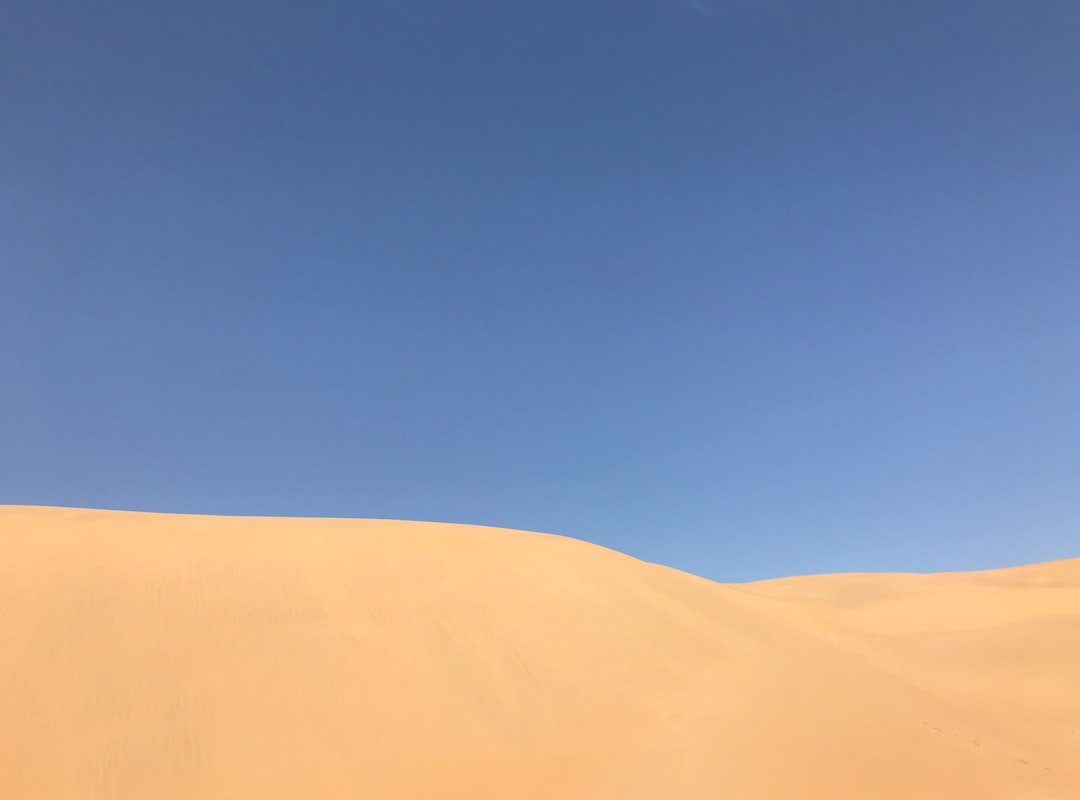
The Wahiba Sands is a desert region covering approximately 10,000 square kilometers in Oman. This extensive dune field features sand formations that are continuously reshaped by wind patterns. The dunes display color variations throughout the day, with particularly notable hues during sunrise when the landscape exhibits orange and red tones.
The area represents significant geological processes that have occurred over time. The dunes in Wahiba Sands reach heights of up to 100 meters, providing panoramic views of the surrounding desert landscape. Visitors can access elevated vantage points to observe the expansive terrain.
The environment is characterized by minimal ambient noise, primarily consisting of wind sounds and occasional wildlife calls. The remote location offers an alternative to more populated areas, providing opportunities for environmental appreciation and solitude.
Bedouin Culture and Hospitality
The Bedouin people, who have inhabited the Wahiba Sands for centuries, embody a rich cultural heritage that is deeply intertwined with the desert landscape. Their nomadic lifestyle has shaped their customs, traditions, and values, emphasizing hospitality, generosity, and respect for nature. When visiting the Wahiba Sands, one is often welcomed into a Bedouin camp, where the warmth of their hospitality is palpable.
Guests are greeted with traditional Arabic coffee and dates, a gesture that signifies friendship and respect. Bedouin culture is characterized by its strong sense of community and family ties. Storytelling plays a vital role in preserving their history and traditions, with tales passed down through generations.
These narratives often revolve around themes of bravery, love, and survival in the harsh desert environment. Engaging with Bedouin families provides visitors with an opportunity to learn about their way of life, including their unique crafts such as weaving and pottery. This cultural exchange enriches the travel experience, fostering a deeper understanding of the resilience and adaptability of the Bedouin people.
Dune Bashing and Desert Safaris
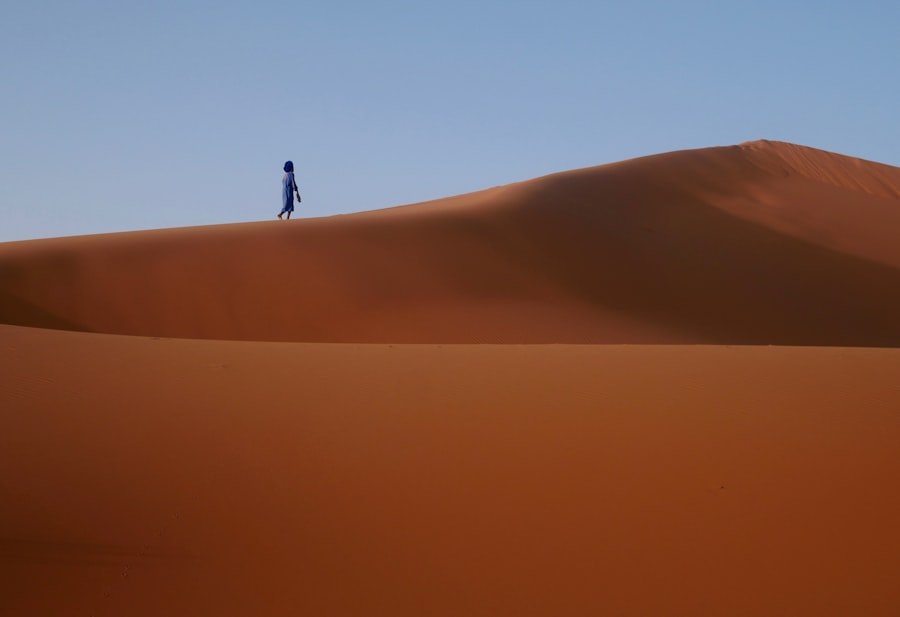
For those seeking an adrenaline rush amidst the tranquil beauty of the Wahiba Sands, dune bashing offers an exhilarating adventure. This thrilling activity involves driving powerful 4×4 vehicles over the steep slopes and valleys of the dunes, creating an experience filled with excitement and laughter. Skilled drivers navigate the shifting sands with precision, allowing passengers to feel the thrill of weightlessness as they ascend and descend steep dunes.
The sensation of speed combined with the stunning desert scenery creates an unforgettable experience that appeals to adventure seekers. Desert safaris often include a variety of activities beyond dune bashing. Many tours offer opportunities for sandboarding, where participants can glide down the slopes on specially designed boards, adding an element of fun to the desert exploration.
Additionally, camel rides are frequently incorporated into these excursions, allowing visitors to experience the traditional mode of transport used by Bedouins for centuries. As the sun sets over the horizon, casting a golden glow across the dunes, safari guides often set up camp for a traditional dinner under the stars, creating a perfect end to an action-packed day.
Stargazing in the Omani Desert
The remote location of the Wahiba Sands makes it an ideal destination for stargazing enthusiasts. With minimal light pollution and clear skies, visitors can witness a celestial spectacle that is often obscured in urban areas. As night falls, the desert transforms into a canvas of stars, with constellations twinkling brightly against the dark backdrop.
The Milky Way stretches across the sky like a shimmering river, inviting observers to lose themselves in its beauty. Many desert camps offer guided stargazing experiences, where knowledgeable guides share insights about astronomy and local legends associated with various constellations. This immersive experience allows participants to connect not only with the cosmos but also with ancient Bedouin beliefs that view the stars as navigational aids and symbols of hope.
The tranquility of the desert at night enhances this experience, as visitors lie on blankets or reclining chairs, enveloped in silence while gazing up at the infinite universe above.
Camel Trekking and Desert Camping
| Experience | Location | Duration | Best Time to Visit | Key Highlights |
|---|---|---|---|---|
| Overnight Desert Camping | Wahiba Sands | 1-2 Nights | October to April | Traditional Bedouin tents, stargazing, desert bonfires |
| Dune Bashing | Wahiba Sands | 2-3 Hours | October to April | 4×4 off-road adventure, thrilling sand dunes ride |
| Desert Wildlife Safari | Empty Quarter (Rub’ al Khali) | Full Day | November to March | Spotting Arabian oryx, desert foxes, and rare birds |
| Sunset Camel Trekking | Wahiba Sands | 2-3 Hours | October to April | Traditional camel ride, scenic desert sunset views |
| Sandboarding | Wahiba Sands | 1-2 Hours | October to April | Sliding down high dunes, fun desert sport |
| Desert Cultural Tours | Wahiba Sands & Surroundings | Half Day to Full Day | Year-round | Visit Bedouin villages, learn traditional crafts and lifestyle |
Camel trekking is an iconic activity that allows travelers to explore the Wahiba Sands at a leisurely pace while immersing themselves in Bedouin traditions. Known as “ships of the desert,” camels have been integral to Bedouin life for centuries, serving as reliable companions for transportation and trade. Guided camel treks can vary in duration from a few hours to several days, providing participants with an authentic glimpse into nomadic life.
During longer treks, travelers often camp under the stars in traditional Bedouin-style tents. These camps are equipped with essential amenities while maintaining an authentic atmosphere that reflects Bedouin culture. Evenings around the campfire are filled with storytelling, music, and traditional dance performances that celebrate Omani heritage.
The experience fosters camaraderie among participants as they share stories and laughter under a blanket of stars.
Exploring Desert Forts and Castles
The Wahiba Sands region is not only known for its stunning landscapes but also for its historical significance marked by ancient forts and castles that dot the desert landscape. These structures serve as reminders of Oman’s rich history and strategic importance in trade routes across Arabia. One notable example is Al-Mintirib Fort, which offers panoramic views of the surrounding dunes and valleys.
Exploring these forts provides insight into Oman’s architectural heritage and military history. Many forts were built during periods of conflict to protect against invasions or to control trade routes. Visitors can wander through narrow passageways and climb towers that once served as lookout points for approaching caravans or enemies.
The intricate designs and craftsmanship reflect the skills of Omani artisans throughout history. Guided tours often include stories about significant events that took place within these walls, enriching visitors’ understanding of Oman’s past.
Desert Wildlife and Flora
Despite its arid conditions, the Wahiba Sands is home to a surprising diversity of wildlife and flora adapted to survive in this harsh environment. Species such as Arabian oryx, sand gazelles, and various reptiles can be spotted if one knows where to look. The oryx, once on the brink of extinction due to hunting and habitat loss, has made a remarkable comeback thanks to conservation efforts in Oman.
Observing these majestic creatures in their natural habitat is a highlight for many visitors. The flora of the Wahiba Sands is equally fascinating. While it may appear barren at first glance, various hardy plants thrive in this environment.
Species such as ghaf trees and wild grasses have adapted to conserve water and withstand extreme temperatures. Guided nature walks often reveal hidden gems like vibrant desert flowers that bloom after rare rainfall events. Understanding this delicate ecosystem enhances appreciation for the resilience of life in one of Earth’s most challenging environments.
Traditional Omani Cuisine in the Desert
No visit to the Wahiba Sands would be complete without indulging in traditional Omani cuisine, which reflects a rich tapestry of flavors influenced by centuries of trade and cultural exchange. Meals are often prepared using age-old recipes passed down through generations, showcasing local ingredients such as lamb, chicken, rice, and spices like saffron and cardamom. Dining experiences in desert camps typically feature communal meals served on large platters where guests can share dishes like shuwa—a slow-cooked lamb marinated in spices and wrapped in banana leaves before being buried underground for hours to achieve tender perfection.
Accompanying dishes may include fragrant rice pilaf or fresh salads made from locally sourced vegetables. The meal is often complemented by sweet dates or traditional desserts like halwa—a spiced sweet treat made from sugar, rosewater, and nuts. The communal aspect of dining reflects Bedouin hospitality; sharing food fosters connections among guests while honoring age-old traditions that emphasize generosity and togetherness.
As travelers savor these culinary delights under starlit skies, they partake in an experience that transcends mere sustenance—it’s a celebration of culture, history, and community woven into every bite.
FAQs
What makes the desert experiences in Oman unique?
Oman’s desert experiences are unique due to the country’s vast and diverse desert landscapes, including the famous Wahiba Sands. The combination of traditional Bedouin culture, stunning sand dunes, and opportunities for activities like camel trekking, dune bashing, and stargazing contribute to a distinctive desert adventure.
Where are the main desert areas to visit in Oman?
The primary desert area to visit in Oman is the Wahiba Sands, also known as Sharqiya Sands. Other notable desert regions include the Empty Quarter (Rub’ al Khali) in the southern part of Oman, which is one of the largest sand deserts in the world.
What activities can tourists enjoy in Oman’s deserts?
Tourists can enjoy a variety of activities such as camel rides, 4×4 dune bashing, sandboarding, camping under the stars, visiting Bedouin camps, and exploring desert wildlife. Cultural experiences like traditional music and cuisine are also common.
When is the best time to visit the deserts in Oman?
The best time to visit Oman’s deserts is during the cooler months from October to April. During this period, daytime temperatures are more comfortable for outdoor activities, and nights can be chilly but pleasant for camping.
Are there guided tours available for desert experiences in Oman?
Yes, there are many guided tours available that offer desert safaris, cultural experiences, and adventure activities. These tours often include transportation, meals, and overnight camping options, ensuring a safe and immersive experience.
Is it safe to visit the deserts in Oman?
Yes, visiting the deserts in Oman is generally safe, especially when done with experienced guides or tour operators. It is important to be prepared for extreme temperatures, stay hydrated, and follow safety instructions during activities.
What should visitors bring for a desert trip in Oman?
Visitors should bring sun protection (hat, sunscreen, sunglasses), comfortable clothing suitable for hot days and cool nights, sturdy footwear, plenty of water, a camera, and any personal medications. For overnight stays, warm clothing and camping gear may be necessary if not provided by the tour operator.
Can visitors experience Bedouin culture in Oman’s deserts?
Yes, many desert tours include visits to Bedouin camps where visitors can learn about traditional lifestyles, enjoy local food, listen to music, and sometimes participate in cultural activities, providing an authentic insight into Omani desert heritage.