
The balance between academics and extracurricular activities is a critical aspect of a student’s life that can significantly influence their overall development. Engaging in extracurricular activities, such as sports, music, or clubs, provides students with opportunities to cultivate skills that are not typically addressed in the classroom. These activities foster teamwork, leadership, and time management skills, which are essential for personal and professional success.
For instance, a student who participates in a debate club not only hones their public speaking abilities but also learns to think critically and articulate their thoughts clearly. This multifaceted development is crucial in preparing students for the complexities of adult life. Moreover, the interplay between academics and extracurriculars can enhance a student’s academic performance.
Research has shown that students who engage in extracurricular activities often exhibit improved grades and higher levels of motivation. The discipline required to balance both spheres encourages students to develop effective study habits and organizational skills. For example, a student who plays on a sports team must learn to manage their time efficiently to accommodate practices and games while keeping up with homework and studying for exams.
This dual commitment can lead to a more structured approach to their academic responsibilities, ultimately resulting in better educational outcomes.
Prioritizing and Time Management
Effective prioritization and time management are essential skills for students striving to balance their academic responsibilities with extracurricular commitments. The ability to discern what tasks are most important and urgent can significantly reduce stress and enhance productivity. Students can benefit from creating a detailed schedule that outlines their daily activities, including class times, study sessions, and extracurricular events.
By allocating specific time slots for each task, students can visualize their commitments and ensure that they are dedicating adequate time to both academics and extracurriculars. In addition to scheduling, students should also learn to prioritize tasks based on deadlines and importance. For instance, if a student has an upcoming exam and a club meeting on the same day, they must assess which activity requires immediate attention.
This might mean dedicating more time to studying for the exam while still participating in the club meeting, albeit with less preparation. Utilizing tools such as planners or digital calendars can aid in this process, allowing students to set reminders for important deadlines and commitments. By mastering these skills, students can navigate their busy schedules more effectively, leading to a more balanced and fulfilling experience.
Setting Realistic Goals
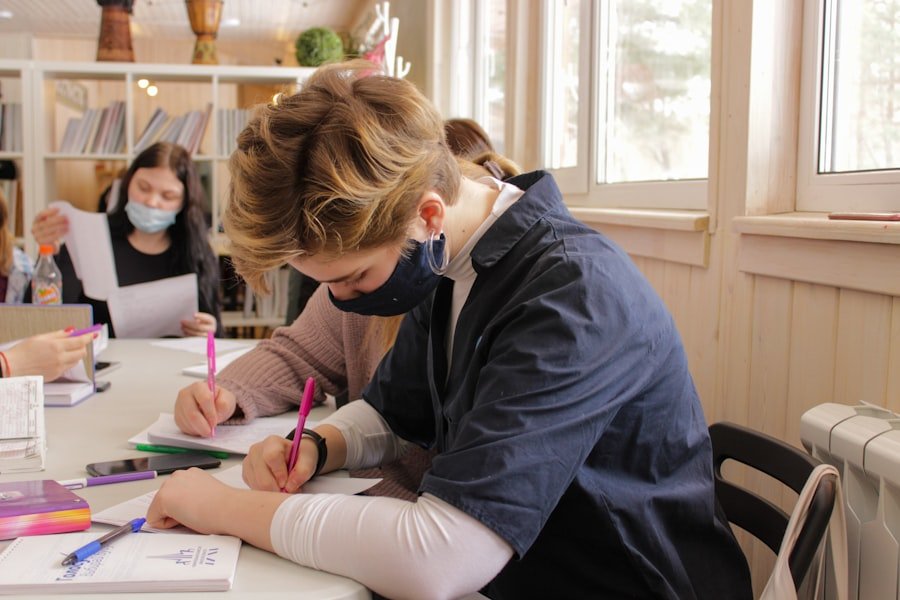
Setting realistic goals is a fundamental aspect of maintaining balance between academics and extracurricular activities. Students often face pressure to excel in multiple areas simultaneously, which can lead to burnout if expectations are not aligned with their capabilities. It is crucial for students to establish achievable short-term and long-term goals that reflect their interests and strengths.
For example, a student may set a goal to improve their math grade by a certain percentage over the semester while also aiming to participate in a school play. By breaking down these larger objectives into smaller, manageable tasks, students can track their progress without feeling overwhelmed. Furthermore, it is important for students to regularly assess their goals and adjust them as necessary.
Life circumstances, such as changes in family responsibilities or unexpected academic challenges, may require students to reevaluate their commitments. A student who initially aimed to participate in multiple clubs may find that they can only realistically commit to one or two due to increased academic demands. By being flexible and open to change, students can maintain a sense of accomplishment without compromising their well-being or academic performance.
Communicating with Teachers and Coaches
Open communication with teachers and coaches is vital for students striving to balance academics with extracurricular activities. Establishing a rapport with educators allows students to express their concerns regarding workload or scheduling conflicts. For instance, if a student is struggling to keep up with assignments due to extensive practice hours for a sport, they should feel empowered to discuss this with their teacher.
Many educators are understanding and willing to provide accommodations or extensions when they recognize that a student is genuinely committed to both their studies and extracurricular pursuits. Additionally, coaches play an integral role in supporting students’ academic success. A coach who understands the academic pressures faced by their athletes can help create a culture that values education alongside sportsmanship.
For example, some coaches implement study sessions before practices or games, encouraging athletes to complete homework or review material together. This collaborative approach not only reinforces the importance of academics but also fosters camaraderie among team members. By maintaining open lines of communication with both teachers and coaches, students can create an environment that supports their dual commitments.
Taking Care of Mental and Physical Health
| Metric | Description | Recommended Value/Range | Tips for Improvement |
|---|---|---|---|
| Weekly Study Hours | Number of hours dedicated to academic work per week | 15-25 hours | Use a planner to schedule study sessions; prioritize difficult subjects |
| Extracurricular Activity Hours | Hours spent on clubs, sports, arts, or volunteering weekly | 5-10 hours | Choose activities that align with interests and time availability |
| Time Management Score | Self-assessed efficiency in managing time (scale 1-10) | 7 or above | Use time-blocking techniques and avoid procrastination |
| Sleep Hours per Night | Average hours of sleep each night | 7-9 hours | Maintain a consistent sleep schedule; avoid late-night studying |
| Stress Level | Self-reported stress on balancing academics and extracurriculars (scale 1-10) | Below 5 | Practice relaxation techniques; seek support when needed |
| Academic Performance (GPA) | Grade point average reflecting academic success | 3.0 or higher (on 4.0 scale) | Focus on consistent study habits and seek help when struggling |
| Extracurricular Leadership Roles | Number of leadership positions held in activities | 1-2 roles | Take on manageable leadership roles to build skills without overload |
The importance of mental and physical health cannot be overstated when it comes to balancing academics and extracurricular activities. Students often find themselves juggling numerous responsibilities, which can lead to stress, anxiety, and burnout if not managed properly. Prioritizing self-care is essential for maintaining overall well-being.
This includes ensuring adequate sleep, engaging in regular physical activity, and practicing mindfulness techniques such as meditation or deep breathing exercises. For instance, a student who incorporates short breaks into their study routine may find that they are more focused and productive when they return to their work. Moreover, recognizing the signs of mental fatigue is crucial for students striving for balance.
If a student begins to feel overwhelmed or disengaged from both their studies and extracurricular activities, it may be time to reassess their commitments. Seeking support from mental health professionals or school counselors can provide valuable strategies for coping with stressors. Additionally, fostering healthy relationships with peers can create a supportive network where students feel comfortable discussing their challenges and seeking advice on managing their responsibilities.
Finding a Support System

A robust support system is instrumental in helping students navigate the complexities of balancing academics with extracurricular activities. This network can include family members, friends, teachers, coaches, and mentors who provide encouragement and guidance throughout the student’s journey. For instance, parents who actively engage in their child’s academic life can offer assistance with homework or help create a conducive study environment at home.
Similarly, friends who share similar goals can motivate each other to stay focused on both academic achievements and extracurricular involvement. In addition to familial support, mentorship plays a significant role in helping students find balance. Mentors can provide insights based on their own experiences and offer advice on managing time effectively or setting realistic goals.
Schools often have programs that connect students with mentors who have expertise in specific fields or interests. This relationship not only fosters personal growth but also encourages students to pursue their passions while maintaining academic integrity.
Learning to Say No
One of the most challenging yet essential skills for students is learning how to say no when necessary. The desire to participate in every opportunity can lead to overcommitment, which ultimately detracts from both academic performance and personal well-being. Students must recognize that it is perfectly acceptable to decline invitations or opportunities that do not align with their priorities or current capacity.
For example, if a student is already involved in several clubs but receives an invitation to join another one that seems appealing, they should evaluate whether they have the time and energy to commit fully. Saying no does not equate to failure; rather, it reflects self-awareness and an understanding of one’s limits. Students should practice assertiveness when declining additional responsibilities by communicating their reasons respectfully but firmly.
This skill not only helps maintain balance but also fosters respect from peers who understand the importance of prioritizing commitments effectively.
Reflecting and Re-evaluating
Regular reflection and re-evaluation of one’s commitments are crucial for maintaining balance between academics and extracurricular activities over time. Students should periodically assess how well they are managing their responsibilities and whether they are achieving their goals. This reflective practice allows them to identify areas where they may be overextended or underperforming.
For instance, at the end of each semester or after significant events like sports seasons or performances, students can take time to evaluate what worked well and what did not. Additionally, re-evaluating commitments provides an opportunity for growth and adaptation. As students progress through their academic careers, their interests may evolve, leading them to seek new opportunities or withdraw from existing ones.
By being open to change and willing to adjust their commitments accordingly, students can ensure that they remain engaged in activities that truly resonate with them while still prioritizing their academic success. This ongoing process of reflection fosters resilience and adaptability—qualities that will serve them well beyond their school years.
FAQs
What are extracurricular activities?
Extracurricular activities are non-academic pursuits that students engage in outside of their regular school curriculum. These can include sports, clubs, music, volunteer work, and other hobbies.
Why is it important to balance academic work with extracurriculars?
Balancing academics with extracurricular activities helps students develop time management skills, reduce stress, and build a well-rounded profile for college or job applications. It also promotes personal growth and social development.
How can students effectively manage their time between academics and extracurriculars?
Students can manage their time by creating a schedule, prioritizing tasks, setting realistic goals, and avoiding procrastination. Using planners or digital calendars can help keep track of deadlines and commitments.
Is it better to focus on a few extracurricular activities or many?
Focusing on a few activities allows for deeper involvement and skill development, while participating in many can provide broader experiences. The best approach depends on individual interests and capacity to manage time effectively.
Can extracurricular activities impact academic performance?
Yes, extracurricular activities can positively impact academic performance by improving skills like discipline and teamwork. However, excessive involvement without proper balance may lead to stress and lower academic achievement.
How can students avoid burnout when balancing academics and extracurriculars?
Students should ensure they get enough rest, maintain a healthy lifestyle, set boundaries, and seek support from teachers, family, or counselors when feeling overwhelmed.
Are extracurricular activities considered in college admissions?
Yes, colleges often consider extracurricular involvement as part of the admissions process to assess a student’s interests, leadership skills, and commitment beyond academics.
What strategies can help students stay motivated in both academics and extracurriculars?
Setting clear goals, celebrating small achievements, maintaining a positive mindset, and finding activities that align with personal interests can help sustain motivation.
How can parents support their children in balancing academics and extracurricular activities?
Parents can support by encouraging open communication, helping with time management, providing resources, and ensuring their child maintains a healthy balance without excessive pressure.
When should a student consider reducing extracurricular commitments?
If extracurricular activities begin to negatively affect academic performance, mental health, or overall well-being, it may be necessary to reduce commitments to maintain a healthy balance.