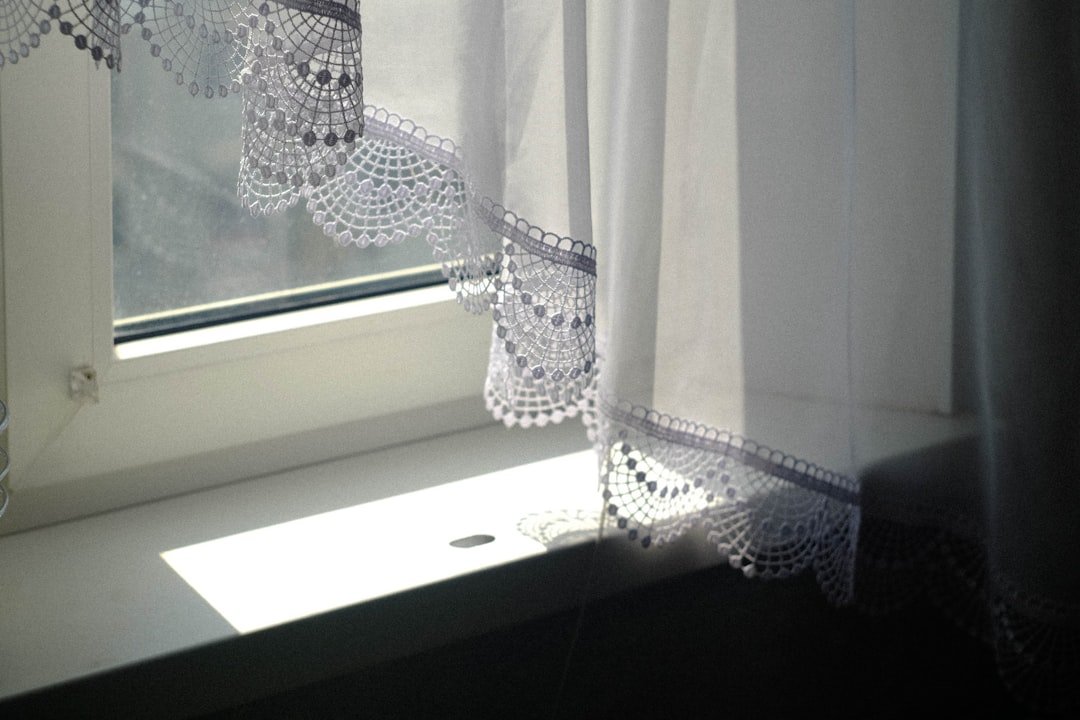
When it comes to selecting window treatments, the first step is to thoroughly understand your privacy needs. Privacy is a fundamental concern for many homeowners, especially in urban environments where homes are closely situated. The level of privacy you require can vary significantly based on the location of your home, the proximity of neighbors, and the specific rooms in which you are installing window treatments.
For instance, bedrooms and bathrooms typically demand higher levels of privacy compared to living rooms or kitchens, where you might prefer a more open and inviting atmosphere. In addition to the physical layout of your home, consider your lifestyle and daily routines. If you often find yourself at home during the day, you may want window treatments that allow for both privacy and natural light.
On the other hand, if you work from home or have a schedule that keeps you indoors during daylight hours, you might prioritize complete privacy over light filtration. Understanding these nuances will help you make informed decisions about the types of window treatments that will best serve your needs.
Assessing Your Style Preferences
Once you have a clear understanding of your privacy requirements, the next step is to assess your style preferences. Window treatments are not merely functional; they also play a significant role in defining the aesthetic of a room. Your personal style can range from modern and minimalist to traditional and ornate, and it’s essential to choose window treatments that complement your existing decor.
For example, if your home features clean lines and a neutral color palette, sleek roller shades or sheer curtains may enhance that contemporary feel. Conversely, if your space is characterized by rich textures and bold colors, drapery with intricate patterns or layered treatments could add depth and interest. Additionally, consider how your window treatments will interact with other design elements in the room.
The color, texture, and pattern of your chosen treatments should harmonize with furniture, wall colors, and flooring. For instance, if you have a rustic farmhouse style with wooden accents, natural fiber shades or linen drapes can create a cohesive look. On the other hand, if your decor leans towards industrial chic, metal blinds or geometric-patterned shades might be more appropriate.
Taking the time to evaluate your style preferences will ensure that your window treatments enhance rather than detract from your overall design vision.
Considering Different Types of Window Treatments

The market offers a plethora of window treatment options, each with its unique characteristics and benefits. Blinds are one of the most versatile choices available; they come in various materials such as wood, faux wood, aluminum, and vinyl. Each material offers different levels of durability and aesthetic appeal.
For example, wooden blinds provide a warm, natural look but may require more maintenance than their vinyl counterparts, which are easier to clean and more resistant to moisture. Shades are another popular option, ranging from simple roller shades to more elaborate Roman shades. Roller shades are known for their sleek appearance and ease of use, making them ideal for modern spaces.
Roman shades add a touch of elegance with their soft folds and can be made from various fabrics to suit different styles. Curtains and drapes offer a more traditional approach to window treatments and can dramatically alter the ambiance of a room. They come in countless styles, lengths, and fabrics, allowing for extensive customization.
When considering different types of window treatments, it’s crucial to weigh their functionality against their aesthetic appeal to find the perfect match for your home.
Choosing the Right Fabric and Material
The choice of fabric and material for your window treatments can significantly impact both their functionality and appearance. When selecting fabric, consider factors such as light filtration, insulation properties, and maintenance requirements. For instance, sheer fabrics allow natural light to filter through while providing some level of privacy; they are ideal for living areas where you want to maintain an airy feel.
Conversely, blackout fabrics are perfect for bedrooms or media rooms where complete darkness is desired for sleeping or watching movies. In addition to light control, the material you choose can affect the overall energy efficiency of your home. Thermal curtains made from heavy fabrics can help insulate windows during colder months, reducing heating costs.
On the other hand, lightweight materials may be more suitable for warmer climates where ventilation is essential. Furthermore, consider the durability of the fabric; some materials may fade or wear out more quickly than others when exposed to sunlight or humidity. By carefully selecting the right fabric and material for your window treatments, you can enhance both their functionality and longevity.
Measuring and Installing Window Treatments
| Window Treatment Type | Privacy Level | Style Options | Light Control | Best For |
|---|---|---|---|---|
| Blinds (Wood, Faux Wood, Aluminum) | High | Modern, Classic, Minimalist | Adjustable slats for variable light | Living rooms, offices, bedrooms |
| Shades (Roman, Roller, Cellular) | Medium to High | Soft, Elegant, Contemporary | Filtered to blackout options | Bedrooms, nurseries, kitchens |
| Curtains/Drapes | Medium to High (depending on fabric) | Traditional, Formal, Casual | Varies by fabric thickness | Living rooms, dining rooms, bedrooms |
| Sheer Curtains | Low | Light, Airy, Romantic | Diffuse natural light | Layering with other treatments, living rooms |
| Frosted or Privacy Window Film | High | Minimalist, Modern | Allows light, blocks view | Bathrooms, offices, street-facing windows |
Accurate measurement is crucial when it comes to installing window treatments; improper measurements can lead to ill-fitting blinds or curtains that fail to provide adequate coverage or aesthetic appeal. Begin by measuring the width and height of your windows using a steel tape measure for precision. It’s advisable to take measurements at multiple points along the window frame since not all windows are perfectly square.
For inside-mounted treatments, subtract a small amount from the width to ensure a snug fit; for outside-mounted treatments, add extra width to allow for better light coverage. Once you have your measurements, the installation process can vary depending on the type of window treatment chosen. Blinds typically come with mounting brackets that need to be securely attached to the wall or window frame.
If you’re installing curtains or drapes, consider the height at which you want to hang them; mounting them higher than the window frame can create an illusion of taller ceilings. Additionally, ensure that all hardware is properly anchored into studs or appropriate wall materials to prevent sagging or falling over time. Taking these steps will ensure that your window treatments not only fit well but also function effectively.
Balancing Privacy and Natural Light
Striking a balance between privacy and natural light is one of the most critical aspects of choosing window treatments. Many homeowners desire bright spaces filled with sunlight while also wanting to shield themselves from prying eyes. This duality can be achieved through various strategies in window treatment selection.
For instance, layered treatments—such as combining sheer curtains with heavier drapes—allow for flexibility in controlling both light and privacy levels throughout the day. Another effective solution is using adjustable blinds or shades that can be tilted or raised according to your needs at any given moment. For example, top-down/bottom-up shades provide the option to lower them from the top while keeping the bottom portion closed, allowing light in while maintaining privacy at eye level.
Additionally, consider using window films that obscure visibility from outside while still permitting natural light to enter; these films come in various designs and can add an artistic touch to your windows without sacrificing functionality.
Incorporating Window Treatments into Your Overall Decor
Window treatments should not be viewed as standalone elements but rather as integral components of your overall decor scheme. The right choice can enhance the visual appeal of a room while also serving practical purposes such as light control and insulation. When incorporating window treatments into your decor, consider how they interact with other design elements such as furniture styles, color palettes, and architectural features.
For example, if you have a modern living room with minimalist furniture and neutral tones, sleek roller shades in a complementary color can maintain that clean aesthetic without overwhelming the space. Alternatively, if your decor features vintage or eclectic elements, patterned drapes can serve as a focal point that ties together various colors and textures throughout the room. Additionally, think about how window treatments can frame views or highlight architectural details like moldings or unique window shapes; this thoughtful integration will elevate both functionality and style in your home.
Maintaining and Cleaning Your Window Treatments
Proper maintenance and cleaning of window treatments are essential for preserving their appearance and functionality over time. Different materials require different care methods; for instance, fabric curtains may need regular washing or dry cleaning depending on their fabric type and exposure to dust or sunlight. It’s advisable to check care labels for specific instructions on cleaning methods to avoid damaging delicate fabrics.
Blinds often require less frequent cleaning but should still be dusted regularly to prevent buildup that can affect their operation and appearance. A microfiber cloth or duster works well for this purpose; for deeper cleaning, many blinds can be removed and washed with mild soap and water if they are made from durable materials like vinyl or aluminum. Additionally, consider using vacuum attachments designed for upholstery when cleaning fabric shades or drapes; this method allows for thorough cleaning without risking damage from excessive moisture or harsh chemicals.
By understanding how to maintain and clean your window treatments effectively, you can ensure they remain an attractive feature in your home while continuing to serve their intended purpose over time.
FAQs
What are the main types of window treatments available for privacy?
The main types of window treatments for privacy include blinds, shades, curtains, and shutters. Each offers varying levels of light control and privacy, with options such as blackout curtains, cellular shades, and plantation shutters providing enhanced privacy.
How do I choose window treatments that balance privacy and natural light?
To balance privacy and natural light, consider treatments like sheer curtains combined with blinds or top-down/bottom-up shades. These allow you to adjust the amount of light entering while maintaining privacy during the day.
What materials are best for window treatments focused on privacy?
Materials such as thick fabrics, blackout liners, and tightly woven weaves are best for privacy. Wood, faux wood, and vinyl are also effective in blinds and shutters for blocking visibility from outside.
Can window treatments improve the style of a room while providing privacy?
Yes, window treatments come in various colors, patterns, and textures that can complement or enhance a room’s décor. Choosing styles that match your interior design can add both privacy and aesthetic appeal.
Are motorized window treatments a good option for privacy and style?
Motorized window treatments offer convenience and can be programmed for optimal privacy and light control. They also provide a sleek, modern look that can enhance the style of a room.
How do I measure my windows for proper window treatment installation?
Measure the width and height of the window frame accurately. Decide whether the treatment will be mounted inside or outside the frame, and follow manufacturer guidelines to ensure a proper fit for privacy and style.
What is the difference between blinds and shades in terms of privacy?
Blinds have slats that can be tilted to control light and privacy, while shades are made of fabric or other materials that can be raised or lowered. Shades generally provide more complete privacy when fully lowered.
How often should window treatments be cleaned to maintain their appearance?
Cleaning frequency depends on the material and environment but generally, window treatments should be dusted weekly and deep cleaned every 6 to 12 months to maintain their appearance and functionality.
Can window treatments help with energy efficiency as well as privacy?
Yes, certain window treatments like cellular shades and insulated curtains can improve energy efficiency by reducing heat loss in winter and heat gain in summer, while also providing privacy.
Are there eco-friendly options for window treatments that offer privacy and style?
Eco-friendly options include treatments made from sustainable materials like bamboo, organic cotton, or recycled fabrics. These options provide privacy and style while minimizing environmental impact.