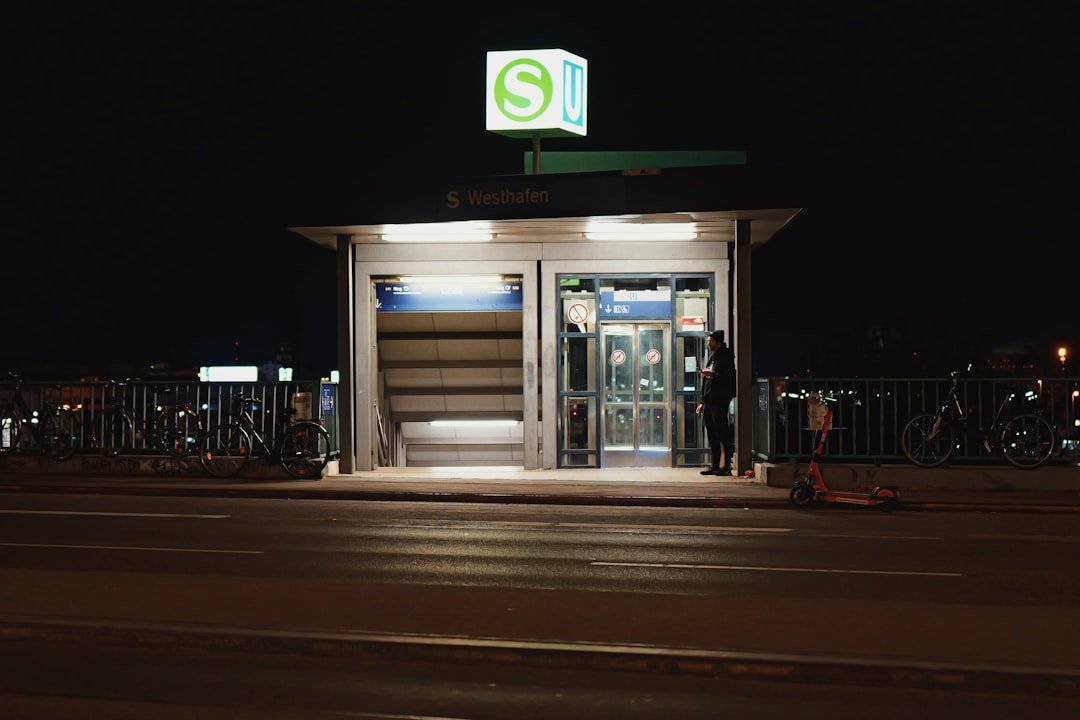
Lighting serves distinct functions in interior and exterior environments, with each type designed to meet specific requirements and operational conditions. Indoor lighting primarily focuses on creating comfortable, functional environments within residential, commercial, and office spaces. These systems support daily activities such as reading, working, and social gatherings while enhancing the visual appeal of interior spaces.
Outdoor lighting addresses different objectives, including safety, security, and navigation in external areas. It illuminates pathways, highlights architectural elements and landscaping features, and provides visibility during nighttime hours in both public and private settings. The technical characteristics of indoor and outdoor lighting systems reflect their distinct operational requirements.
Indoor lighting fixtures typically produce warmer color temperatures, generally ranging from 2700K to 3000K, to create comfortable living and working environments. Common indoor fixtures include chandeliers, recessed downlights, pendant lights, and table lamps, all designed to operate in controlled environmental conditions with stable temperatures and protection from moisture. Outdoor lighting fixtures must meet stringent durability standards to function reliably in variable weather conditions, including precipitation, temperature fluctuations, and UV exposure.
These fixtures are constructed with weather-resistant materials and carry specific ingress protection (IP) ratings for wet or damp locations. Outdoor lighting often employs cooler color temperatures, typically 4000K to 6500K, to maximize visibility and provide effective illumination for security purposes.
Considerations for Indoor Lighting Solutions
When selecting indoor lighting solutions, several factors must be taken into account to ensure that the chosen fixtures meet both aesthetic and functional needs. One of the most critical considerations is the purpose of the space being illuminated. For instance, a kitchen may require bright task lighting for food preparation, while a living room might benefit from softer ambient lighting to create a relaxing atmosphere.
Layering different types of lighting—ambient, task, and accent—can help achieve a well-balanced illumination scheme that caters to various activities within a room. Another important aspect to consider is the color temperature of the light bulbs used in indoor fixtures. Color temperature is measured in Kelvin (K) and can significantly influence the mood of a space.
Warmer tones (around 2700K to 3000K) are often preferred for living areas and bedrooms as they promote relaxation and comfort. In contrast, cooler tones (above 4000K) are more suitable for workspaces like offices or study areas where focus and alertness are essential. Additionally, energy efficiency should be a priority when selecting indoor lighting solutions.
LED bulbs have become increasingly popular due to their longevity and lower energy consumption compared to traditional incandescent bulbs.
Considerations for Outdoor Lighting Solutions
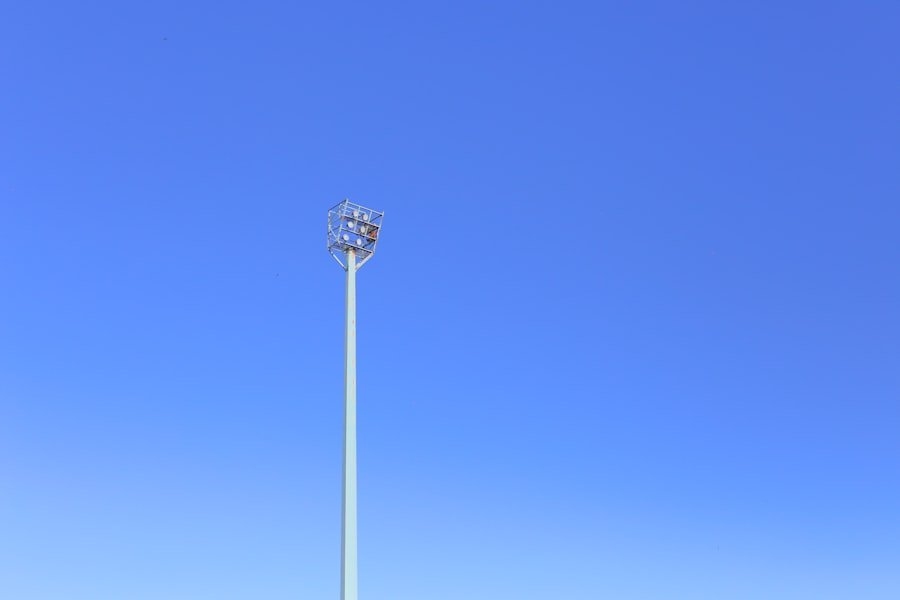
Outdoor lighting solutions require careful planning to ensure they effectively serve their intended purposes while enhancing the overall aesthetics of the exterior space. One of the primary considerations is safety; well-lit pathways, driveways, and entrances can prevent accidents and deter criminal activity. Motion-sensor lights are an excellent option for enhancing security, as they automatically illuminate when movement is detected, providing both convenience and peace of mind.
Another critical factor is the design and style of outdoor lighting fixtures. The chosen fixtures should complement the architectural style of the home or building while also harmonizing with the surrounding landscape. For example, modern homes may benefit from sleek, minimalist fixtures that provide a contemporary look, while traditional homes might be better suited to ornate lanterns or sconces that reflect classic design elements.
Furthermore, the placement of outdoor lights is essential; strategically positioning lights can highlight landscaping features such as trees or flower beds while ensuring that walkways are adequately illuminated.
Benefits of Indoor Lighting
Indoor lighting offers numerous benefits that extend beyond mere illumination. One significant advantage is its ability to enhance productivity and mood within a space. Properly designed lighting can reduce eye strain and fatigue in work environments by providing adequate brightness for tasks such as reading or computer work.
Studies have shown that exposure to natural light can improve concentration and overall well-being; therefore, incorporating daylight-mimicking LED bulbs can help replicate this effect in spaces lacking sufficient windows. Moreover, indoor lighting can significantly influence the aesthetic appeal of a room. The right combination of ambient, task, and accent lighting can transform an ordinary space into an inviting environment that reflects personal style.
For instance, using dimmable fixtures allows homeowners to adjust the brightness according to their needs or mood, creating versatility in how a space is experienced throughout the day. Additionally, decorative fixtures such as chandeliers or pendant lights can serve as focal points that enhance the overall design theme of a room.
Benefits of Outdoor Lighting
| Aspect | Indoor Lighting | Outdoor Lighting |
|---|---|---|
| Purpose | Enhance interior aesthetics, provide task lighting, create ambiance | Ensure safety, security, visibility, and highlight outdoor features |
| Light Intensity | Lower to moderate (100-500 lux typical) | Higher intensity (200-1000 lux or more depending on area) |
| Durability | Standard fixtures, less exposure to elements | Weatherproof, resistant to rain, wind, dust, and temperature extremes |
| Energy Efficiency | Often uses LED or CFL for energy savings indoors | High-efficiency LEDs preferred to reduce energy use and maintenance |
| Color Temperature | Warm white (2700K-3500K) common for comfort | Cool white to daylight (4000K-6500K) for visibility and alertness |
| Control Systems | Dimmers, smart controls, motion sensors for ambiance and convenience | Photocells, timers, motion sensors for automatic operation and security |
| Installation Height | Lower mounting (ceiling or wall fixtures) | Higher mounting (poles, building exteriors) for wide coverage |
| Maintenance Frequency | Lower frequency due to protected environment | Higher frequency due to exposure to weather and dirt |
Outdoor lighting provides several advantages that contribute to both safety and enjoyment of exterior spaces. One of the most notable benefits is increased security; well-lit areas deter potential intruders by eliminating dark spots where they could hide. Installing motion-sensor lights around entry points can further enhance security by providing immediate illumination when someone approaches the home.
In addition to safety concerns, outdoor lighting enhances the usability of outdoor spaces after dark. Patios, decks, and gardens can become extensions of living areas when properly illuminated, allowing homeowners to enjoy these spaces for social gatherings or quiet evenings outdoors. Landscape lighting can highlight beautiful features such as trees or water elements, creating an enchanting atmosphere that enhances the overall appeal of a property.
Furthermore, outdoor lighting can increase property value by improving curb appeal; homes with well-designed exterior lighting often attract more buyers due to their inviting appearance.
Potential Drawbacks of Indoor Lighting
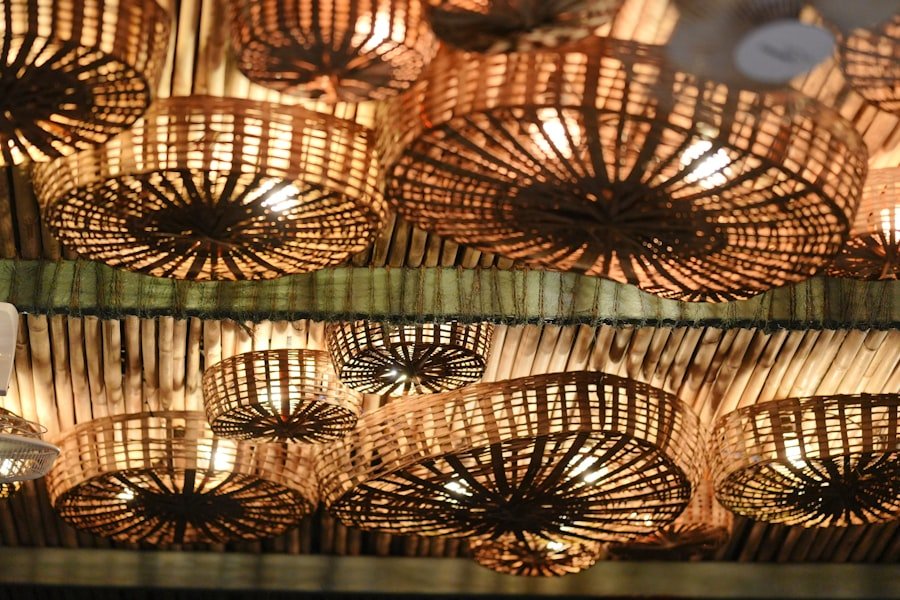
Despite its many advantages, indoor lighting does come with potential drawbacks that should be considered when designing a lighting scheme. One significant concern is energy consumption; traditional incandescent bulbs consume more electricity than their modern counterparts like LEDs or CFLs. This not only leads to higher utility bills but also contributes to environmental concerns related to energy use.
Homeowners should be mindful of their choices and consider investing in energy-efficient options that provide long-lasting illumination without excessive energy costs. Another drawback is the potential for poor lighting design leading to discomfort or dissatisfaction within a space. Overly bright or harsh lighting can create an unwelcoming atmosphere and cause eye strain or headaches for occupants.
Conversely, insufficient lighting can lead to dark corners that feel unsafe or uninviting. Achieving a balance between different types of lighting—ambient, task, and accent—is essential for creating a harmonious environment that meets both functional needs and aesthetic preferences.
Potential Drawbacks of Outdoor Lighting
Outdoor lighting also presents its own set of challenges that must be addressed during planning and installation. One major concern is maintenance; outdoor fixtures are exposed to various weather conditions that can lead to wear and tear over time. Regular maintenance is necessary to ensure that lights remain functional and aesthetically pleasing.
This may involve cleaning fixtures to remove dirt or debris, replacing bulbs as needed, and checking wiring for any signs of damage. Another potential drawback is light pollution; excessive outdoor lighting can disrupt local wildlife and negatively impact the night sky’s visibility for stargazers. Homeowners should be mindful of their outdoor lighting choices by opting for fixtures that minimize glare and direct light downward rather than allowing it to spill into surrounding areas unnecessarily.
This not only helps preserve the natural environment but also creates a more pleasant experience for neighbors who may be affected by overly bright lights.
Choosing between indoor and outdoor lighting solutions requires careful consideration of various factors specific to each environment’s needs. The first step in making an informed decision is assessing the purpose of the space in question—whether it is primarily for indoor activities or outdoor enjoyment will significantly influence the type of lighting required. For instance, if you are looking to create an inviting atmosphere for entertaining guests indoors, focusing on layered ambient lighting with accent features may take precedence over outdoor considerations.
Additionally, understanding how both types of lighting interact with one another can lead to more cohesive design choices throughout your property. For example, if your outdoor space features beautiful landscaping that you want to showcase at night, consider how indoor views from windows will frame this exterior beauty. Selecting complementary styles for both indoor and outdoor fixtures can create a seamless transition between spaces while enhancing overall aesthetics.
Ultimately, making the right choice involves balancing functionality with personal preferences while considering energy efficiency and maintenance requirements for both indoor and outdoor solutions. By carefully evaluating these aspects, homeowners can create well-lit environments that enhance their quality of life while ensuring safety and comfort in every corner of their property.
FAQs
What are the main differences between indoor and outdoor lighting solutions?
Indoor lighting solutions are designed primarily for aesthetics, comfort, and functionality within enclosed spaces, focusing on factors like brightness, color temperature, and energy efficiency. Outdoor lighting solutions, on the other hand, must withstand weather conditions, provide security, and enhance visibility in open environments, often requiring more durable and weather-resistant fixtures.
Why is weather resistance important for outdoor lighting?
Outdoor lighting fixtures are exposed to rain, wind, dust, and temperature fluctuations. Weather resistance ensures that these lights remain functional and safe over time, preventing damage from moisture, corrosion, and extreme temperatures.
Are there differences in the types of bulbs used for indoor and outdoor lighting?
Yes, indoor lighting often uses bulbs optimized for comfort and ambiance, such as LED, incandescent, or CFL bulbs with various color temperatures. Outdoor lighting typically uses bulbs that are more robust and energy-efficient, like LED or high-intensity discharge (HID) lamps, designed to provide bright illumination and withstand environmental stress.
How does energy efficiency compare between indoor and outdoor lighting?
Both indoor and outdoor lighting solutions increasingly use energy-efficient technologies like LEDs. However, outdoor lighting may require higher wattage or specialized fixtures to cover larger areas and ensure safety, which can impact overall energy consumption.
Can indoor lighting fixtures be used outdoors?
Generally, indoor lighting fixtures are not suitable for outdoor use because they lack the necessary weatherproofing and durability. Using indoor fixtures outdoors can lead to electrical hazards and reduced lifespan of the lighting.
What are common applications for outdoor lighting?
Outdoor lighting is commonly used for security (e.g., floodlights), landscape illumination, pathway lighting, architectural highlighting, and outdoor living spaces like patios and decks.
How does lighting design differ between indoor and outdoor environments?
Indoor lighting design focuses on creating comfortable and visually appealing environments with layered lighting (ambient, task, accent). Outdoor lighting design prioritizes safety, security, and highlighting features while minimizing light pollution and energy use.
Is maintenance different for indoor versus outdoor lighting?
Yes, outdoor lighting generally requires more frequent maintenance due to exposure to environmental elements, including cleaning, bulb replacement, and fixture inspection to ensure safety and performance. Indoor lighting maintenance is typically less demanding.