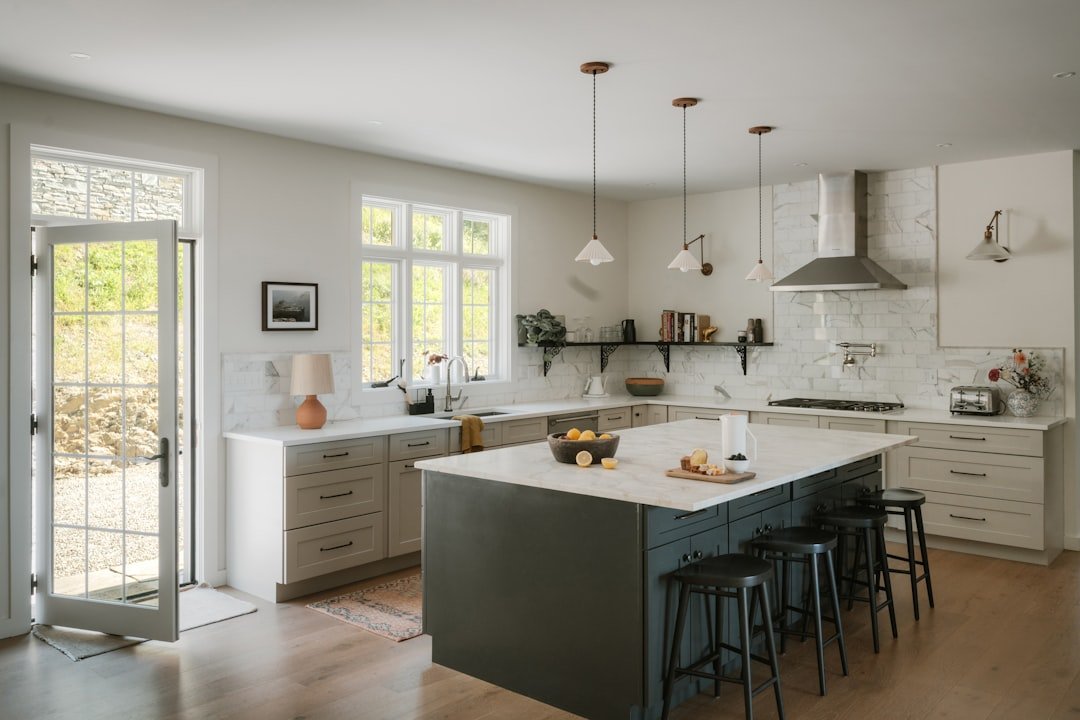
Ergonomic design is a critical aspect of creating a workspace that promotes health, comfort, and productivity. The principles of ergonomics focus on optimizing the interaction between individuals and their work environment, ensuring that tools, furniture, and equipment are tailored to fit the user’s needs. For instance, an ergonomic chair is designed to support the natural curvature of the spine, reducing the risk of back pain and discomfort during long hours of sitting.
Features such as adjustable seat height, lumbar support, and armrests can significantly enhance the user experience, allowing individuals to maintain a healthy posture while working. Moreover, the arrangement of workstations plays a vital role in ergonomic design. Desks should be at an appropriate height to allow for comfortable typing and viewing of screens without straining the neck or wrists.
The placement of monitors is equally important; they should be positioned at eye level to minimize neck strain. Additionally, incorporating standing desks or sit-stand workstations can encourage movement throughout the day, which is essential for maintaining energy levels and reducing fatigue. By prioritizing ergonomic design, organizations can foster a healthier work environment that not only enhances employee well-being but also boosts overall productivity.
Proper Lighting
Proper lighting is another fundamental element in creating an effective workspace. The right lighting can significantly influence mood, focus, and overall productivity. Natural light is often considered the gold standard; studies have shown that exposure to daylight can enhance alertness and improve mood.
Workspaces with large windows or skylights allow natural light to flood in, reducing reliance on artificial lighting and creating a more inviting atmosphere. However, it’s essential to manage glare from direct sunlight, which can be distracting and counterproductive. Utilizing adjustable blinds or shades can help control light levels while still benefiting from natural illumination.
In addition to natural light, the quality of artificial lighting is crucial. A combination of ambient, task, and accent lighting can create a well-lit environment that caters to various activities. For instance, ambient lighting provides general illumination, while task lighting focuses on specific areas where detailed work is performed, such as desks or workbenches.
LED lights are often favored for their energy efficiency and longevity, but it’s important to choose bulbs with a color temperature that mimics natural light to reduce eye strain. By thoughtfully considering lighting options, organizations can create a workspace that not only enhances visibility but also promotes a positive and energizing atmosphere.
Efficient Storage
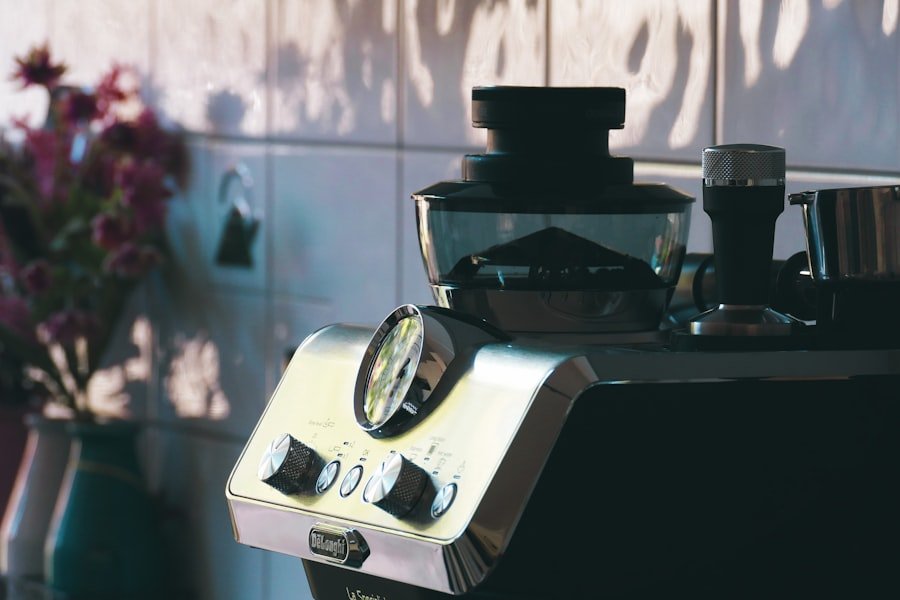
Efficient storage solutions are essential for maintaining an organized and clutter-free workspace. A well-structured storage system allows employees to easily access necessary materials while minimizing distractions caused by disorganization. Implementing a variety of storage options—such as shelves, cabinets, and filing systems—can cater to different needs and preferences.
For example, open shelving can provide quick access to frequently used items, while closed cabinets can help conceal less frequently accessed materials, contributing to a cleaner aesthetic. Incorporating digital storage solutions is also becoming increasingly important in modern workspaces. Cloud-based systems allow for easy access to documents and files from any location, reducing the need for physical storage space.
This transition not only declutters physical environments but also enhances collaboration among team members who can share and edit documents in real-time. Furthermore, utilizing mobile storage units can provide flexibility in workspace design; these units can be moved as needed to accommodate changing team dynamics or project requirements. By prioritizing efficient storage solutions, organizations can create a more functional workspace that supports productivity and collaboration.
Non-toxic Materials
The choice of materials used in a workspace has significant implications for employee health and well-being. Non-toxic materials are essential for creating a safe environment free from harmful chemicals that can contribute to health issues such as respiratory problems or skin irritations. When selecting furniture, flooring, and finishes, it is crucial to consider options that are low in volatile organic compounds (VOCs) and other harmful substances.
For instance, using water-based paints instead of traditional oil-based paints can significantly reduce indoor air pollution. Additionally, sustainable materials such as bamboo or reclaimed wood not only offer aesthetic appeal but also contribute to a healthier environment by minimizing the ecological footprint. These materials are often sourced responsibly and treated with non-toxic finishes that enhance durability without compromising air quality.
Furthermore, incorporating plants into the workspace can improve air quality by filtering out toxins and providing oxygen. By prioritizing non-toxic materials in workspace design, organizations demonstrate a commitment to employee health while fostering an environment conducive to creativity and productivity.
Air Quality
| Tip | Description | Benefit | Recommended Metric |
|---|---|---|---|
| Ergonomic Counter Height | Set counter height between 36-42 inches to reduce strain while cooking. | Reduces back and neck pain | Counter height: 36-42 inches |
| Proper Lighting | Use a combination of ambient, task, and accent lighting for visibility. | Improves safety and reduces eye strain | Illuminance: 300-500 lux in work areas |
| Ventilation | Install a range hood or exhaust fan to remove smoke and odors. | Improves air quality and reduces moisture | Air changes per hour (ACH): 10-15 |
| Non-slip Flooring | Use slip-resistant materials to prevent falls. | Enhances safety | Coefficient of friction: ≥0.6 |
| Accessible Storage | Organize frequently used items within easy reach. | Increases efficiency and reduces strain | Storage height: 15-48 inches from floor |
| Temperature Control | Maintain kitchen temperature between 68-72°F for comfort. | Enhances comfort during cooking | Temperature: 68-72°F (20-22°C) |
| Use of Natural Materials | Incorporate wood, stone, or bamboo for surfaces and decor. | Promotes a calming environment | Material composition: ≥50% natural materials |
| Proper Sink Placement | Position sink near prep areas to streamline workflow. | Improves kitchen efficiency | Distance between sink and prep area: ≤24 inches |
Air quality is a critical factor that often goes overlooked in workspace design but has profound effects on employee health and performance. Poor air quality can lead to a range of issues including headaches, fatigue, and decreased cognitive function. To ensure optimal air quality, it is essential to incorporate adequate ventilation systems that facilitate the circulation of fresh air throughout the workspace.
This can be achieved through mechanical ventilation systems or by strategically placing windows that allow for natural airflow. In addition to ventilation, the use of air purifiers can significantly enhance indoor air quality by removing pollutants such as dust, allergens, and volatile organic compounds (VOCs). HEPA filters are particularly effective at capturing small particles that may otherwise contribute to respiratory issues.
Furthermore, regular maintenance of HVAC systems is crucial; dirty filters can exacerbate air quality problems by recirculating contaminants back into the environment. By prioritizing air quality in workspace design, organizations can create a healthier atmosphere that supports employee well-being and enhances overall productivity.
Functional Layout
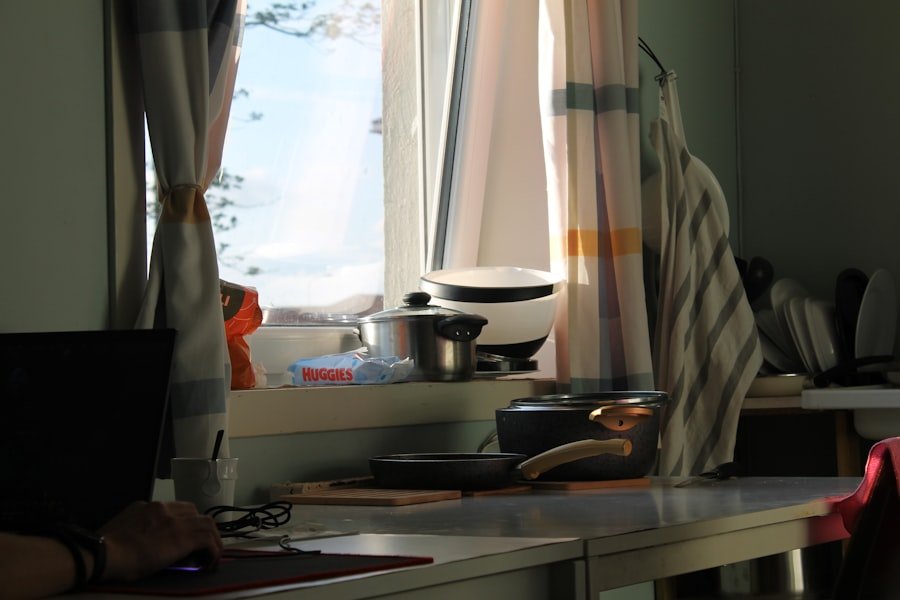
The layout of a workspace plays a pivotal role in determining how effectively employees can collaborate and perform their tasks. A functional layout should facilitate communication while providing designated areas for focused work. Open-plan designs have gained popularity for their ability to foster collaboration; however, they must be balanced with spaces that allow for privacy and concentration.
Incorporating quiet zones or soundproof booths can provide employees with the option to retreat when they need to focus on complex tasks without distractions. Moreover, the flow of movement within the workspace should be carefully considered. Pathways should be clear and intuitive, allowing employees to navigate easily between different areas such as meeting rooms, break areas, and workstations.
Flexible furniture arrangements can also enhance functionality; movable desks or modular seating can adapt to various team sizes or project needs. By designing a functional layout that promotes both collaboration and individual focus, organizations can create an environment that maximizes efficiency and employee satisfaction.
Noise Reduction
Noise reduction is an often underestimated aspect of workspace design that can significantly impact employee concentration and productivity. In open office environments, background noise from conversations, phone calls, and office equipment can create distractions that hinder focus. To mitigate these challenges, incorporating sound-absorbing materials such as acoustic panels or carpets can help dampen noise levels within the space.
These materials are designed to absorb sound waves rather than reflect them, creating a quieter atmosphere conducive to concentration. Additionally, strategic placement of furniture can also play a role in noise reduction. For example, using partitions or screens between workstations can create visual barriers that help minimize auditory distractions.
Furthermore, implementing designated quiet areas where employees can retreat for focused work or phone calls can provide much-needed relief from the hustle and bustle of a busy office environment. By prioritizing noise reduction strategies in workspace design, organizations can foster an atmosphere that enhances focus and overall productivity.
Personalized Touches
Incorporating personalized touches into workspace design is essential for creating an environment where employees feel valued and engaged. Personalization allows individuals to express their identities through their workspaces, fostering a sense of ownership and belonging within the organization. Simple elements such as allowing employees to decorate their desks with personal items—photos, plants, or artwork—can significantly enhance their connection to the space.
Moreover, organizations can encourage personalization at a broader level by incorporating flexible design elements that reflect company culture and values. For instance, creating communal spaces with comfortable seating arrangements encourages social interaction while allowing employees to showcase their creativity through collaborative art projects or community boards displaying achievements and milestones. By embracing personalized touches in workspace design, organizations not only enhance employee satisfaction but also cultivate a vibrant culture that promotes collaboration and innovation.
FAQs
What are some essential tips for creating a comfortable kitchen setup?
To create a comfortable kitchen setup, focus on ergonomic design, adequate lighting, proper ventilation, and organized storage. Ensure countertops and workspaces are at a comfortable height, use task lighting for cooking areas, and maintain good airflow to reduce heat and odors.
How can I make my kitchen healthier?
A healthy kitchen setup includes using non-toxic materials, maintaining cleanliness, proper food storage, and ensuring good ventilation. Incorporate easy-to-clean surfaces, use air purifiers or exhaust fans, and organize food to prevent contamination and spoilage.
What type of lighting is best for a kitchen?
A combination of ambient, task, and accent lighting works best. Bright, adjustable LED lights are energy-efficient and provide clear visibility for cooking and food preparation. Under-cabinet lighting helps illuminate countertops, while overhead lights ensure overall brightness.
How important is ventilation in a kitchen?
Ventilation is crucial for removing cooking odors, smoke, and excess moisture, which helps maintain air quality and prevents mold growth. Installing a range hood or exhaust fan is recommended to improve airflow and keep the kitchen environment healthy.
What materials are recommended for kitchen countertops to ensure comfort and health?
Materials like quartz, granite, and solid surface are durable, non-porous, and easy to clean, making them ideal for healthy kitchens. Avoid porous materials like untreated wood or certain natural stones that can harbor bacteria and stains.
How can I organize my kitchen to improve comfort and efficiency?
Use designated zones for different tasks such as cooking, prepping, and cleaning. Store frequently used items within easy reach, use drawer organizers, and keep countertops clutter-free to enhance workflow and comfort.
Are there ergonomic considerations to keep in mind when designing a kitchen?
Yes, ergonomic considerations include countertop height (typically 36 inches), proper placement of appliances to minimize bending or stretching, and using anti-fatigue mats to reduce strain during prolonged standing.
What role does color play in creating a comfortable kitchen environment?
Colors can affect mood and perception of space. Light, neutral colors can make a kitchen feel larger and more inviting, while bright colors can energize the space. Choose colors that promote a calm and pleasant atmosphere for cooking and dining.