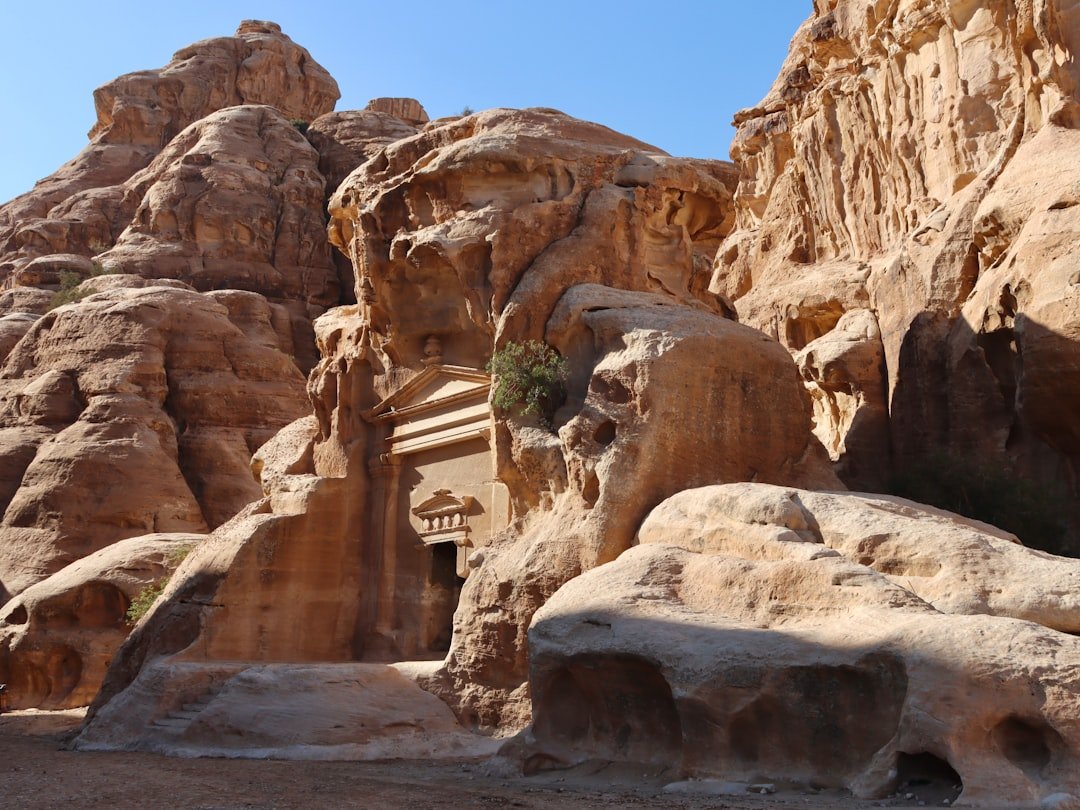
Petra, often referred to as the “Rose City” due to the color of its rock-cut architecture, is one of the most iconic archaeological sites in the world. Nestled in the rugged mountains of southern Jordan, this ancient city was once the thriving capital of the Nabataean Kingdom, flourishing from the 4th century BC until the 2nd century AD. The strategic location of Petra along trade routes connecting Arabia, Egypt, and the Mediterranean made it a vital hub for commerce, where spices, silks, and other valuable goods were exchanged.
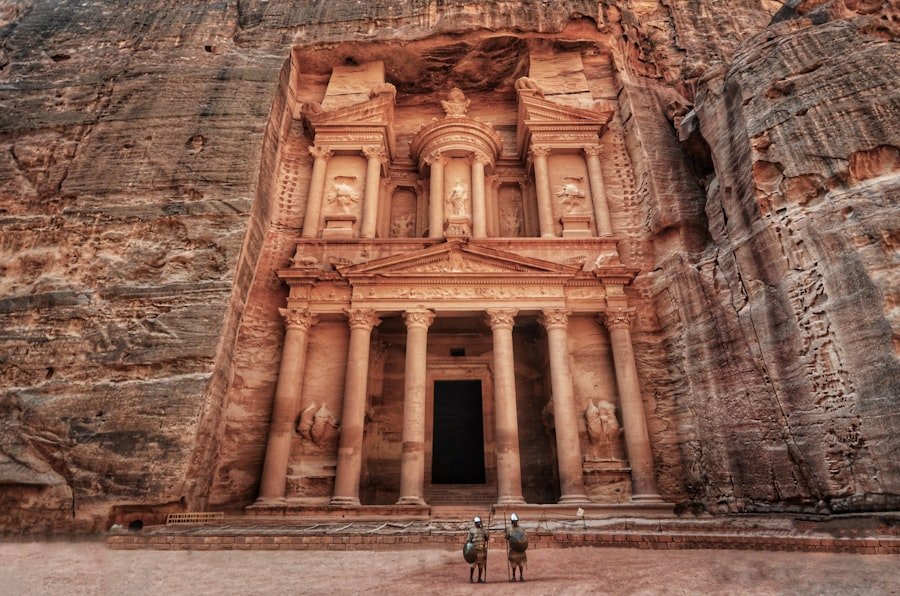
The Nabataeans, skilled in water conservation and engineering, developed an intricate system of cisterns and channels that allowed them to thrive in this arid environment. The architectural marvels of Petra are a testament to the ingenuity of its builders. The most famous structure, Al-Khazneh, or “The Treasury,” is a stunning façade carved directly into the rose-red sandstone cliffs.
Standing at 40 meters high, its elaborate Hellenistic design features Corinthian columns and intricate reliefs that reflect a blend of Eastern and Western influences. Visitors to Petra are often awestruck by the Siq, a narrow gorge that serves as the main entrance to the city. This winding path, flanked by towering cliffs that rise up to 80 meters high, creates a dramatic approach to the ancient site.
As one emerges from the Siq and catches their first glimpse of Al-Khazneh, it is easy to understand why Petra has been designated a UNESCO World Heritage Site and is considered one of the New Seven Wonders of the World.
The Roman Ruins of Jerash
Jerash, known in ancient times as Gerasa, is one of the best-preserved Roman provincial towns in the world. Located about 48 kilometers north of Amman, Jerash boasts an impressive array of ruins that date back to the 1st century AD when it became part of the Decapolis, a group of ten cities that were centers of Greek and Roman culture in the region. The site is characterized by its grand colonnaded streets, temples, theaters, and public buildings that showcase the architectural prowess of Roman engineering.
The combination of well-preserved structures and the surrounding landscape creates a vivid picture of life during the Roman Empire. Among the highlights of Jerash is the Oval Plaza, an expansive open space surrounded by a colonnade of 160 columns. This plaza served as a gathering place for citizens and visitors alike, reflecting the social and political life of the city.
Adjacent to it is the South Theater, which could accommodate up to 3,000 spectators and is renowned for its exceptional acoustics. The theater still hosts performances today, allowing visitors to experience a taste of ancient entertainment. The Temple of Artemis, dedicated to the goddess of fertility and hunting, stands as a testament to Jerash’s significance in religious life during Roman times.
Its towering columns and intricate carvings highlight the artistic achievements of the period and provide insight into the cultural exchanges that occurred in this vibrant city.
The Desert Castles of Jordan
Scattered across the eastern desert of Jordan are a series of remarkable structures known as the Desert Castles. These castles, built between the 7th and 8th centuries during the Umayyad Caliphate, served various purposes ranging from military fortifications to luxurious retreats for the elite. Each castle is unique in its architecture and decoration, reflecting a blend of Islamic art and local traditions.
Among these desert gems are Qasr Amra, Qasr al-Hallabat, and Qasr al-Kharana, each offering a glimpse into the opulent lifestyle of early Islamic rulers. Qasr Amra is perhaps the most famous of these castles, recognized for its stunning frescoes that adorn its walls. These murals depict scenes of hunting, music-making, and even celestial bodies, showcasing a sophisticated understanding of art and culture during this period.
The castle’s bathhouse is another highlight, featuring intricate mosaics that illustrate daily life in Umayyad society. In contrast, Qasr al-Hallabat stands out for its impressive fortifications and large courtyard, which served as a gathering place for visitors and dignitaries. The blend of Roman architectural elements with Islamic design principles at these sites illustrates the cultural syncretism that characterized this era in Jordan’s history.
The Historic Ajloun Castle
Ajloun Castle, also known as Qala’at al-Rabad, is a striking example of Islamic military architecture located in northern Jordan. Built in 1184 by Izz al-Din Usama ibn Munqidh during the reign of Saladin, this fortress was strategically positioned to protect trade routes and defend against Crusader invasions. Its commanding hilltop location offers breathtaking views of the surrounding landscape, including lush forests and rolling hills that contrast sharply with Jordan’s arid regions.
The castle’s design reflects both military functionality and aesthetic appeal. Thick stone walls and towers were constructed to withstand sieges while providing vantage points for surveillance. Inside, visitors can explore various chambers that once housed soldiers and officials.
The castle’s interior features intricate stonework and remnants of ancient furnishings that hint at its former grandeur. Ajloun Castle also played a significant role in local folklore and history; it became a symbol of resistance against foreign invaders and remains an important cultural landmark today. Its preservation allows visitors to step back in time and appreciate the strategic importance of this fortress in shaping Jordan’s historical narrative.
The Religious Sites of Jordan
| Landmark | Location | Historical Period | Significance | Average Visit Duration |
|---|---|---|---|---|
| Petra | Ma’an Governorate | 1st century BC | Ancient Nabatean city, UNESCO World Heritage Site | 4-6 hours |
| Jerash | Jerash Governorate | Roman Period (1st century AD) | One of the best-preserved Roman provincial towns | 2-3 hours |
| Amman Citadel | Amman | Bronze Age to Islamic Period | Historical site with ruins from multiple civilizations | 1-2 hours |
| Madaba | Madaba Governorate | Byzantine Period | Famous for its Byzantine mosaics, including the Madaba Map | 1-2 hours |
| Qasr Amra | Azraq | Umayyad Period (8th century) | Desert castle with well-preserved frescoes | 1 hour |
| Mount Nebo | Madaba Governorate | Biblical Era | Believed to be the site where Moses viewed the Promised Land | 1 hour |
Jordan is home to numerous religious sites that hold significance for various faiths, making it a crossroads for spirituality and pilgrimage. One of the most revered locations is Mount Nebo, where it is believed that Moses viewed the Promised Land before his death. The site features a modern church built on ancient ruins and offers panoramic views over the Jordan Valley and beyond.
Pilgrims from around the world visit Mount Nebo to pay homage to this biblical figure and reflect on their spiritual journeys. Another important religious site is Bethany Beyond the Jordan (Al-Maghtas), recognized as the baptismal site of Jesus Christ. This UNESCO World Heritage Site is located on the banks of the Jordan River and features ancient churches and baptismal pools that date back to early Christianity.
Archaeological excavations have uncovered remnants of Byzantine churches and other structures that highlight its significance as a pilgrimage destination for Christians throughout history. The serene atmosphere along the riverbank invites contemplation and reverence for those who come to connect with their faith in this sacred space.
The Traditional Bedouin Culture
The Bedouins are an integral part of Jordan’s cultural heritage, embodying a way of life that has persisted for centuries amidst changing landscapes and modern influences. Traditionally nomadic herders, Bedouins have adapted to their environment by developing unique customs, social structures, and artistic expressions that reflect their deep connection to the desert. Their hospitality is legendary; visitors are often welcomed into their tents with traditional coffee or tea as a gesture of goodwill.
Bedouin culture is rich in oral traditions, music, and poetry that celebrate their history and values. Storytelling plays a crucial role in preserving their heritage, with tales passed down through generations that recount adventures, love stories, and moral lessons. Traditional crafts such as weaving carpets and creating intricate jewelry showcase their artistic skills while providing practical items for daily life.
In recent years, efforts have been made to promote Bedouin culture through cultural tourism initiatives that allow visitors to experience their way of life firsthand while supporting sustainable practices within these communities.
The Museums of Amman
Amman boasts several museums that offer insights into Jordan’s rich history and diverse cultural heritage. The Jordan Museum stands out as a premier institution dedicated to showcasing artifacts from various periods in Jordanian history. It houses an extensive collection that includes prehistoric tools, ancient pottery, and items from Petra and Jerash.
One notable exhibit is the Dead Sea Scrolls, which provide invaluable insights into early religious texts and practices. Another significant museum is the Royal Automobile Museum, which reflects Jordan’s modern history through its collection of vintage cars owned by King Hussein. This museum not only highlights technological advancements but also tells stories about Jordan’s development over time.
Visitors can explore vehicles ranging from classic cars to military vehicles used during pivotal moments in Jordan’s history. Each museum serves as a gateway for understanding how past events have shaped contemporary Jordanian society while fostering appreciation for its cultural diversity.
The Cultural Festivals of Jordan
Jordan hosts a variety of cultural festivals throughout the year that celebrate its rich heritage and vibrant arts scene. One prominent event is the Jerash Festival of Culture and Arts, held annually in July within the ancient ruins of Jerash. This festival features performances by local and international artists across various disciplines including music, dance, theater, and visual arts.
The backdrop of Roman ruins adds an enchanting atmosphere to performances that draw thousands of visitors each year. Another notable festival is the Amman International Book Fair, which brings together authors, publishers, and literature enthusiasts from around the Arab world and beyond. This event promotes reading culture while providing a platform for discussions on contemporary issues facing society today.
Additionally, local food festivals celebrate Jordanian cuisine by showcasing traditional dishes prepared by skilled chefs from across the country. These festivals not only highlight Jordan’s cultural richness but also foster community engagement through shared experiences centered around art, literature, and gastronomy.
FAQs
What are some must-visit cultural landmarks in Jordan?
Some must-visit cultural landmarks in Jordan include Petra, the ancient Nabatean city; Jerash, known for its well-preserved Roman ruins; the Amman Citadel, which offers historical ruins and panoramic views; and the desert castles such as Qasr Amra and Qasr Al-Kharanah.
Is Petra accessible to tourists year-round?
Yes, Petra is open to tourists year-round. However, the best times to visit are during the spring (March to May) and autumn (September to November) when the weather is milder.
Are there guided tours available for cultural landmarks in Jordan?
Yes, guided tours are widely available for most cultural landmarks in Jordan. Many local tour operators offer guided visits to sites like Petra, Jerash, and the desert castles, providing historical context and insights.
What is the significance of the Amman Citadel?
The Amman Citadel is a historic site located in the capital city of Amman. It contains ruins from various civilizations, including Roman, Byzantine, and Umayyad periods, and is home to important structures such as the Temple of Hercules and the Umayyad Palace.
Can visitors explore the Roman ruins in Jerash independently?
Yes, visitors can explore Jerash independently, but hiring a guide is recommended to fully understand the historical significance of the ruins and to navigate the extensive site.
Are the desert castles in Jordan open to the public?
Most of the desert castles, including Qasr Amra and Qasr Al-Kharanah, are open to the public. They offer a glimpse into early Islamic architecture and history.
What should visitors know before visiting cultural landmarks in Jordan?
Visitors should wear comfortable walking shoes, bring water, and be prepared for varying weather conditions. It is also advisable to respect local customs and regulations, especially when visiting religious or sensitive sites.
Is photography allowed at cultural landmarks in Jordan?
Photography is generally allowed at most cultural landmarks, but some sites may have restrictions on flash photography or inside certain buildings. It is best to check on-site guidelines or ask a guide.