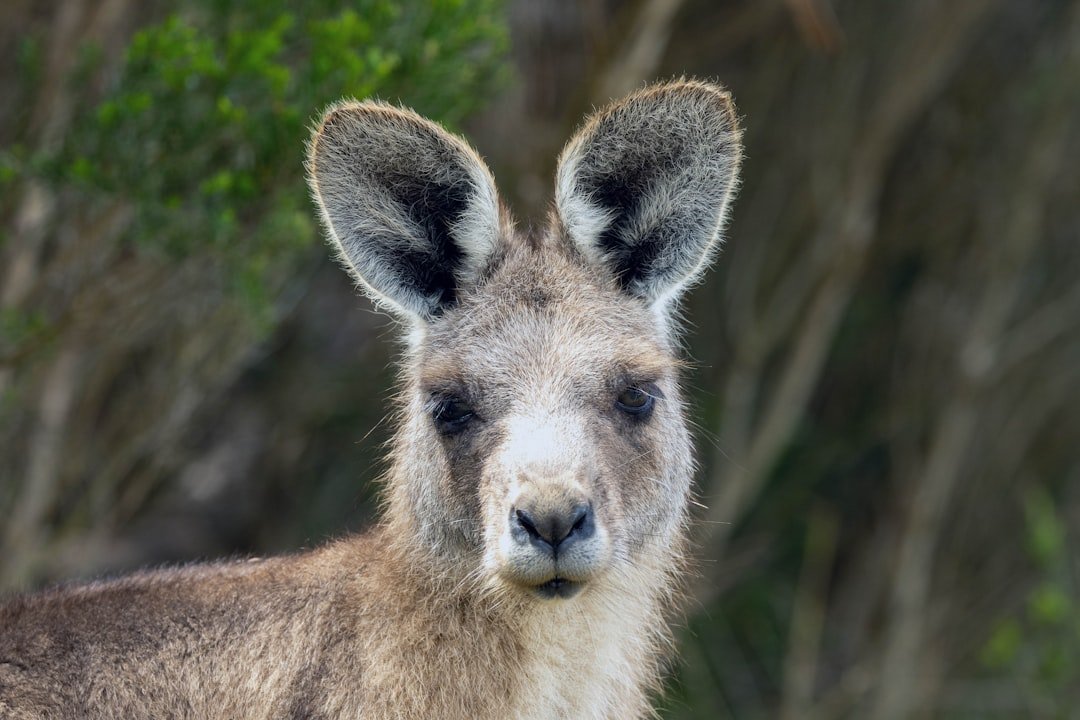
Tasmania, an island state of Australia, is renowned for its breathtaking landscapes and rich biodiversity. Its unique wildlife tourism offers visitors an unparalleled opportunity to engage with some of the most extraordinary species on the planet. The island’s isolation has led to the evolution of a variety of endemic species, making it a hotspot for wildlife enthusiasts and researchers alike.
From the rugged coastlines to the dense forests, Tasmania’s diverse ecosystems provide a sanctuary for wildlife that is both captivating and essential for ecological balance. Wildlife tourism in Tasmania is not merely about observing animals; it is an immersive experience that fosters a deeper understanding of the natural world. Tourists can witness the behaviors and habitats of creatures that are often found nowhere else, such as the Tasmanian devil and the eastern quoll.
This unique aspect of Tasmania’s wildlife tourism not only attracts visitors but also plays a crucial role in raising awareness about conservation efforts and the importance of preserving these species for future generations.
The Top Wildlife Destinations in Tasmania
When it comes to wildlife destinations, Tasmania boasts several remarkable locations that cater to nature lovers. One of the most prominent is Freycinet National Park, famous for its stunning coastal scenery and diverse wildlife. Visitors can hike along the park’s trails, where they might encounter wallabies, echidnas, and a variety of bird species, including the endangered orange-bellied parrot.
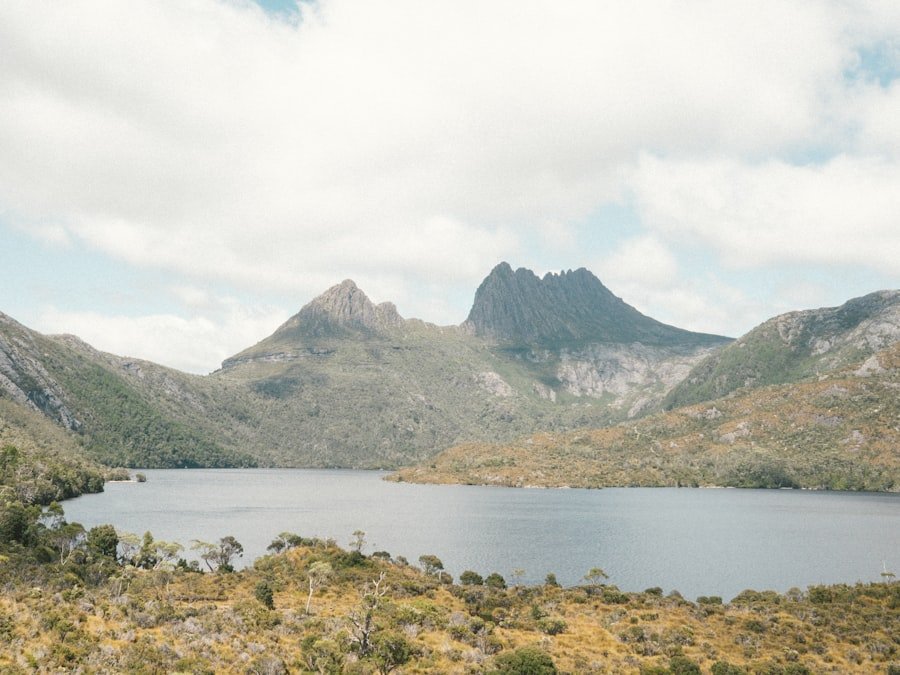
The park’s pristine beaches and crystal-clear waters also provide opportunities for marine wildlife spotting, such as seals and dolphins. Another must-visit destination is Cradle Mountain-Lake St Clair National Park, which is part of the Tasmanian Wilderness World Heritage Area. This park is home to a plethora of wildlife, including wombats, Tasmanian devils, and numerous bird species.
The iconic Cradle Mountain itself serves as a backdrop for breathtaking hikes, where visitors can explore diverse habitats ranging from alpine meadows to temperate rainforests. The park’s well-maintained trails offer ample opportunities for wildlife viewing, making it a favorite among both casual hikers and serious nature enthusiasts.
The Unique Wildlife Species of Tasmania
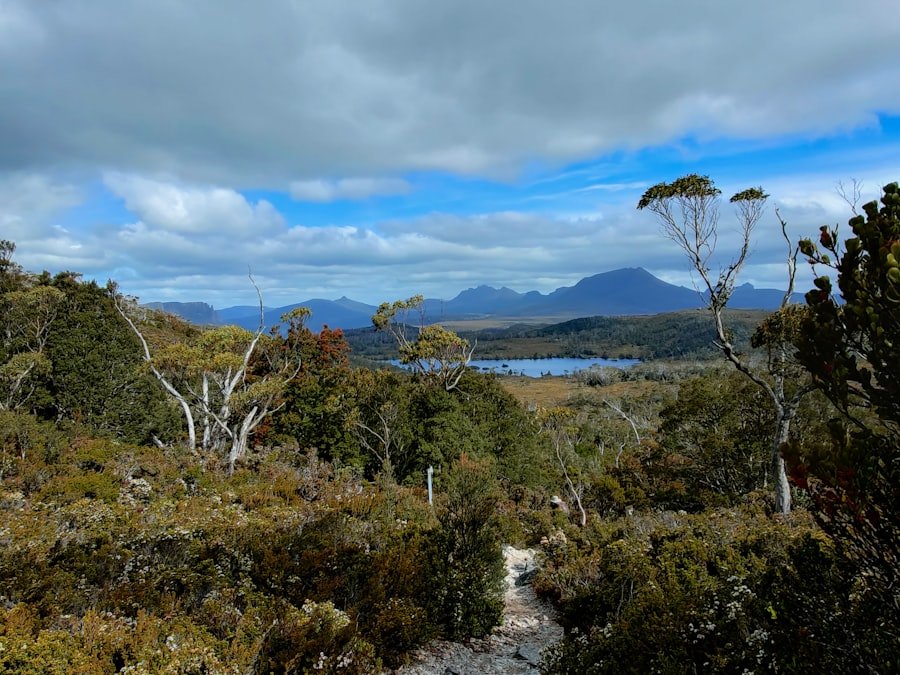
Tasmania is home to a remarkable array of unique wildlife species that have adapted to the island’s distinct environment. The Tasmanian devil, perhaps the most famous of these species, is known for its fierce temperament and distinctive vocalizations. Once widespread across mainland Australia, this carnivorous marsupial is now found only in Tasmania due to habitat loss and disease.
Conservation efforts are underway to protect this iconic species, which has become a symbol of Tasmania’s natural heritage. In addition to the Tasmanian devil, the island is also home to the eastern quoll, a small carnivorous marsupial that was once common on the mainland but has become increasingly rare. The quoll’s striking spotted coat and agile movements make it a fascinating creature to observe in its natural habitat.
Other unique species include the platypus, which can be found in freshwater rivers and streams, and the Tasmanian pademelon, a small wallaby that thrives in forested areas. Each of these species contributes to Tasmania’s rich biodiversity and highlights the importance of preserving their habitats.
The Best Wildlife Tours and Experiences in Tasmania
For those eager to delve deeper into Tasmania’s wildlife offerings, numerous tours and experiences cater to various interests and preferences. Guided night tours are particularly popular, allowing visitors to witness nocturnal creatures in their natural environment. These tours often take place in areas like Bonorong Wildlife Sanctuary, where guests can see Tasmanian devils feeding and learn about their conservation status from knowledgeable guides.
Another exceptional experience is the chance to participate in a wildlife cruise along the Tasman Peninsula. These cruises provide an opportunity to observe marine life up close, including seals basking on rocky outcrops and seabirds soaring overhead. Some tours even offer whale-watching experiences during migration seasons, providing an unforgettable encounter with these majestic creatures.
Whether it’s a guided hike through national parks or a boat tour along the coast, Tasmania offers a wealth of options for wildlife enthusiasts seeking memorable experiences.
Conservation Efforts and Eco-Tourism in Tasmania
| Wildlife Experience | Location | Common Species Seen | Average Duration | Visitor Satisfaction (%) | Best Season |
|---|---|---|---|---|---|
| Tasmanian Devil Spotting | Cradle Mountain | Tasmanian Devil, Quolls | 2 hours | 89 | Autumn – Winter |
| Penguin Parade | Bicheno | Little Penguins | 1.5 hours | 92 | Summer – Autumn |
| Seal Watching Cruise | Freycinet Peninsula | Australian Fur Seals, Dolphins | 3 hours | 87 | Spring – Summer |
| Birdwatching Tour | Maria Island | Forty-spotted Pardalote, Wedge-tailed Eagle | 4 hours | 85 | Spring |
| Platypus Spotting | Derwent River | Platypus | 2 hours | 90 | Summer – Autumn |
Conservation efforts in Tasmania are critical for protecting its unique wildlife and ecosystems. Various organizations work tirelessly to rehabilitate injured animals, restore habitats, and educate the public about the importance of biodiversity. For instance, Bonorong Wildlife Sanctuary plays a vital role in rescuing and rehabilitating injured wildlife while also providing educational programs that raise awareness about conservation issues.
Eco-tourism has emerged as a significant component of Tasmania’s approach to conservation. By promoting sustainable travel practices, eco-tourism initiatives aim to minimize environmental impact while maximizing benefits for local communities and wildlife. Many tour operators adhere to strict guidelines that prioritize animal welfare and habitat preservation.
This approach not only enhances the visitor experience but also ensures that future generations can enjoy Tasmania’s remarkable wildlife.
Tips for Responsible Wildlife Viewing in Tasmania
Engaging with wildlife responsibly is essential for ensuring their safety and well-being. Visitors to Tasmania should adhere to guidelines that promote ethical wildlife viewing practices. One key principle is to maintain a respectful distance from animals; approaching too closely can cause stress or disrupt their natural behaviors.
Using binoculars or telephoto lenses allows for observation without intruding on their space. Additionally, it is crucial to avoid feeding wildlife, as this can lead to dependency on human food sources and alter their natural foraging behaviors. Tourists should also be mindful of their impact on habitats by sticking to designated trails and avoiding trampling vegetation.
By following these guidelines, visitors can enjoy Tasmania’s incredible wildlife while contributing to conservation efforts.
The Importance of Wildlife Tourism for Tasmania’s Economy
Wildlife tourism plays a vital role in Tasmania’s economy, contributing significantly to local communities and conservation initiatives. The influx of tourists seeking unique wildlife experiences generates revenue that supports various sectors, including hospitality, transportation, and guided tours. This economic boost helps sustain jobs and livelihoods in rural areas where traditional industries may be declining.
Moreover, wildlife tourism fosters a sense of stewardship among visitors who develop a deeper appreciation for Tasmania’s natural heritage. As tourists engage with local conservation efforts through eco-tourism initiatives or educational programs, they become advocates for preserving the island’s unique ecosystems. This connection between tourism and conservation creates a positive feedback loop that benefits both the economy and the environment.
Why Tasmania is a Must-Visit Destination for Wildlife Enthusiasts
For wildlife enthusiasts seeking an unforgettable experience, Tasmania stands out as an exceptional destination. Its unique biodiversity, stunning landscapes, and commitment to conservation create an environment where visitors can connect with nature in profound ways. From observing iconic species like the Tasmanian devil to exploring pristine national parks teeming with life, every moment spent in Tasmania offers an opportunity for discovery.
The island’s dedication to responsible tourism ensures that future generations will continue to enjoy its remarkable wildlife. By choosing to visit Tasmania, travelers not only embark on an adventure but also contribute to vital conservation efforts that protect this extraordinary ecosystem. With its unparalleled offerings for wildlife lovers, Tasmania truly deserves its reputation as a must-visit destination for anyone passionate about nature and wildlife conservation.
FAQs
What types of wildlife can I expect to see in Tasmania?
Tasmania is home to a diverse range of wildlife including the Tasmanian devil, wombats, echidnas, platypuses, various bird species, and marine animals such as seals and dolphins.
When is the best time to visit Tasmania for wildlife tourism?
The best time to visit Tasmania for wildlife experiences is during the spring and summer months (September to March) when animals are more active and the weather is milder.
Are there guided wildlife tours available in Tasmania?
Yes, there are many guided wildlife tours available throughout Tasmania, including nocturnal tours to see Tasmanian devils, birdwatching tours, and marine wildlife cruises.
Is it possible to see Tasmanian devils in the wild?
Yes, Tasmanian devils can be seen in the wild, especially in national parks and wildlife reserves. There are also conservation centers where visitors can observe them up close.
What should I bring for a wildlife tour in Tasmania?
It is recommended to bring comfortable walking shoes, weather-appropriate clothing, binoculars, a camera, insect repellent, and water. Always follow the guide’s advice for safety and wildlife protection.
Are there any restrictions or guidelines for interacting with wildlife in Tasmania?
Yes, visitors must follow strict guidelines to avoid disturbing wildlife, including maintaining a safe distance, not feeding animals, and staying on designated paths.
Can I see marine wildlife as part of Tasmania’s wildlife tourism?
Absolutely. Tasmania offers opportunities to see seals, dolphins, whales, and seabirds through boat tours and coastal walks.
Are wildlife tourism experiences in Tasmania suitable for families?
Yes, many wildlife experiences in Tasmania are family-friendly and provide educational opportunities for children to learn about native animals and conservation efforts.
How can I support wildlife conservation while visiting Tasmania?
You can support conservation by choosing eco-friendly tours, respecting wildlife habitats, donating to conservation organizations, and spreading awareness about Tasmania’s unique wildlife.