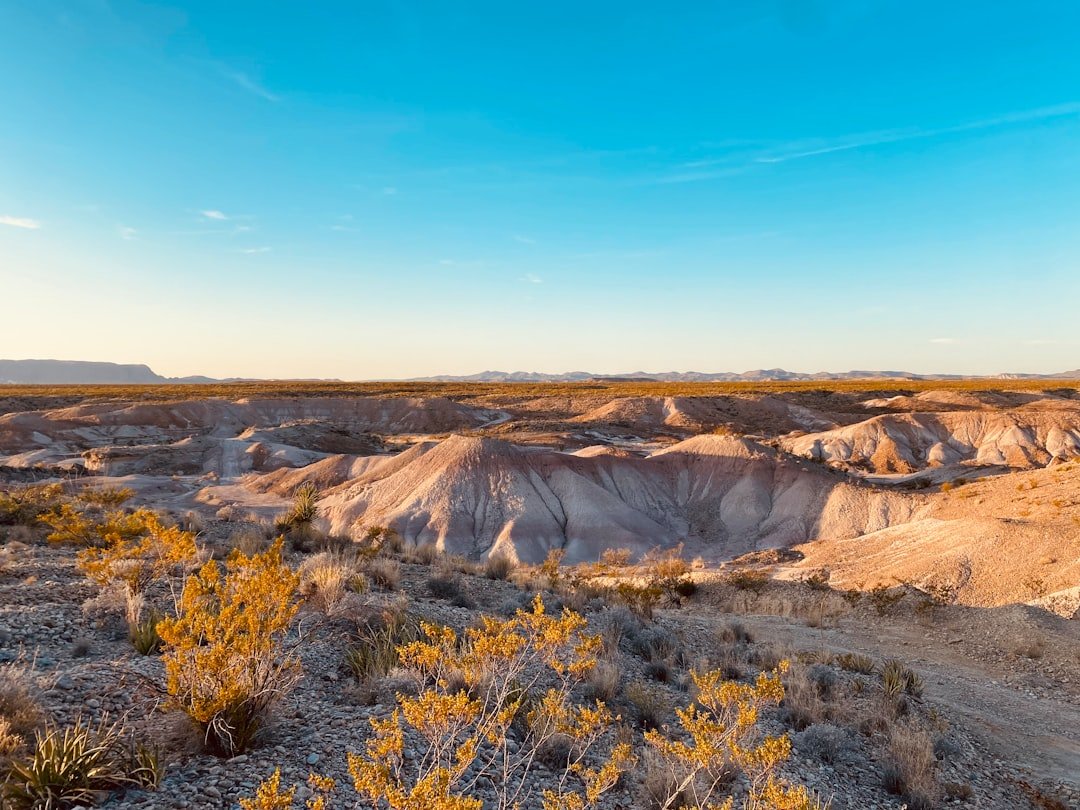
Dune bashing in the Wahiba Sands is a popular off-road driving activity that takes place across a 200-kilometer stretch of desert terrain in Oman. The area features sand dunes that reach heights of up to 100 meters, creating varied topography suitable for four-wheel drive vehicle navigation. Participants use specially equipped 4×4 vehicles to traverse the sandy slopes, which requires specific driving techniques to maintain traction and vehicle control on the unstable surface.
The activity involves driving up and down steep sand formations while managing vehicle momentum to prevent becoming stuck in soft sand or experiencing vehicle rollover. Drivers must adjust their approach based on sand conditions, slope angles, and dune configurations. The terrain presents technical challenges that require understanding of sand driving principles, including tire pressure adjustment, throttle control, and steering techniques specific to desert conditions.
Tour operators in the region provide guided dune bashing experiences that typically include safety briefings, vehicle preparation, and route planning. These tours often incorporate stops at elevated viewpoints for landscape observation and photography opportunities. The desert environment displays color variations throughout the day, particularly during sunrise and sunset periods when lighting conditions create different visual effects across the sand surfaces.
Educational components of organized tours may include information about the geological formation of the Wahiba Sands, local wildlife adaptations, and traditional Bedouin culture associated with the region. The area supports various desert-adapted species and represents a significant geographical feature within Oman’s landscape. Dune bashing activities are regulated to minimize environmental impact while providing recreational opportunities for visitors to the region.
Camel Trekking in the Empty Quarter
Camel trekking in the Empty Quarter, known as Rub’ al Khali, is a journey into one of the largest sand deserts in the world. Spanning parts of Oman, Saudi Arabia, the UAE, and Yemen, this vast expanse is characterized by its towering dunes and extreme aridity. The experience of traversing this seemingly endless sea of sand on the back of a camel is both a nod to traditional Bedouin culture and an opportunity to connect with nature in its most raw form.
Camels, often referred to as “ships of the desert,” are perfectly adapted to this harsh environment, making them ideal companions for such an expedition. Their steady gait allows trekkers to absorb the serene beauty of the landscape while providing a unique perspective on the desert’s vastness. The trek itself can vary in duration, from a few hours to several days, depending on the itinerary chosen.
Along the way, trekkers can witness stunning vistas, including shimmering sand dunes that shift with the wind and occasional oases that provide a stark contrast to the arid surroundings. The experience is often enriched by storytelling from local guides who share tales of Bedouin life and survival in such an unforgiving environment. As night falls, the desert transforms into a tranquil haven where stargazing becomes an awe-inspiring activity.
The absence of light pollution allows for a breathtaking view of the Milky Way and countless constellations, making camel trekking in the Empty Quarter not just an adventure but also a profound connection to history and nature.
Camping under the Stars in the Omani Desert
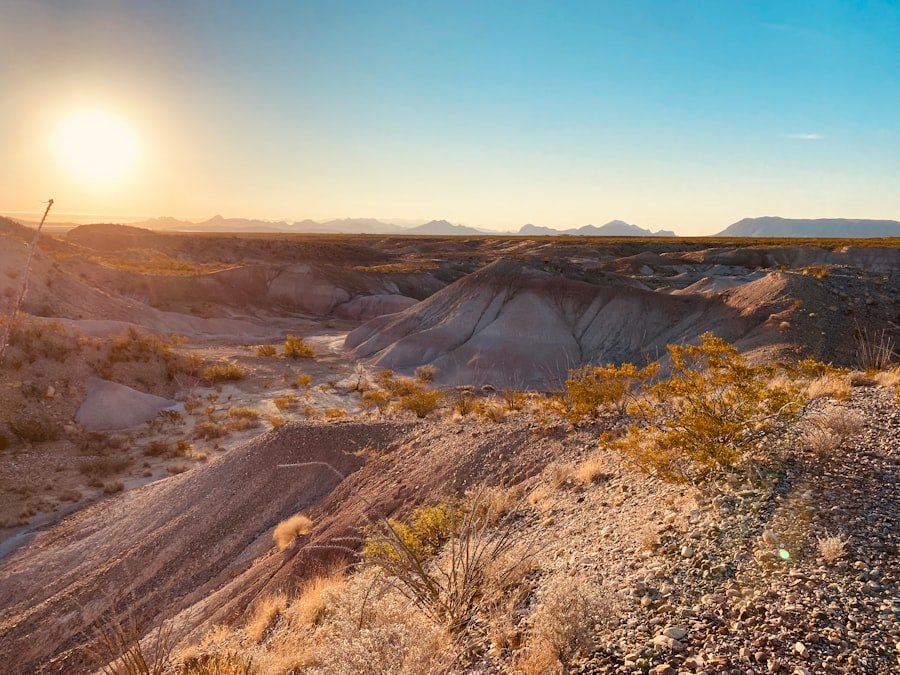
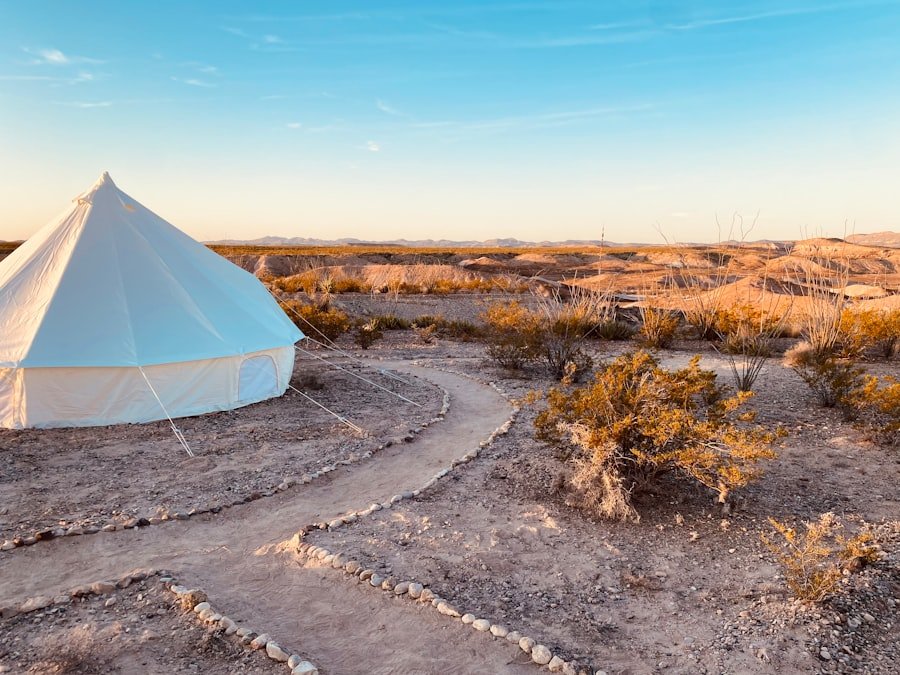
Camping under the stars in the Omani desert is an enchanting experience that immerses visitors in the tranquility and beauty of the night sky. The vastness of the desert provides an unparalleled opportunity to escape from urban life and reconnect with nature. Many camping experiences are designed to be comfortable yet authentic, often featuring traditional Bedouin-style tents equipped with cozy bedding and local cuisine prepared over an open fire.
As night descends, guests can gather around a campfire, sharing stories and enjoying traditional music while savoring dishes like shuwa, a slow-cooked lamb marinated in spices and wrapped in banana leaves. The highlight of camping in the Omani desert is undoubtedly the stargazing experience. With minimal light pollution, the desert sky reveals a breathtaking tapestry of stars that is often obscured in urban areas.
Visitors can witness shooting stars and constellations while lying on comfortable mats or blankets spread across the warm sand. Many camps also offer guided stargazing sessions where knowledgeable guides point out celestial bodies and share fascinating stories about their significance in Arab culture. This immersive experience not only fosters a sense of wonder but also deepens one’s appreciation for the natural world and its vast mysteries.
Exploring the Ancient Forts and Castles of the Desert
Oman’s rich history is beautifully encapsulated in its ancient forts and castles, many of which are nestled within or near desert landscapes. These architectural marvels serve as a testament to Oman’s strategic importance along historic trade routes and its cultural heritage. One notable example is Nizwa Fort, built in the 17th century, which features a massive circular tower that offers panoramic views of the surrounding area.
The fort’s intricate design includes defensive walls and watchtowers that reflect traditional Omani architecture while providing insight into historical military strategies. Exploring these forts often involves guided tours that delve into their historical significance and architectural features. Visitors can learn about Oman’s past rulers and their efforts to protect their territories from invaders.
Another remarkable site is Bahla Fort, a UNESCO World Heritage site that dates back to pre-Islamic times. Its mud-brick construction showcases traditional building techniques that have been preserved over centuries. The surrounding oasis adds to its charm, creating a picturesque setting that invites exploration.
Each fort tells a unique story, allowing visitors to step back in time and appreciate Oman’s rich cultural tapestry woven through its desert landscapes.
Sandboarding on the Dunes of Oman
| Experience | Location | Duration | Best Time to Visit | Key Highlights | Accessibility |
|---|---|---|---|---|---|
| Overnight Desert Camping | Wahiba Sands | 1-2 nights | October to April | Traditional Bedouin tents, stargazing, desert bonfires | 4×4 vehicle recommended |
| Dune Bashing | Wahiba Sands | 2-3 hours | October to April | Thrilling 4×4 rides over sand dunes | Guided tours available |
| Desert Wildlife Safari | Empty Quarter (Rub’ al Khali) | Full day | November to March | Spotting Arabian oryx, desert foxes, and unique flora | Experienced guides required |
| Sandboarding | Wahiba Sands | 1-2 hours | October to April | Sliding down high dunes on boards | Equipment rental available on site |
| Sunset Camel Trekking | Wahiba Sands | 2-3 hours | October to April | Traditional camel rides with desert sunset views | Suitable for all ages |
| Desert Photography Tours | Wahiba Sands & Empty Quarter | Half to full day | October to April | Guided tours focusing on desert landscapes and wildlife | Professional guides and photographers available |
Sandboarding on the dunes of Oman offers an exhilarating twist on traditional snowboarding, allowing thrill-seekers to glide down sandy slopes instead of snowy mountains. The Wahiba Sands and other dune fields provide ideal conditions for this exciting sport, with soft sand that cushions falls and steep dunes that promise adrenaline-pumping descents. Participants can rent boards from local operators or join guided tours that include equipment rental and instruction for beginners.
The sensation of speeding down a dune, with grains of sand flying up around you, creates an exhilarating rush that is hard to replicate elsewhere. For those new to sandboarding, many operators offer lessons that cover essential techniques such as balancing and turning. As riders gain confidence, they can experiment with different styles, from standing upright to sitting down for a more relaxed ride.
The experience is not just about speed; it also allows participants to appreciate the stunning desert scenery as they carve their way down the dunes. Many sandboarding excursions include opportunities for photography at scenic spots or even sunset rides when the golden light casts long shadows across the landscape. This unique blend of adventure and natural beauty makes sandboarding one of Oman’s must-try activities for visitors seeking excitement in an extraordinary setting.
Off-Roading through the Wadis and Canyons
Off-roading through Oman’s wadis and canyons presents an adventurous way to explore some of the country’s most stunning natural landscapes. Wadis—valleys carved by water—are often lush with vegetation and offer breathtaking views of rugged cliffs and dramatic rock formations. Popular destinations like Wadi Shab and Wadi Bani Khalid are accessible via off-road vehicles, allowing adventurers to navigate rocky paths and riverbeds that would be challenging for standard cars.
The thrill of traversing these rugged terrains is complemented by opportunities for swimming in natural pools or hiking along scenic trails. The experience is enhanced by knowledgeable guides who provide insights into the geology and ecology of these unique environments. As travelers venture deeper into these canyons, they may encounter hidden waterfalls or ancient petroglyphs etched into rock faces by early inhabitants.
The contrast between the arid desert landscape and the vibrant greenery found in these wadis creates a striking visual experience that captivates visitors. Off-roading not only offers an adrenaline rush but also fosters a deeper appreciation for Oman’s diverse ecosystems and rich cultural heritage found within these natural wonders.
Visiting the Bedouin Villages and Experiencing their Culture
Visiting Bedouin villages provides a unique opportunity to immerse oneself in Oman’s rich cultural heritage and traditional way of life. The Bedouins are known for their nomadic lifestyle, deeply connected to their environment and customs that have been passed down through generations. Many tours offer visits to authentic Bedouin settlements where guests can engage with local families, learn about their daily routines, and participate in traditional activities such as weaving or cooking local dishes.
This hands-on experience allows visitors to gain insight into how Bedouins have adapted to life in the harsh desert environment while maintaining their cultural identity. Cultural exchanges often include storytelling sessions where elders share tales of their ancestors’ adventures across the desert or explain the significance of various customs and rituals. Visitors may also have the chance to enjoy traditional meals prepared using age-old recipes, providing a taste of Bedouin hospitality that emphasizes communal dining and sharing.
Engaging with Bedouin culture fosters mutual respect and understanding while highlighting the importance of preserving these traditions in an ever-changing world. Such experiences enrich travelers’ journeys through Oman by connecting them with its people and their enduring legacy.
Wildlife Watching in the Desert Reserves of Oman
Wildlife watching in Oman’s desert reserves reveals a surprising diversity of flora and fauna adapted to thrive in arid conditions. The Arabian Oryx Sanctuary is one such reserve dedicated to conserving this iconic species that once faced extinction due to hunting and habitat loss. Visitors can embark on guided tours through this expansive sanctuary where they may spot herds of oryx grazing peacefully against a backdrop of rolling dunes.
The sanctuary also hosts other wildlife species such as gazelles, foxes, and various bird species that have adapted to life in this harsh environment. In addition to oryx watching, Oman’s deserts are home to unique ecosystems that support various forms of life. Exploring these reserves often involves hiking or driving through rugged terrains where visitors can observe how plants like acacia trees have adapted their growth patterns to conserve water.
Guided tours frequently include educational components that highlight conservation efforts aimed at protecting these delicate ecosystems from threats such as climate change and human encroachment. Wildlife watching not only offers an opportunity for adventure but also fosters awareness about environmental stewardship and the importance of preserving Oman’s natural heritage for future generations.
FAQs
What makes the desert experiences in Oman unique?
Oman’s desert experiences are unique due to the country’s vast and diverse desert landscapes, including the famous Wahiba Sands. The combination of traditional Bedouin culture, stunning sand dunes, and opportunities for activities like camel trekking, dune bashing, and stargazing contribute to a distinctive desert adventure.
Where are the main desert areas to visit in Oman?
The primary desert area to visit in Oman is the Wahiba Sands, also known as Sharqiya Sands. Other notable desert regions include the Empty Quarter (Rub’ al Khali) in the southern part of Oman, which is one of the largest sand deserts in the world.
What activities can tourists enjoy in Oman’s deserts?
Tourists can enjoy a variety of activities such as camel riding, dune bashing in 4×4 vehicles, sandboarding, camping under the stars, visiting Bedouin camps, and exploring desert wildlife and flora.
Is it safe to visit the deserts in Oman?
Yes, it is generally safe to visit the deserts in Oman, especially when accompanied by experienced guides or tour operators. Visitors should take precautions such as carrying sufficient water, wearing appropriate clothing, and being prepared for extreme temperatures.
When is the best time to experience the desert in Oman?
The best time to visit Oman’s deserts is during the cooler months from October to April. During this period, daytime temperatures are more comfortable for outdoor activities, and nights can be chilly but pleasant for camping.
Can visitors stay overnight in the desert?
Yes, many tour operators offer overnight camping experiences in the desert, often in traditional Bedouin-style tents. These experiences typically include meals, cultural performances, and opportunities to enjoy the night sky.
Do I need a guide to explore the desert in Oman?
While it is possible to explore some desert areas independently, hiring a guide or joining a tour is highly recommended for safety, navigation, and to gain cultural insights. Guides also help ensure a more enriching and hassle-free experience.
What should I pack for a desert trip in Oman?
Essential items include lightweight, breathable clothing, a hat, sunglasses, sunscreen, sturdy footwear, a reusable water bottle, and warm layers for the cooler nights. It is also advisable to bring a camera and any personal medications.
Are there any cultural considerations when visiting the desert in Oman?
Yes, visitors should respect local customs and traditions, especially when interacting with Bedouin communities. Modest clothing is recommended, and it is polite to ask permission before taking photographs of people or their property.
How accessible are the desert areas in Oman?
Desert areas like Wahiba Sands are accessible by road from major cities such as Muscat and Sur. However, some parts of the desert require 4×4 vehicles due to sandy terrain. Many tour operators provide transportation and guided excursions to these locations.