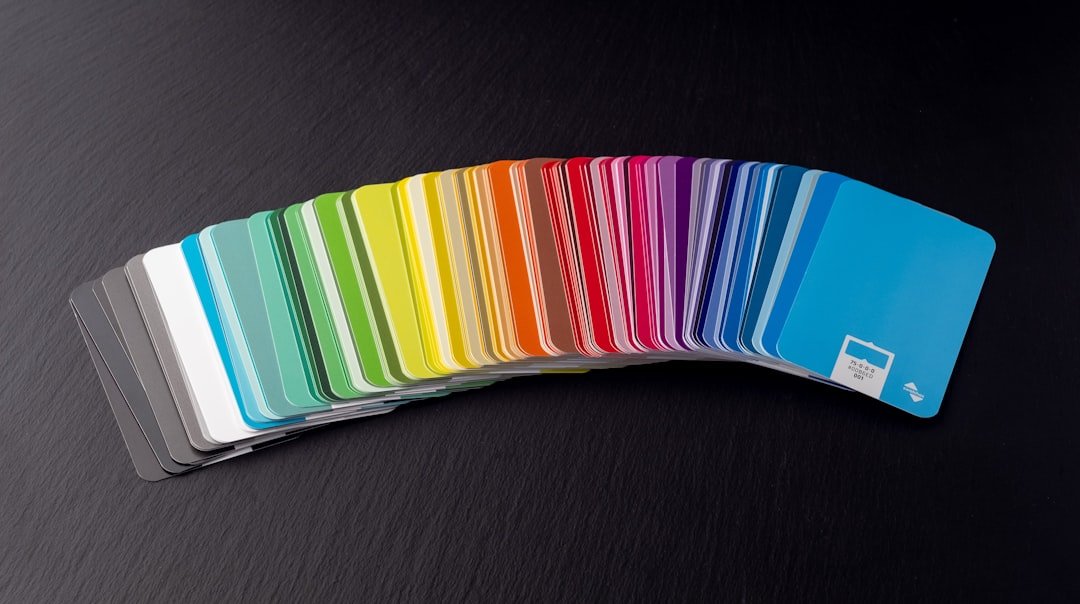
Color theory is a fundamental principle in art and design that examines the relationships between colors and their visual interactions. The system is organized into three main categories: primary, secondary, and tertiary colors. Primary colors consist of red, blue, and yellow, which cannot be created by mixing other colors and serve as the foundation for all other hues.
Secondary colors are produced by combining two primary colors: green (blue and yellow), orange (red and yellow), and purple (red and blue). Tertiary colors result from mixing one primary color with one adjacent secondary color, creating intermediate hues such as red-orange, yellow-green, or blue-violet. Color theory encompasses three key properties that define how colors appear and function.
Hue identifies the pure color itself on the color spectrum. Saturation measures the intensity or purity of a color, with high saturation producing vivid, intense colors and low saturation creating muted, grayed tones. Value determines the lightness or darkness of a color, ranging from white to black.
These properties work together to influence visual perception and can be strategically applied to create specific atmospheric effects, establish focal points, or achieve visual balance in interior and exterior spaces.
Choosing the Right Color Palette for Your Space
Selecting an appropriate color palette is crucial for establishing the desired aesthetic and functionality of a space. A well-thought-out palette can enhance the architectural features of a room while also reflecting the personality and preferences of its inhabitants. One effective approach is to start with a dominant color that resonates with the intended mood of the space.
For instance, soft blues and greens can evoke tranquility in a bedroom, while vibrant yellows and oranges may energize a kitchen or dining area. When choosing a color palette, it’s also essential to consider the size and natural light of the room. Lighter colors tend to make small spaces feel larger and more open, while darker shades can create a cozy, intimate atmosphere.
Additionally, the direction in which a room faces can influence how colors appear throughout the day. North-facing rooms often benefit from warmer tones to counteract the cooler light, while south-facing rooms can handle cooler hues without feeling too stark. By taking these factors into account, one can curate a color palette that not only looks appealing but also enhances the functionality of the space.
Using Color to Create a Mood or Atmosphere
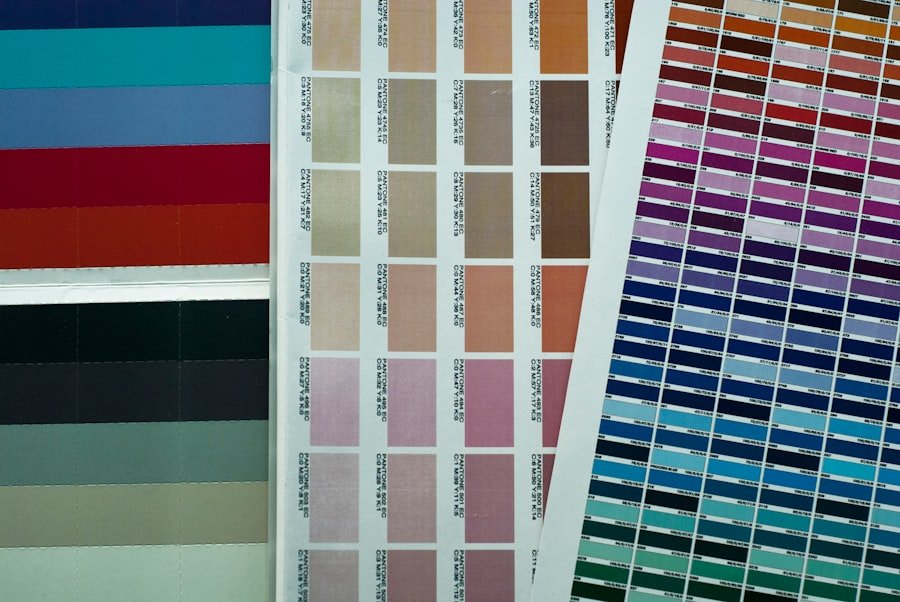
Color has a profound impact on human emotions and perceptions, making it a powerful tool in interior design for creating specific moods or atmospheres. For example, warm colors such as reds, oranges, and yellows are often associated with energy and warmth. These hues can stimulate conversation and activity, making them ideal for social spaces like living rooms or dining areas.
Conversely, cool colors like blues and greens are linked to calmness and relaxation. These shades are frequently used in bedrooms or bathrooms to promote serenity and peace. The psychological effects of color extend beyond mere aesthetics; they can influence behavior and feelings in subtle yet significant ways.
For instance, studies have shown that exposure to certain colors can affect heart rates and even appetite. Restaurants often utilize warm tones to encourage diners to linger longer and order more food. In contrast, healthcare facilities may opt for softer blues and greens to create a soothing environment for patients.
By understanding these psychological associations, designers can strategically select colors that align with the intended purpose of each space.
Incorporating Accent Colors for Visual Interest
Accent colors play a vital role in adding depth and visual interest to a room’s overall design. These are typically bolder or contrasting colors used sparingly against a more neutral or subdued backdrop. The strategic use of accent colors can draw attention to specific features within a space, such as architectural details or artwork.
For example, a neutral gray living room can be enlivened with bright yellow throw pillows or a vibrant blue accent chair, creating focal points that invite exploration. When incorporating accent colors, it’s essential to maintain balance within the overall design scheme. A common approach is the 60-30-10 rule: 60% of the room should be dominated by a primary color, 30% by a secondary color, and 10% by an accent color.
This guideline helps ensure that accent colors enhance rather than overwhelm the space. Additionally, using accents in various forms—such as textiles, artwork, or decorative objects—can create a cohesive look while allowing for personal expression.
Creating Cohesiveness with a Unified Color Palette
| Color Palette Strategy | Description | Effect on Interior Design | Example Use Case |
|---|---|---|---|
| Monochromatic | Using variations in lightness and saturation of a single color | Creates a cohesive, calming, and elegant atmosphere | Soft blues in a bedroom for a serene environment |
| Analogous | Combining colors that are next to each other on the color wheel | Produces harmonious and comfortable spaces | Green, yellow-green, and yellow in a living room for warmth |
| Complementary | Pairing colors opposite each other on the color wheel | Creates vibrant contrast and energy | Blue and orange accents in a modern kitchen |
| Triadic | Using three colors evenly spaced on the color wheel | Offers balanced and dynamic color schemes | Red, yellow, and blue in a playful children’s room |
| Neutral Palette | Using shades of white, gray, beige, and black | Provides a timeless, versatile, and sophisticated look | Beige walls with gray furniture in a minimalist office |
| Accent Colors | Adding small pops of bold color to a neutral base | Draws attention and adds personality without overwhelming | Bright red cushions on a neutral sofa |
| Warm Colors | Colors like red, orange, and yellow | Make spaces feel cozy and inviting | Orange walls in a dining room to stimulate appetite |
| Cool Colors | Colors like blue, green, and purple | Promote calmness and relaxation | Light green in a bathroom for a fresh feel |
A unified color palette is essential for achieving cohesiveness throughout an interior space. This approach involves selecting a limited range of colors that work harmoniously together across different rooms or areas within a home. By maintaining consistency in color choices, designers can create a seamless flow that guides the eye from one space to another.
For instance, using varying shades of blue throughout an open-concept living area can establish continuity while allowing for individual expression in each room. To achieve this cohesiveness, it’s beneficial to choose a base color that serves as the foundation for the entire palette. From there, complementary colors can be introduced in varying intensities and shades to add depth without straying from the overall theme.
This method not only enhances visual appeal but also fosters a sense of unity within the home. When each room feels connected through shared colors, it creates an inviting atmosphere that encourages exploration and comfort.
Utilizing Color Psychology in Interior Design

Color psychology is an intriguing field that examines how different hues affect human behavior and emotions. In interior design, this knowledge can be harnessed to create spaces that resonate with occupants on a deeper level. For example, studies have shown that blue hues can lower blood pressure and promote feelings of calmness; thus, they are often favored in bedrooms or meditation spaces.
On the other hand, red is known to stimulate energy and excitement, making it suitable for areas where social interaction occurs. Incorporating color psychology into design decisions requires careful consideration of how individuals interact with their environments. For instance, workplaces may benefit from incorporating greens and blues to enhance focus and productivity while minimizing stress levels.
Similarly, children’s playrooms might utilize bright primary colors to inspire creativity and playfulness. By aligning color choices with psychological principles, designers can create environments that not only look appealing but also support well-being and functionality.
Experimenting with Different Color Combinations
Experimentation is key when it comes to discovering unique color combinations that resonate with personal style and preferences. While traditional palettes often rely on complementary or analogous colors—those found next to each other on the color wheel—there is ample room for creativity in mixing unexpected hues. For instance, pairing deep navy with vibrant coral can create an eye-catching contrast that feels both modern and sophisticated.
One effective way to explore different combinations is through mood boards or digital design tools that allow for visual experimentation before committing to paint or decor choices. By layering various colors together in different contexts—such as textiles, wall paint, or furniture—designers can gain insight into how these combinations interact within a space. This process not only fosters creativity but also helps identify which combinations evoke the desired emotional response.
Tips for Implementing Color Palettes in Different Rooms
Implementing color palettes effectively requires an understanding of each room’s function and atmosphere. In living areas where social interaction occurs, consider using warm tones that encourage conversation while incorporating cooler accents for balance. For bedrooms, prioritize calming hues like soft blues or muted greens to promote relaxation and restful sleep.
Kitchens often benefit from bright colors that stimulate appetite; however, it’s essential to balance these with neutral tones to avoid overwhelming the senses during meal preparation. Bathrooms can embrace serene palettes featuring whites or light pastels to create a spa-like atmosphere conducive to relaxation. By tailoring color choices to each room’s purpose while maintaining an overarching theme throughout the home, designers can create spaces that are both functional and aesthetically pleasing.
In conclusion, understanding color theory and its psychological implications allows designers to make informed decisions about their spaces. By carefully selecting palettes that reflect personal style while considering mood creation and cohesiveness across rooms, one can transform any environment into an inviting sanctuary that resonates with its inhabitants.
FAQs
What is a color palette in interior design?
A color palette in interior design is a selection of colors chosen to create a cohesive and harmonious look within a space. It typically includes primary, secondary, and accent colors that work well together to enhance the overall aesthetic.
How do color palettes affect the mood of a room?
Color palettes influence the mood by evoking specific emotions and atmospheres. For example, warm colors like reds and oranges can create a cozy and energetic feel, while cool colors like blues and greens tend to promote calmness and relaxation.
How can I choose the right color palette for my interior design?
To choose the right color palette, consider the room’s purpose, natural lighting, existing furniture, and personal preferences. Start with a base color, then add complementary or contrasting colors to create balance and interest.
What are some common types of color palettes used in interior design?
Common color palettes include monochromatic (variations of one color), analogous (colors next to each other on the color wheel), complementary (colors opposite each other on the color wheel), and triadic (three colors evenly spaced on the color wheel).
Can color palettes be used to make small rooms appear larger?
Yes, using light and neutral color palettes can make small rooms feel more spacious and open. Bright and reflective colors help to enhance natural light, creating an illusion of a larger area.
How do I incorporate color palettes into existing interior design?
Incorporate color palettes by updating accessories, textiles, wall paint, and artwork to match the chosen colors. Gradually introduce new colors through cushions, rugs, curtains, or decorative items to complement the existing design.
Are there tools available to help create color palettes for interior design?
Yes, there are many online tools and apps, such as Adobe Color, Coolors, and Canva, that help generate and visualize color palettes based on your preferences or uploaded images.
Is it important to consider lighting when selecting a color palette?
Absolutely. Lighting affects how colors appear in a room. Natural light changes throughout the day, and artificial lighting can alter color tones, so it’s important to test colors under different lighting conditions before finalizing a palette.
Can color palettes be used to highlight architectural features?
Yes, strategic use of color palettes can draw attention to or downplay architectural elements. For example, using a contrasting color on a feature wall or trim can emphasize unique design details.
How often should I update my color palette in interior design?
There is no set rule, but many people update their color palettes every few years to refresh the space or reflect changing tastes. Small updates like new accessories or paint can keep the design current without major renovations.