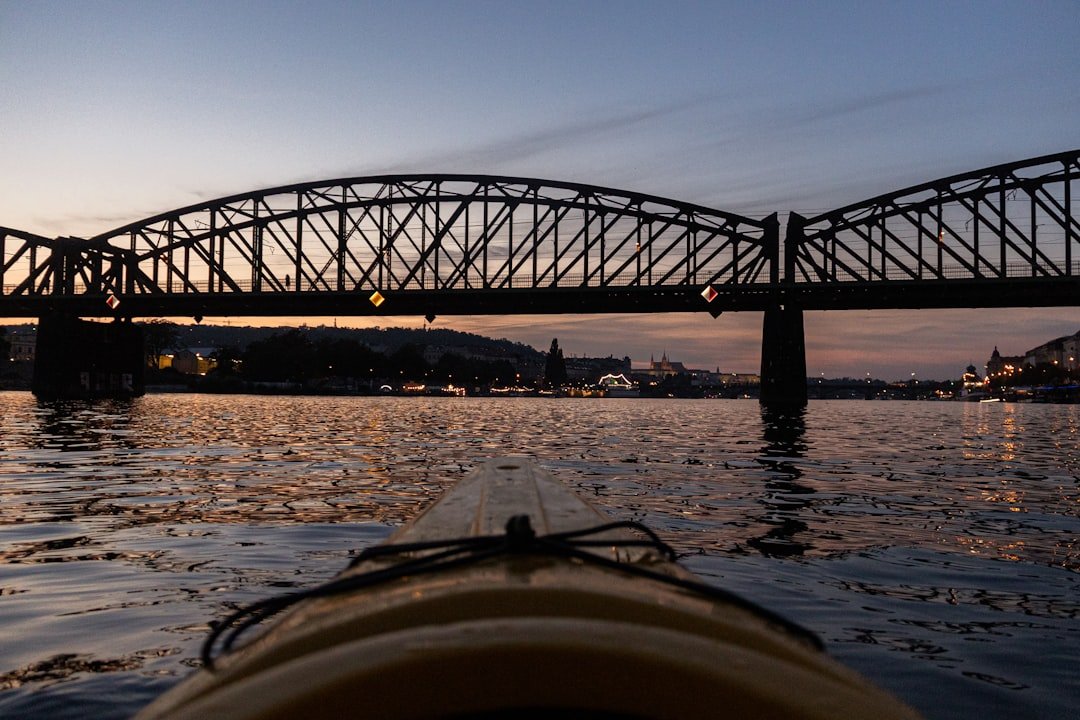
Papua New Guinea (PNG) is an island nation situated in the southwestern Pacific Ocean, characterized by diverse geographical features including tropical rainforests, mountainous terrain, and extensive coastlines. The country encompasses the eastern half of New Guinea island, along with numerous smaller islands, and is recognized for its significant biodiversity and cultural diversity, with over 800 indigenous languages spoken across its territories. The nation’s varied topography creates distinct regional environments suitable for different outdoor activities.
The highland regions feature mountainous terrain with elevations reaching over 4,000 meters, providing opportunities for trekking and mountaineering. The coastal areas contain coral reef systems that support diverse marine ecosystems, making them suitable for diving and snorkeling activities. The country’s river systems, including the Sepik River, offer opportunities for water-based exploration and cultural encounters with riverside communities.
PNG’s cultural landscape includes hundreds of distinct ethnic groups, each maintaining traditional practices, languages, and customs. Many communities continue to practice subsistence agriculture and traditional crafts, providing opportunities for cultural tourism and community-based experiences. The country’s remote location and limited infrastructure have helped preserve both its natural environments and traditional ways of life, though this also presents logistical challenges for tourism development and accessibility.
Trekking and Hiking in the Highlands
The highlands of Papua New Guinea are a trekker’s paradise, characterized by dramatic mountain ranges, verdant valleys, and a climate that varies from cool to temperate. One of the most famous trekking routes is the Kokoda Track, which stretches approximately 96 kilometers from Owers Corner to Kokoda Village. This historic trail is not only a physical challenge but also a journey through history, as it was the site of fierce battles during World War
Another notable trek is the Mount Wilhelm ascent, which leads adventurers to the highest peak in Papua New Guinea at 4,509 meters. The trek typically takes three days and offers breathtaking views of the surrounding landscape, including glacial lakes and lush forests. As trekkers ascend, they may encounter unique flora and fauna endemic to the region, such as the rare bird of paradise.
The experience is not just about reaching the summit; it is also about connecting with nature and appreciating the diverse ecosystems that thrive in this remote part of the world.
Diving and Snorkeling in the Coral Reefs
Papua New Guinea is often hailed as one of the world’s premier diving destinations, thanks to its extensive coral reefs and rich marine biodiversity. The waters surrounding PNG are home to over 1,500 species of fish and 400 species of coral, making it a haven for divers and snorkelers alike. One of the most popular diving spots is Kimbe Bay, located on the island of New Britain.
This area boasts pristine reefs, underwater volcanoes, and an abundance of marine life, including turtles, sharks, and vibrant schools of fish. Divers can explore various dive sites that cater to all skill levels, from beginners to experienced divers seeking thrilling drift dives. In addition to Kimbe Bay, the Tufi Dive Resort offers a unique diving experience in a fjord-like setting characterized by steep cliffs and lush rainforests.
The underwater topography here is equally impressive, featuring walls covered in colorful corals and an array of marine species. Snorkelers can also enjoy shallow reefs teeming with life just off the shore. The combination of warm waters, excellent visibility, and diverse marine ecosystems makes diving and snorkeling in Papua New Guinea an unforgettable experience for those looking to explore the underwater world.
Cultural Immersion with Indigenous Tribes
One of the most enriching aspects of visiting Papua New Guinea is the opportunity for cultural immersion with its indigenous tribes. With over 800 distinct languages spoken across the country, PNG is one of the most culturally diverse nations in the world. Travelers can engage with local communities through organized tours that provide insights into traditional customs, art forms, and daily life.
For instance, visiting a village in the Highlands allows visitors to witness traditional ceremonies, such as sing-sings—vibrant gatherings where tribes showcase their unique dances, music, and costumes. The Sepik River region is another area where cultural immersion thrives. The river is home to various tribes known for their intricate wood carvings and elaborate spirit houses.
Visitors can participate in workshops where they learn about traditional crafts and even try their hand at carving under the guidance of skilled artisans. Engaging with these communities not only fosters a deeper understanding of their way of life but also supports local economies by promoting sustainable tourism practices that respect cultural heritage.
White-Water Rafting on the Sepik River
| Adventure Activity | Location | Difficulty Level | Average Duration | Best Season | Popular For |
|---|---|---|---|---|---|
| Scuba Diving | Kimbe Bay | Moderate | 2-4 hours | May to October | Coral reefs, WWII wrecks |
| Trekking | Kokoda Track | Hard | 6-10 days | June to September | Historical sites, rainforest |
| White Water Rafting | Sepik River | Moderate to Hard | Half-day to full-day | July to November | River rapids, cultural experience |
| Surfing | Rabaul | Moderate | 2-5 hours | April to October | Consistent waves, volcanic backdrop |
| Bird Watching | Varirata National Park | Easy to Moderate | 2-6 hours | Year-round | Birds of paradise, endemic species |
| Caving | Mount Bosavi | Hard | Full-day | Dry season (May to October) | Unique cave formations, wildlife |
The Sepik River is one of Papua New Guinea’s most iconic waterways, winding through lush rainforests and remote villages. It offers some of the best white-water rafting experiences in the region, attracting adventure seekers looking for an adrenaline rush amidst stunning natural scenery. The river features a range of rapids suitable for different skill levels, from gentle stretches ideal for beginners to more challenging sections that require experienced paddlers.
Rafting on the Sepik River provides not only an exhilarating adventure but also a unique perspective on the surrounding environment and local culture. As rafters navigate through the rapids, they are treated to breathtaking views of untouched wilderness and may encounter wildlife such as crocodiles and exotic birds along the banks. Additionally, stops at riverside villages allow participants to interact with local communities, learn about their traditions, and appreciate their connection to this vital waterway.
Bird Watching in the Rainforests
Papua New Guinea is a birdwatcher’s paradise, boasting an impressive array of avian species that attract ornithologists and nature enthusiasts from around the globe. The country’s rainforests are home to over 700 species of birds, including many endemic species found nowhere else on Earth. Among these are the iconic birds of paradise, known for their vibrant plumage and elaborate courtship displays.
Locations such as Varirata National Park near Port Moresby offer excellent opportunities for birdwatching, where visitors can spot species like the Greater Bird-of-Paradise and the Raggiana Bird-of-Paradise. Birdwatching tours often include guided hikes through dense forests where expert guides share their knowledge about local bird species and their habitats. The experience is enhanced by the sounds of nature—calls from various birds echoing through the trees create a symphony that adds to the thrill of spotting these elusive creatures.
Whether perched high in the canopy or flitting through underbrush, each sighting becomes a memorable moment for birdwatchers eager to capture photographs or simply enjoy observing these magnificent birds in their natural habitat.
Surfing in the Bismarck Sea
The Bismarck Sea offers some of Papua New Guinea’s best surfing conditions, attracting surfers seeking uncrowded waves and pristine beaches. The region’s remote locations provide an escape from commercialized surf spots found elsewhere in the world. Notable surf breaks can be found on islands such as New Ireland and Manus Island, where consistent swells create ideal conditions for both beginners and seasoned surfers.
Surfing in Papua New Guinea is not just about riding waves; it also involves immersing oneself in a unique coastal culture. Many surf camps offer packages that include accommodation, meals, and guided surf tours to various breaks. Surfers can enjoy not only thrilling rides but also breathtaking sunsets over turquoise waters after a day spent on the waves.
The combination of stunning scenery, warm waters, and vibrant local culture makes surfing in PNG an unforgettable adventure for those looking to explore new horizons.
Adventure Sports and Outdoor Activities in Port Moresby
Port Moresby, Papua New Guinea’s capital city, serves as a gateway for adventure sports and outdoor activities that cater to both locals and tourists alike. The city is surrounded by natural beauty, offering opportunities for hiking, mountain biking, and even zip-lining through lush landscapes. One popular destination is Mount Lomani, which provides hiking trails that reward trekkers with panoramic views of Port Moresby and its coastline.
For those seeking adrenaline-pumping experiences closer to urban amenities, Port Moresby has developed facilities for various adventure sports. The Adventure Park PNG features zip lines that soar above treetops and offer thrilling rides for visitors looking for excitement without venturing far from the city center. Additionally, water sports such as kayaking and stand-up paddleboarding are popular activities along the coastline, allowing participants to explore beautiful bays while enjoying views of nearby islands.
In conclusion, Papua New Guinea stands out as an exceptional destination for adventure activities that encompass trekking through highlands, diving into vibrant coral reefs, immersing oneself in indigenous cultures, navigating white-water rapids on rivers, birdwatching in rainforests, surfing pristine waves along coastlines, and engaging in outdoor sports within urban settings like Port Moresby. Each experience offers a unique glimpse into this remarkable country’s natural beauty and cultural richness while providing unforgettable adventures for those willing to explore its diverse landscapes.
FAQs
What types of adventure activities are popular in Papua New Guinea?
Papua New Guinea offers a variety of adventure activities including trekking through dense rainforests, scuba diving in pristine coral reefs, white-water rafting, bird watching, and cultural village tours.
When is the best time to visit Papua New Guinea for adventure activities?
The best time to visit is during the dry season, which typically runs from May to October. This period offers more favorable weather conditions for outdoor and water-based activities.
Is Papua New Guinea safe for adventure travelers?
While many areas in Papua New Guinea are safe for tourists, it is important to stay informed about local conditions, travel with reputable guides, and follow safety advice to ensure a secure experience.
Do I need special permits for trekking or diving in Papua New Guinea?
Some trekking routes and diving sites may require permits or fees. It is advisable to check with local tour operators or authorities in advance to obtain any necessary permissions.
What level of fitness is required for adventure activities in Papua New Guinea?
Fitness requirements vary depending on the activity. Trekking and rafting may require moderate to high fitness levels, while activities like bird watching and cultural tours are generally accessible to most visitors.
Are there guided tours available for adventure activities in Papua New Guinea?
Yes, many local companies offer guided tours for trekking, diving, rafting, and cultural experiences, providing expert knowledge and ensuring safety during the activities.
What wildlife can I expect to see during adventure activities in Papua New Guinea?
Papua New Guinea is home to diverse wildlife including exotic birds like the birds of paradise, unique reptiles, marine life such as coral fish and sea turtles, and various mammals native to the region.
What should I pack for adventure activities in Papua New Guinea?
Essential items include lightweight and breathable clothing, sturdy hiking boots, insect repellent, sun protection, waterproof gear, snorkeling or diving equipment if applicable, and any personal medications.
Is it necessary to have travel insurance for adventure activities in Papua New Guinea?
Yes, it is highly recommended to have comprehensive travel insurance that covers adventure activities, including medical emergencies, evacuation, and trip cancellations.
How accessible are adventure activity locations in Papua New Guinea?
Some adventure sites are remote and may require domestic flights, boat transfers, or long drives. Planning ahead and booking through experienced tour operators can help manage logistics effectively.