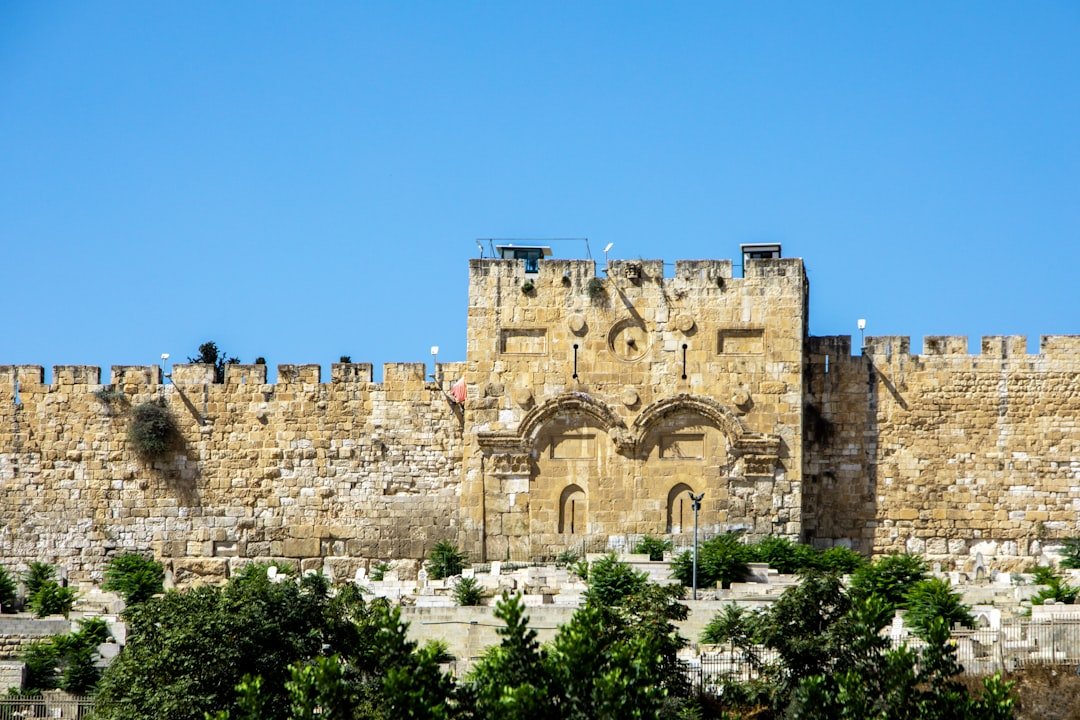
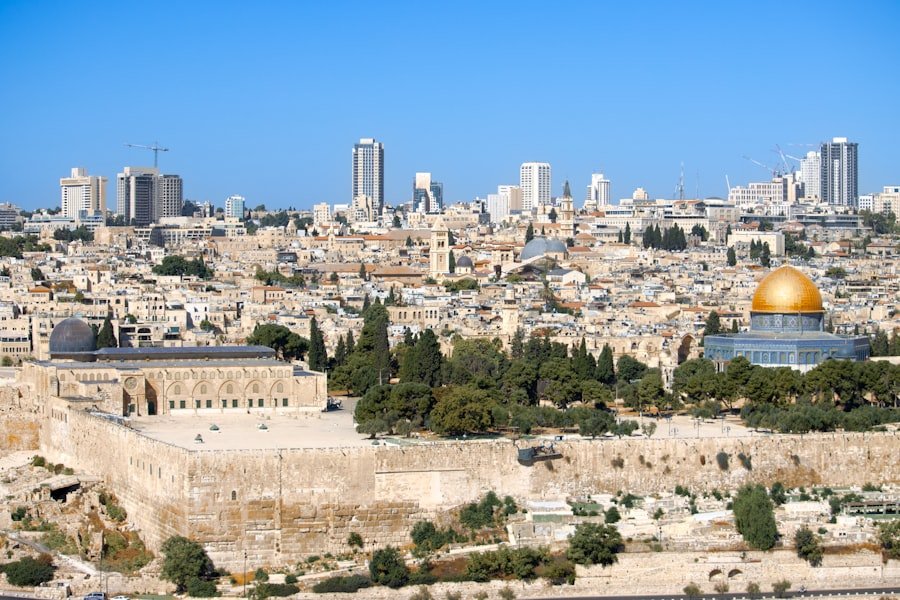
Jerusalem is a city of major religious significance for Judaism, Christianity, and Islam. The city contains important religious sites including the Western Wall, the Church of the Holy Sepulchre, and the Al-Aqsa Mosque. These locations serve as places of worship and pilgrimage for adherents of the three Abrahamic faiths.
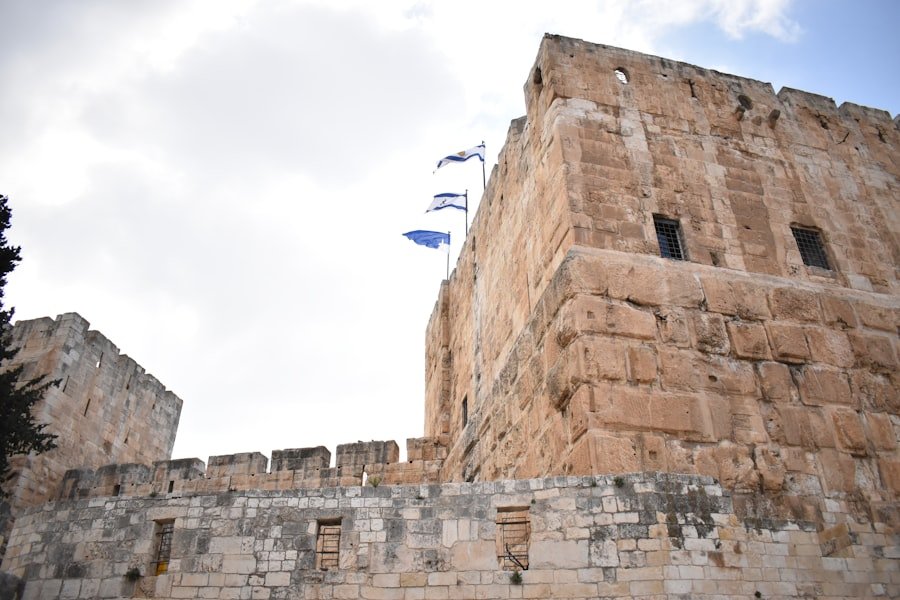
The Old City of Jerusalem is surrounded by walls that date back centuries and has been the site of numerous historical events and conflicts throughout its approximately 3,000-year history. The Old City consists of four quarters – Jewish, Muslim, Christian, and Armenian – reflecting the diverse religious and ethnic communities that inhabit the area. The city’s population includes Jewish, Muslim, and Christian residents who observe their respective religious practices and holidays.
Major religious observances such as Passover, Ramadan, and Easter are marked by increased religious activity and pilgrimage to the city. Jerusalem hosts cultural events including the annual Jerusalem Light Festival, which uses projection technology to illuminate historical buildings and landmarks in the Old City. The city represents a convergence of ancient historical sites and contemporary urban development, with archaeological remains from various historical periods existing alongside modern infrastructure and institutions.
Tel Aviv: Modernity with a Historical Twist
In stark contrast to Jerusalem’s ancient aura, Tel Aviv embodies the essence of modernity and innovation. Founded in 1909 on the outskirts of Jaffa, Tel Aviv has rapidly evolved into a bustling metropolis known for its vibrant nightlife, cutting-edge technology sector, and stunning Mediterranean coastline. The city’s skyline is punctuated by sleek high-rises and contemporary architecture, reflecting its status as a hub for startups and creative industries.
The White City, a UNESCO World Heritage site, showcases an impressive collection of Bauhaus architecture, a testament to the city’s early 20th-century urban planning and design. Yet, beneath its modern facade lies a rich historical narrative that intertwines with its contemporary identity. The nearby ancient port city of Jaffa serves as a reminder of Tel Aviv’s roots, where visitors can explore cobblestone streets lined with art galleries, cafes, and historic buildings.
The Jaffa Flea Market offers a glimpse into the past while providing a vibrant atmosphere for shopping and socializing. This blend of history and modernity is further exemplified by events such as the Tel Aviv Pride Parade, which celebrates diversity and inclusivity in a city that thrives on cultural exchange. Tel Aviv’s dynamic character makes it a unique destination where the past informs the present in exciting ways.
Haifa: A Melting Pot of Cultures
Haifa is often celebrated for its harmonious coexistence of diverse cultures and religions. Nestled on the slopes of Mount Carmel overlooking the Mediterranean Sea, Haifa is home to a significant Bahá’í community, which has established one of its most important sites—the Bahá’í Gardens. These terraced gardens are not only a stunning visual spectacle but also symbolize the Bahá’í principles of unity and peace among different peoples.
Visitors from around the world flock to Haifa to experience this serene environment that promotes interfaith dialogue and understanding. The city’s multicultural fabric is further enriched by its Jewish, Muslim, Christian, and Druze populations. This diversity is reflected in Haifa’s culinary scene, where one can savor dishes from various traditions—ranging from traditional Middle Eastern fare to contemporary fusion cuisine.
The annual Haifa International Film Festival showcases films from around the globe, emphasizing stories that resonate with universal themes while celebrating local talent. This cultural melting pot fosters an atmosphere of creativity and collaboration, making Haifa a microcosm of Israel’s broader societal dynamics.
Tiberias: Ancient Roman and Jewish History
Tiberias holds a special place in both Roman and Jewish history, situated on the western shore of the Sea of Galilee. Founded by Herod Antipas in 20 CE, Tiberias was named after Emperor Tiberius and quickly became an important center for trade and culture in the region. Its strategic location made it a focal point for various civilizations throughout history, including the Romans, Byzantines, and Ottomans.
Today, visitors can explore archaeological sites that reveal remnants of ancient Roman baths and synagogues, offering a glimpse into the city’s storied past. The significance of Tiberias extends beyond its Roman heritage; it is also revered in Jewish tradition as one of the four holy cities alongside Jerusalem, Hebron, and Safed. The city was a center for Jewish scholarship during the Talmudic period, with notable figures such as Rabbi Akiva and Rabbi Meir contributing to its intellectual legacy.
The Tomb of Maimonides (Rambam), located in Tiberias, attracts pilgrims who seek to honor one of Judaism’s greatest philosophers and scholars. The combination of natural beauty—exemplified by the stunning views of the Sea of Galilee—and rich historical context makes Tiberias a compelling destination for those interested in exploring the intersections of faith and history.
Acre: Crusader History and Ottoman Architecture
| City | Historical Sites | Key Experience | Recommended Visit Duration | Best Time to Visit |
|---|---|---|---|---|
| Jerusalem | Old City, Western Wall, Church of the Holy Sepulchre, Tower of David | Walking tour of the Old City and religious landmarks | 2-3 days | Spring (March-May), Fall (September-November) |
| Tel Aviv | Old Jaffa, Independence Hall, Palmach Museum | Explore ancient port city and modern history museums | 1-2 days | Spring (March-May), Fall (September-November) |
| Haifa | Bahá’í Gardens, German Colony, Stella Maris Monastery | Visit Bahá’í World Centre and historic neighborhoods | 1 day | Spring (March-May), Fall (September-November) |
| Akko (Acre) | Crusader Fortresses, Old City Walls, Templar Tunnels | Explore Crusader and Ottoman history | 1 day | Spring (March-May), Fall (September-November) |
| Beersheba | Negev Museum of Art, Turkish Railway Station, Abraham’s Well | Discover Negev desert history and Bedouin culture | Half day to 1 day | Fall (September-November), Winter (December-February) |
Acre (Akko) is a city steeped in history, known for its well-preserved Crusader-era architecture and vibrant markets. Its strategic coastal location made it a key stronghold during the Crusades, serving as a battleground for control between Christian and Muslim forces. The remnants of Crusader fortifications can still be seen today, including the impressive Knights’ Halls and the ancient city walls that encircle Acre’s Old City.
These structures not only showcase medieval military architecture but also tell stories of conflict and coexistence that shaped the region. The Ottoman period left an indelible mark on Acre’s architectural landscape as well. The city flourished under Ottoman rule in the 18th century, leading to the construction of beautiful mosques, khans (caravanserais), and public baths that reflect Islamic architectural traditions.
The Al-Jazzar Mosque stands out as one of Acre’s most iconic landmarks, with its striking minaret and intricate tile work drawing visitors from around the world. Today, Acre’s bustling markets offer an array of spices, textiles, and local delicacies that invite exploration while echoing centuries of trade and cultural exchange.
Beersheba: Biblical Roots and Archaeological Treasures
Beersheba is often referred to as the “Capital of the Negev,” but its significance extends far beyond its modern designation. This ancient city is deeply rooted in biblical history; it is mentioned numerous times in the Hebrew Bible as a site associated with patriarchs such as Abraham and Isaac. The well that Abraham dug in Beersheba symbolizes not only sustenance but also covenantal relationships between God and His people.
Archaeological excavations have uncovered remnants from various periods, including ancient cisterns and fortifications that provide insight into life in this arid region. The city’s archaeological treasures are complemented by its contemporary developments aimed at preserving its historical legacy while fostering growth. The Beersheba River Park serves as both an ecological restoration project and a cultural hub where visitors can engage with art installations that reflect local heritage.
Additionally, Beersheba hosts various festivals celebrating its diverse population—such as Bedouin culture—highlighting traditional music, dance, and cuisine. This blend of ancient roots with modern aspirations makes Beersheba a fascinating destination for those interested in exploring Israel’s historical depth.
Jaffa: Ancient Port City with a Vibrant Past
Jaffa (Yafo) is one of the oldest port cities in the world, with a history that dates back thousands of years. Its strategic location along trade routes made it an essential gateway for merchants and travelers throughout antiquity. Jaffa’s biblical significance is profound; it is mentioned in stories such as Jonah’s flight to Tarshish and Peter’s vision on Simon the Tanner’s roof.
The ancient port still retains remnants of its storied past through archaeological sites that reveal layers of civilization—from Egyptian artifacts to Crusader ruins. Today, Jaffa is celebrated not only for its historical importance but also for its vibrant arts scene and culinary offerings. The Jaffa Flea Market buzzes with activity as vendors sell antiques alongside contemporary crafts, creating an eclectic atmosphere that attracts both locals and tourists alike.
Art galleries showcase works from emerging artists while street art adorns many walls throughout the neighborhood. The culinary landscape reflects Jaffa’s multicultural heritage; visitors can indulge in fresh seafood at seaside restaurants or savor traditional Middle Eastern dishes at local eateries. This fusion of history and modernity makes Jaffa a captivating destination where every corner tells a story.
Safed: Mystical and Spiritual History
Safed (Tzfat) is renowned for its mystical heritage and spiritual significance within Judaism. Perched high in the Galilee mountains, Safed has long been associated with Kabbalah—the Jewish mystical tradition—drawing scholars and seekers alike to its serene atmosphere. The city’s narrow cobblestone streets are lined with ancient synagogues such as the Ari Ashkenazi Synagogue and the Abuhav Synagogue, each steeped in history and spiritual resonance.
Safed’s elevation not only offers breathtaking views but also creates an ambiance conducive to contemplation and connection with the divine. The artistic community in Safed thrives on this mystical legacy; artists create works inspired by Kabbalistic themes that reflect their spiritual journeys. The annual Safed Klezmer Festival celebrates Jewish music traditions while fostering cultural exchange among diverse communities.
Visitors can participate in workshops exploring Jewish spirituality or attend lectures on Kabbalistic teachings at local centers dedicated to preserving this rich heritage. Safed’s unique blend of spirituality, artistry, and history makes it an essential destination for those seeking deeper understanding within Israel’s multifaceted cultural landscape.
FAQs
What are some must-visit historical cities in Israel for history lovers?
Some of the best cities in Israel for history enthusiasts include Jerusalem, known for its ancient religious sites; Acre (Akko), famous for its Crusader-era architecture; Caesarea, with its Roman ruins; and Safed (Tzfat), renowned for its medieval synagogues and Kabbalistic heritage.
Which historical sites in Jerusalem are essential for visitors interested in history?
Key historical sites in Jerusalem include the Old City with the Western Wall, the Church of the Holy Sepulchre, the Dome of the Rock, the Tower of David Museum, and the City of David archaeological site.
Can history lovers explore ancient ruins in Israel’s coastal cities?
Yes, cities like Caesarea offer extensive ancient ruins including a Roman amphitheater, aqueduct, and harbor. Acre also features well-preserved Crusader fortifications and Ottoman-era structures.
Are there guided tours available for historical sites in Israel?
Yes, many cities offer guided tours led by knowledgeable guides who provide historical context and insights. These tours can be booked through local tour operators or visitor centers.
Is it possible to visit historical sites in Israel year-round?
Most historical sites in Israel are open year-round, though some may have reduced hours or closures on Jewish holidays or certain religious observances. It is advisable to check opening times in advance.
What is the best way to travel between historical cities in Israel?
Traveling by car or organized tours is common and convenient. Israel also has a reliable public transportation system including buses and trains connecting major cities and historical sites.
Are there any entry fees for historical sites in Israel?
Many historical sites charge an entrance fee, though some are free to enter. Prices vary depending on the site and whether guided tours or special exhibitions are included.
Can visitors learn about Israel’s diverse historical periods in one trip?
Yes, Israel’s rich history spans biblical times, Roman and Byzantine periods, Crusader and Ottoman eras, and modern history, all accessible through various sites across different cities.
Are there museums in Israel that complement visits to historical cities?
Yes, museums such as the Israel Museum in Jerusalem, the Crusader Museum in Acre, and the National Maritime Museum in Haifa provide valuable historical context and artifacts related to the region’s past.
Is it safe to visit historical sites in Israel?
Generally, Israel is safe for tourists visiting historical sites, with well-maintained locations and security measures in place. Visitors should stay informed about current travel advisories and local conditions.