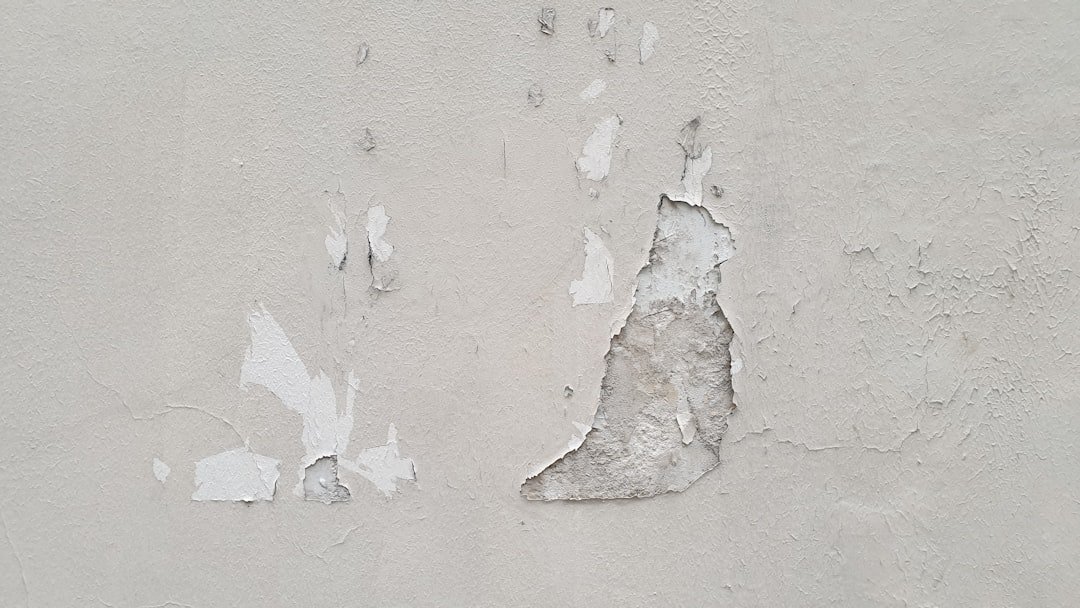
In the realm of interior design, wall textures and patterns play a pivotal role in shaping the ambiance and character of a space. They serve not only as aesthetic enhancements but also as tools for creating depth, warmth, and visual intrigue. The walls of a room are often the largest surface area, making them prime candidates for artistic expression.
By manipulating textures and patterns, designers can transform a mundane environment into a captivating one, inviting exploration and engagement. Whether it’s the subtlety of a textured finish or the boldness of a patterned wallpaper, these elements can significantly influence how a space is perceived and experienced. The evolution of wall treatments has seen a remarkable shift over the years, moving from simple paint applications to complex layering techniques that incorporate various materials and finishes.
This transformation reflects broader trends in design, where individuality and personalization are increasingly valued. As homeowners seek to express their unique tastes and lifestyles, the demand for innovative wall textures and patterns has surged. This article delves into the nuances of these design elements, exploring their differences, types, applications, and the creative possibilities they offer.
Understanding the Difference Between Textures and Patterns
While the terms “texture” and “pattern” are often used interchangeably in casual conversation, they represent distinct concepts in the world of design. Texture refers to the tactile quality of a surface—how it feels when touched or perceived visually. It can be rough, smooth, soft, hard, glossy, or matte, among other characteristics.
Textures can be created through various materials and techniques, such as plastering, painting, or using textured wallpapers. For instance, a wall with a stucco finish has a distinct texture that adds depth and interest to the surface. On the other hand, patterns are defined by their repetitive designs or motifs that create visual rhythm on a surface.
Patterns can be geometric, floral, abstract, or representational, and they often serve to create a specific mood or theme within a space. Unlike texture, which is primarily about the physical feel of a surface, patterns focus on visual elements that can evoke emotions or convey messages. For example, a wall adorned with a bold geometric pattern can energize a room, while delicate floral patterns may impart a sense of tranquility and softness.
Common Types of Wall Textures
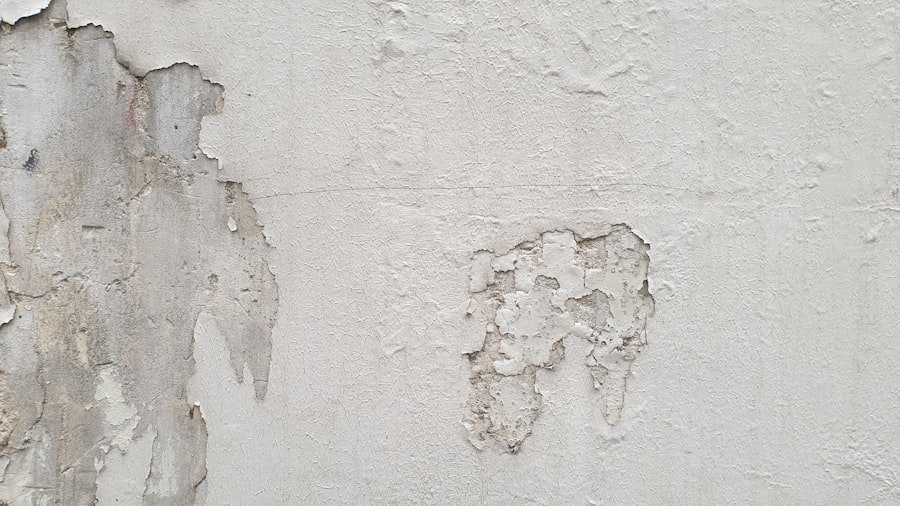
There is an array of wall textures that can be employed to enhance interior spaces, each offering its own unique aesthetic and functional benefits. One of the most popular types is the knockdown texture, which involves applying joint compound to walls and then flattening it with a trowel to create a mottled effect. This technique not only conceals imperfections but also adds an organic feel to the walls.
Knockdown textures are particularly favored in modern homes for their ability to blend seamlessly with various design styles. Another common texture is the popcorn ceiling or wall texture, which features small bumps that create a three-dimensional effect. While this texture was once ubiquitous in homes during the mid-20th century, it has fallen out of favor due to its dated appearance and difficulty in cleaning.
However, it can still be found in some retro-inspired designs or as an intentional choice for creating a vintage atmosphere. Additionally, there are more contemporary options like Venetian plaster, which offers a luxurious finish with its smooth yet textured appearance. This technique involves multiple layers of plaster applied with a trowel and polished to achieve a high-gloss sheen that reflects light beautifully.
Common Types of Wall Patterns
Wall patterns come in an extensive variety of styles and designs that can dramatically alter the perception of space. Geometric patterns are among the most popular choices for modern interiors. These designs often feature sharp lines and shapes that create a sense of order and structure.
For instance, chevron or herringbone patterns can add dynamic movement to walls while maintaining a clean aesthetic. Such patterns are particularly effective in contemporary settings where minimalism is key. Floral patterns represent another classic choice that brings an element of nature indoors.
These designs can range from large-scale blooms to delicate vines and leaves, offering versatility in how they can be applied within different contexts. In traditional or cottage-style homes, floral wallpaper can evoke nostalgia and warmth, while in more eclectic spaces, oversized floral prints can serve as bold statement pieces that draw attention and spark conversation. Stripes are yet another timeless pattern that can be used creatively; horizontal stripes can make a room feel wider, while vertical stripes can enhance the perception of height.
How to Incorporate Textures and Patterns in Interior Design
| Texture/Pattern Type | Description | Common Uses | Application Method | Durability | Maintenance | Visual Effect |
|---|---|---|---|---|---|---|
| Knockdown | Lightly textured surface with flattened peaks | Residential walls and ceilings | Spray and knock down with trowel | High | Easy to clean, occasional touch-ups | Soft, subtle texture that hides imperfections |
| Orange Peel | Fine, bumpy texture resembling orange skin | Walls and ceilings in homes and offices | Spray with hopper gun | Moderate | Low maintenance, dusting recommended | Uniform, smooth but textured finish |
| Popcorn | Rough, bumpy texture with small lumps | Ceilings, especially in older homes | Spray with specialized equipment | Low to moderate | Difficult to clean, prone to damage | Textured, acoustic dampening effect |
| Skip Trowel | Thin, uneven layers creating a rustic look | Accent walls, rustic or Mediterranean styles | Applied with trowel in sweeping motions | High | Moderate, may require repainting | Textured with visible trowel marks |
| Sand Swirl | Swirling patterns with sand mixed in paint | Decorative walls in living spaces | Applied with brush or roller in circular motions | Moderate | Moderate, avoid harsh scrubbing | Elegant, patterned texture with slight grit |
| Slap Brush | Random, rough texture created by brushing | Walls needing texture to hide flaws | Brush applied with slapping motion | Moderate | Low, occasional dusting | Rough, dynamic texture with depth |
Incorporating textures and patterns into interior design requires careful consideration of the overall aesthetic and function of the space. One effective approach is to create contrast by pairing different textures together. For example, combining a smooth leather sofa with a chunky knit throw or textured cushions can create visual interest while maintaining harmony within the room.
Similarly, mixing matte finishes with glossy surfaces can enhance depth; think of pairing a matte-finished wall with shiny metallic accents. When it comes to patterns, balance is key. A room filled with too many competing patterns can feel chaotic rather than cohesive.
To achieve harmony, designers often recommend using one dominant pattern as a focal point while keeping other elements more subdued. For instance, if you choose a bold patterned wallpaper for one accent wall, you might opt for solid-colored furnishings or accessories in complementary hues for the remaining walls. This strategy allows the pattern to shine without overwhelming the space.
Using Textures and Patterns to Create Visual Interest
Textures and patterns are powerful tools for creating visual interest within any interior space. They can draw the eye to specific areas or features while also contributing to the overall narrative of the design. For instance, an accent wall featuring intricate tile work or textured plaster can serve as a stunning focal point in a room, encouraging exploration and engagement from those who enter.
This technique is particularly effective in spaces like living rooms or dining areas where social interaction occurs. Moreover, layering different textures can add complexity to a design scheme. A room adorned with textured wallpaper can be complemented by plush rugs, woven baskets, and soft furnishings that invite touch and interaction.
This layering creates an inviting atmosphere that encourages comfort and relaxation. In addition to tactile appeal, varying textures can also influence how light interacts with surfaces; rough textures may cast shadows that add depth, while smooth surfaces reflect light for an airy feel.
DIY Techniques for Creating Textures and Patterns on Walls
For those looking to personalize their spaces without hiring professionals, there are numerous DIY techniques available for creating textures and patterns on walls. One popular method is sponge painting, where a sponge is used to apply paint in varying shades to create a textured effect reminiscent of clouds or natural stone. This technique is relatively simple and allows for creativity in color selection and application style.
Another DIY option is stenciling, which enables homeowners to apply intricate patterns without needing advanced skills or tools. By using pre-made stencils or creating custom designs, individuals can add unique motifs to their walls with paint or even textured mediums like joint compound for added dimension. Additionally, techniques such as rag rolling or using combs can produce interesting effects that mimic more complex textures without requiring extensive experience.
Choosing the Right Textures and Patterns for Your Space
Selecting the appropriate textures and patterns for a given space involves considering several factors including size, lighting, and intended use of the area. In smaller rooms, lighter colors and subtle textures can help create an illusion of spaciousness; overly bold patterns may overwhelm the space and make it feel cramped. Conversely, larger rooms can accommodate bolder choices without feeling cluttered; dramatic patterns or rich textures can add character and warmth.
Lighting also plays a crucial role in how textures and patterns are perceived within a space. Natural light enhances textures by highlighting their dimensional qualities while artificial lighting can create shadows that alter their appearance throughout the day. Therefore, it’s essential to consider how different light sources will interact with your chosen materials when making selections for your walls.
Ultimately, the right combination of textures and patterns should reflect personal style while enhancing the functionality and comfort of the space.
FAQs
What are the most common types of wall textures?
Common wall textures include smooth, orange peel, knockdown, slap brush, popcorn, and skip trowel. Each texture offers a different visual and tactile effect.
How do wall textures affect the appearance of a room?
Wall textures can add depth, dimension, and character to a room. They can make walls appear more interesting and can also help to hide imperfections.
What is the difference between orange peel and knockdown textures?
Orange peel texture has a fine, bumpy surface resembling the skin of an orange, while knockdown texture is created by applying joint compound and then flattening the peaks with a trowel, resulting in a more flattened, mottled look.
Are textured walls harder to paint than smooth walls?
Yes, textured walls can be more challenging to paint because the paint needs to cover all the crevices and raised areas evenly, often requiring more paint and careful application.
Can wall textures be removed or smoothed out?
Yes, textured walls can be smoothed by sanding, applying a skim coat of joint compound, or covering with drywall. However, the process can be labor-intensive and may require professional help.
What are the benefits of using wall textures?
Wall textures can hide wall imperfections, add aesthetic appeal, improve acoustics by reducing sound reflection, and increase the durability of wall surfaces.
Are certain wall textures better suited for specific rooms?
Yes, for example, smooth or lightly textured walls are often preferred in living rooms and bedrooms for a clean look, while more durable textures like knockdown or orange peel are common in high-traffic areas or basements.
How do patterns differ from textures on walls?
Textures refer to the surface feel and appearance created by materials or techniques, while patterns involve repeated decorative designs or motifs applied to the wall surface.
Is it possible to combine different wall textures and patterns?
Yes, combining textures and patterns can create unique visual effects and highlight architectural features, but it requires careful planning to ensure a cohesive look.
What tools are commonly used to create wall textures?
Tools include trowels, brushes, rollers, sponges, spray guns, and specialized texture combs or stamps, depending on the desired texture or pattern.