
Workplace safety laws are a critical framework designed to protect employees from hazards that could lead to injury or illness while on the job. These laws are established at various levels, including federal, state, and local jurisdictions, and they encompass a wide range of regulations that govern the conditions under which employees work. The Occupational Safety and Health Administration (OSHA), a federal agency in the United States, plays a pivotal role in enforcing these laws, ensuring that employers adhere to safety standards that minimize risks in the workplace.
The significance of these laws cannot be overstated; they not only safeguard the physical well-being of workers but also contribute to a more productive and positive work environment. The evolution of workplace safety laws has been shaped by historical events and societal changes. For instance, the Industrial Revolution brought about significant changes in labor practices, leading to increased awareness of the dangers associated with factory work.
As a result, various labor movements emerged, advocating for safer working conditions. Over time, this culminated in the establishment of formal regulations aimed at protecting workers. Today, workplace safety laws encompass a broad spectrum of issues, including chemical exposure, ergonomic hazards, and machinery safety, reflecting the diverse nature of modern employment.
Right to a Safe Working Environment
One of the fundamental rights enshrined in workplace safety laws is the right to a safe working environment. This right mandates that employers take proactive measures to ensure that their workplaces are free from recognized hazards that could cause harm to employees. This obligation extends beyond merely providing personal protective equipment; it encompasses a comprehensive approach to risk management that includes regular safety audits, hazard assessments, and the implementation of safety protocols.
For example, in construction sites, employers are required to provide fall protection systems, proper scaffolding, and safety training to mitigate risks associated with working at heights. The right to a safe working environment also implies that employees should not be subjected to unsafe conditions or practices. Employers are legally obligated to address any identified hazards promptly and effectively.
This may involve modifying work processes, providing adequate training, or even shutting down operations until safety concerns are resolved. In industries such as manufacturing or healthcare, where exposure to hazardous materials or infectious agents is prevalent, the responsibility of employers to maintain a safe environment is particularly critical. Failure to comply with these regulations can result in severe penalties for employers and can jeopardize the health and safety of their workforce.
Right to Information and Training on Workplace Hazards
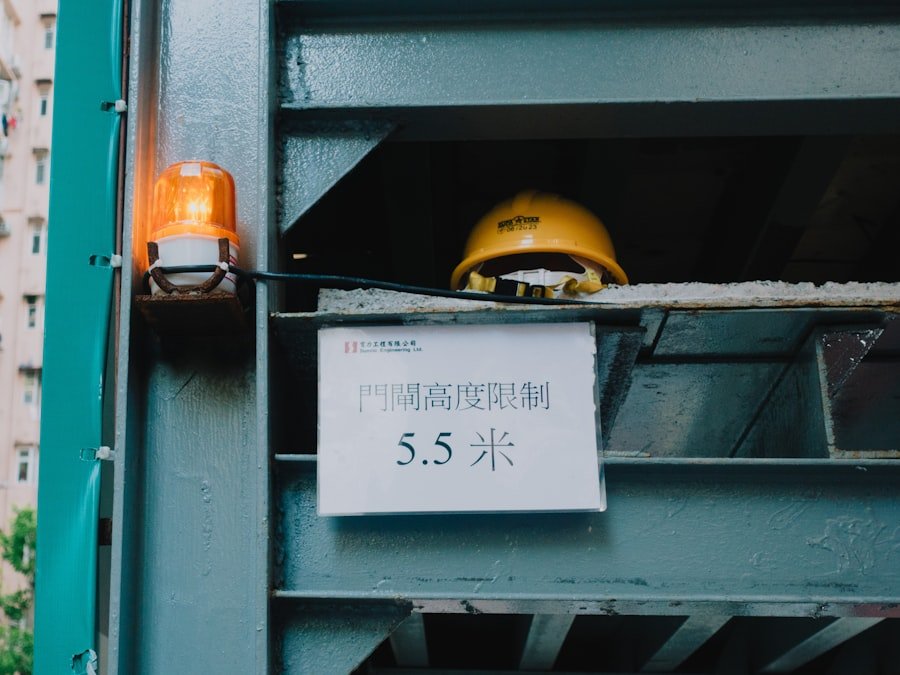
Employees have the right to be informed about potential hazards they may encounter in their work environment. This right is integral to workplace safety laws and emphasizes the importance of transparency and communication between employers and employees. Employers are required to provide information about hazardous substances, equipment, and processes that could pose risks.
This includes labeling hazardous materials, maintaining Material Safety Data Sheets (MSDS), and ensuring that employees understand the risks associated with their tasks. Training is a crucial component of this right. Employers must offer comprehensive training programs that equip employees with the knowledge and skills necessary to recognize hazards and respond appropriately.
For instance, in industries such as construction or manufacturing, workers must be trained on how to operate machinery safely, use personal protective equipment correctly, and respond to emergencies. Regular refresher courses are also essential to keep employees updated on new safety protocols or changes in regulations. By fostering an informed workforce, employers not only comply with legal requirements but also empower employees to take an active role in their own safety.
Right to Refuse Unsafe Work
The right to refuse unsafe work is a powerful provision within workplace safety laws that empowers employees to take action when they believe their health or safety is at risk. This right allows workers to halt work if they encounter conditions that they reasonably believe could lead to injury or illness. For example, if an employee notices a significant gas leak or an unsafe scaffolding setup, they have the legal right to refuse to work until the situation is rectified.
This provision serves as a critical check on employer practices and reinforces the notion that employee safety should always come first. However, exercising this right can sometimes lead to tension between employees and employers. It is essential for both parties to understand the legal protections surrounding this right.
Employees should be aware that they cannot be penalized for refusing unsafe work as long as their concerns are reasonable and communicated appropriately. Employers, on the other hand, must take such refusals seriously and investigate the reported hazards promptly. Establishing clear communication channels and fostering a culture of safety can help mitigate conflicts arising from the exercise of this right.
Right to Report Workplace Safety Violations
| Key Right | Description | Relevant Law/Standard | Employee Responsibility |
|---|---|---|---|
| Right to a Safe Workplace | Employees have the right to work in an environment free from recognized hazards that can cause injury or illness. | Occupational Safety and Health Act (OSHA) | Report unsafe conditions and follow safety protocols. |
| Right to Receive Training | Employees must be trained on workplace hazards, safe practices, and emergency procedures. | OSHA Training Standards | Attend training sessions and apply learned safety measures. |
| Right to Access Safety Information | Employees can review safety data sheets (SDS) and records of workplace injuries and illnesses. | Hazard Communication Standard (HCS) | Request and review safety information as needed. |
| Right to Report Hazards | Employees can report unsafe conditions or violations without fear of retaliation. | Whistleblower Protections under OSHA | Report hazards promptly and cooperate with investigations. |
| Right to Refuse Unsafe Work | Employees may refuse work that poses an imminent danger without penalty. | OSHA Section 11(c) | Notify employer and follow proper refusal procedures. |
| Right to Medical Examinations | Employees can receive medical exams related to workplace exposures or injuries. | OSHA Medical Surveillance Requirements | Participate in medical evaluations as required. |
| Right to Participate in Safety Committees | Employees can be involved in workplace safety and health committees or programs. | Various State and Federal Guidelines | Engage actively in safety initiatives. |
Employees have the right to report workplace safety violations without fear of reprisal. This right is crucial for maintaining a safe working environment, as it encourages workers to speak up about unsafe conditions or practices they observe. Reporting mechanisms can vary from anonymous hotlines to formal complaint procedures within an organization.
Regardless of the method, it is vital that employees feel secure in their ability to report violations without facing negative consequences. The importance of this right is underscored by the role it plays in identifying systemic issues within an organization. When employees report safety violations, it provides employers with valuable insights into potential hazards that may not have been previously recognized.
For instance, if multiple employees report issues related to inadequate training on machinery operation, it may indicate a need for improved training programs or equipment maintenance protocols. By fostering an environment where reporting is encouraged and valued, organizations can proactively address safety concerns before they escalate into serious incidents.
Right to Protection from Retaliation

The right to protection from retaliation is a cornerstone of workplace safety laws that ensures employees can advocate for their rights without fear of adverse consequences. This protection extends not only to those who report safety violations but also to individuals who participate in investigations or exercise their rights under workplace safety laws. Retaliation can take many forms, including termination, demotion, harassment, or any other action that would discourage an employee from exercising their rights.
To safeguard this right, many jurisdictions have established legal frameworks that prohibit retaliation against whistleblowers or those who assert their rights regarding workplace safety. For example, OSHA has provisions in place that protect employees who file complaints about unsafe working conditions or participate in inspections from being fired or discriminated against by their employers. These protections are essential for fostering a culture of openness and accountability within organizations, as they encourage employees to voice concerns without fear of losing their jobs or facing other punitive measures.
Right to Workers’ Compensation
The right to workers’ compensation is a vital aspect of workplace safety laws that provides financial support and medical benefits to employees who suffer work-related injuries or illnesses. This system is designed to ensure that workers receive appropriate care and compensation without having to prove fault or negligence on the part of their employer. In many cases, workers’ compensation covers medical expenses, rehabilitation costs, and lost wages during recovery periods.
The implementation of workers’ compensation laws varies by jurisdiction but generally requires employers to carry insurance that covers potential claims from injured employees. For instance, if an employee sustains an injury while operating machinery due to inadequate training or faulty equipment, they can file a workers’ compensation claim regardless of whether the employer was negligent. This system not only provides essential support for injured workers but also serves as an incentive for employers to maintain safe working conditions and reduce the likelihood of accidents.
Importance of Employee Rights in Workplace Safety
The rights outlined in workplace safety laws are fundamental for ensuring that employees can work in environments free from hazards and risks. These rights empower workers by providing them with tools and protections necessary for advocating for their own safety and well-being. The interplay between these rights creates a framework where both employers and employees share responsibility for maintaining safe workplaces.
As society continues to evolve and workplaces become more complex, the importance of these rights will only grow. Ensuring compliance with workplace safety laws not only protects individual workers but also contributes to overall organizational health and productivity. By fostering a culture of safety where employee rights are respected and upheld, organizations can create environments where everyone thrives—ultimately leading to better outcomes for both workers and employers alike.
FAQs
What are workplace safety laws?
Workplace safety laws are regulations designed to ensure the health and safety of employees while they are at work. These laws set standards for safe working conditions, require employers to provide necessary safety equipment, and mandate training to prevent workplace injuries and illnesses.
What key rights do employees have under workplace safety laws?
Employees have the right to a safe and healthy work environment, the right to receive information and training about workplace hazards, the right to report unsafe conditions without fear of retaliation, and the right to access records of workplace injuries and illnesses.
Can employees refuse to work in unsafe conditions?
Yes, under many workplace safety laws, employees have the right to refuse work that they reasonably believe poses an imminent danger to their health or safety, provided they follow proper procedures for reporting the hazard.
Are employers required to provide safety training?
Yes, employers are generally required to provide employees with training on workplace hazards, safe work practices, and emergency procedures relevant to their job duties.
What protections exist against retaliation for reporting safety concerns?
Workplace safety laws typically prohibit employers from retaliating against employees who report unsafe conditions or exercise their rights under safety regulations. Retaliation can include termination, demotion, or other adverse actions.
Do employees have the right to access workplace injury and illness records?
Yes, employees have the right to review records of workplace injuries and illnesses, which helps them stay informed about potential hazards and the employer’s safety performance.
Who enforces workplace safety laws?
Workplace safety laws are enforced by government agencies such as the Occupational Safety and Health Administration (OSHA) in the United States, or equivalent bodies in other countries, which conduct inspections and investigate complaints.
What should an employee do if they believe their workplace is unsafe?
Employees should report the unsafe condition to their employer or supervisor. If the issue is not resolved, they can file a complaint with the relevant workplace safety enforcement agency.
Are workplace safety rights the same for all employees?
While the core rights are generally consistent, specific protections and requirements may vary depending on the industry, job role, and jurisdiction.
Can employees receive compensation for workplace injuries?
Yes, employees injured on the job may be entitled to workers’ compensation benefits, which cover medical expenses and lost wages, depending on the laws in their jurisdiction.