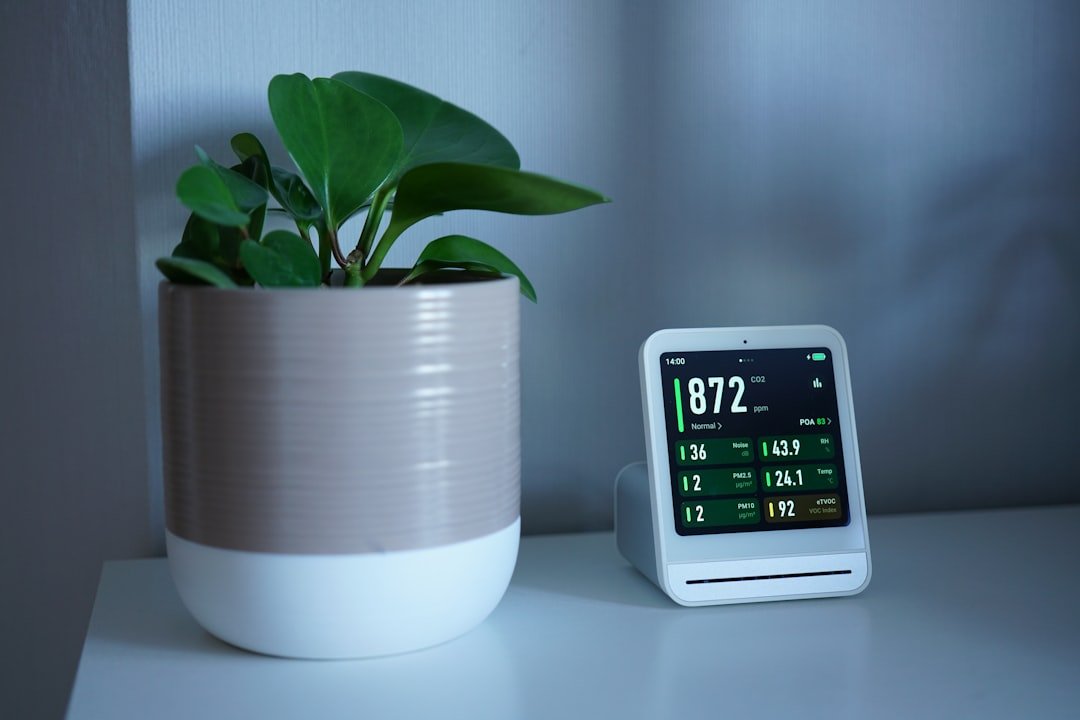
The advent of smart home technology has revolutionized the way we interact with our living spaces. Smart home devices encompass a wide range of products designed to enhance convenience, security, and energy efficiency within the home. These devices can include anything from smart thermostats and lighting systems to security cameras and kitchen appliances.
The integration of these technologies allows homeowners to control various aspects of their environment remotely, often through a smartphone app or voice command. This shift towards automation not only simplifies daily tasks but also provides users with greater control over their home’s functionality. As the Internet of Things (IoT) continues to expand, the market for smart home devices has seen exponential growth.
According to a report by Statista, the global smart home market is projected to reach over $135 billion by 2025. This surge in popularity can be attributed to several factors, including advancements in technology, increased consumer awareness, and the desire for enhanced home security and energy efficiency. As more households adopt these devices, the concept of a fully integrated smart home becomes increasingly attainable, paving the way for a future where homes are not just living spaces but intelligent environments that adapt to our needs.
The Role of Smart Home Hubs in Integration
At the heart of many smart home ecosystems lies the smart home hub, a central device that facilitates communication between various smart devices. Hubs serve as a bridge, allowing disparate devices from different manufacturers to work together seamlessly. For instance, a smart hub can connect a Philips Hue lighting system with a Nest thermostat and an August smart lock, enabling users to create complex automation scenarios that enhance their living experience.
Without a hub, managing multiple devices can become cumbersome, as each may require its own app and control mechanism. Smart home hubs often support various communication protocols such as Zigbee, Z-Wave, and Wi-Fi, which allows them to connect with a wide array of devices. This versatility is crucial for homeowners looking to build a comprehensive smart home system without being locked into a single brand or ecosystem.
For example, Samsung SmartThings is a popular hub that supports numerous third-party devices, enabling users to customize their setups according to their preferences. By centralizing control, smart hubs not only simplify user interaction but also enhance the overall functionality of the smart home by allowing for more sophisticated automation and monitoring capabilities.
Connecting Smart Devices with Wi-Fi and Bluetooth
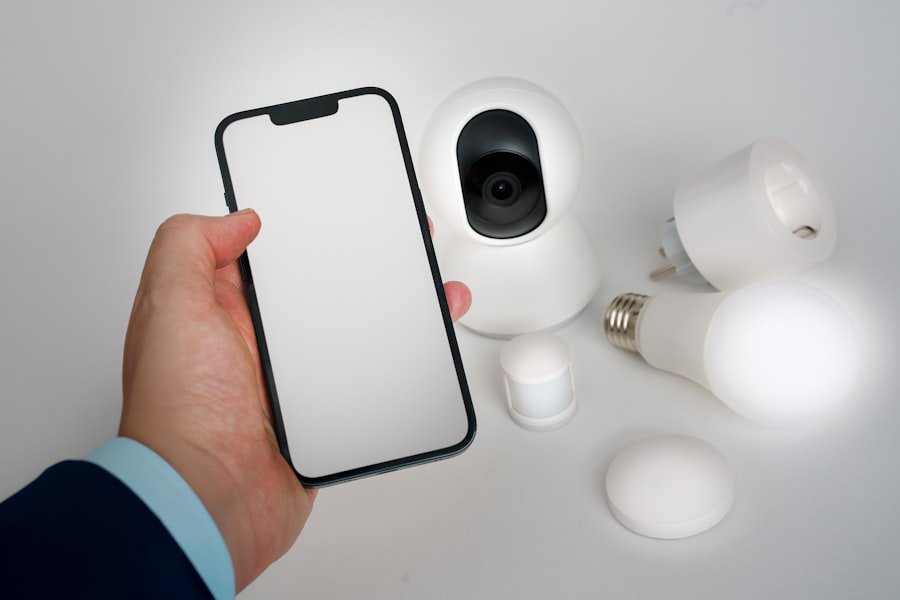
The connectivity of smart devices is primarily facilitated through Wi-Fi and Bluetooth technologies, each offering distinct advantages and use cases. Wi-Fi is widely used for devices that require constant internet access, such as security cameras and streaming devices. Its ability to transmit large amounts of data makes it ideal for applications that involve video streaming or real-time monitoring.
For instance, a Wi-Fi-enabled security camera can provide live feeds directly to a user’s smartphone, allowing for remote surveillance of one’s property. On the other hand, Bluetooth is often employed for devices that require short-range communication and lower power consumption. Smart locks and fitness trackers frequently utilize Bluetooth technology due to its efficiency in connecting devices without the need for an internet connection.
For example, a smart lock can be programmed to unlock when it detects the homeowner’s smartphone nearby via Bluetooth, providing both convenience and security. The choice between Wi-Fi and Bluetooth often depends on the specific requirements of the device and the intended use case, with many modern smart devices incorporating both technologies to maximize functionality.
Automation and Scheduling for Efficiency
One of the most compelling features of smart home technology is automation, which allows users to set schedules and create routines that enhance efficiency and convenience. Automation can range from simple tasks, such as programming lights to turn on at sunset, to more complex scenarios involving multiple devices working in concert. For instance, a homeowner might set up an automation routine that adjusts the thermostat when they leave for work, ensuring that energy is conserved while they are away.
Scheduling capabilities also extend to security features; homeowners can program their smart lights to mimic their presence at home by turning on and off at specific times. This not only deters potential intruders but also provides peace of mind when traveling. Moreover, automation can be tailored to individual preferences; for example, a morning routine could involve gradually brightening lights while starting the coffee maker at a designated time.
Such personalized automation not only streamlines daily activities but also contributes to an overall enhanced quality of life.
Interoperability and Compatibility Among Smart Devices
| Metric | Description | Typical Value | Impact on Efficiency |
|---|---|---|---|
| Latency (ms) | Time delay between command and device response | 50-200 ms | Lower latency improves real-time responsiveness |
| Network Bandwidth Usage (Mbps) | Data transfer rate between devices and hub | 0.1-2 Mbps | Efficient bandwidth use prevents congestion |
| Power Consumption (Watts) | Energy used by devices during operation | 1-10 W per device | Lower power consumption extends device lifespan |
| Device Compatibility (%) | Percentage of devices that can interoperate | 80-95% | Higher compatibility ensures seamless integration |
| Automation Success Rate (%) | Percentage of automated tasks executed correctly | 90-99% | Higher success rate improves user experience |
| Security Protocols Implemented | Number of security measures (e.g., encryption, authentication) | 3-5 protocols | More protocols enhance data protection |
| Inter-device Communication Range (meters) | Maximum effective distance for device communication | 10-30 meters | Greater range allows flexible device placement |
Interoperability is a critical aspect of smart home technology that determines how well different devices from various manufacturers can work together. As consumers invest in multiple smart devices, compatibility becomes essential for creating a cohesive ecosystem. Standards such as Matter have emerged to address these challenges by providing a unified framework that allows devices from different brands to communicate effectively.
This initiative aims to simplify the user experience by ensuring that products from various manufacturers can be integrated seamlessly. For example, a homeowner using a Matter-compatible smart hub could easily connect devices from brands like Apple, Google, and Amazon without worrying about compatibility issues. This interoperability not only enhances user convenience but also encourages innovation within the industry as manufacturers strive to create products that adhere to these standards.
As more devices become compatible with established protocols, consumers will benefit from greater flexibility in choosing products that best meet their needs without being restricted by brand loyalty.
Voice Control and Smart Home Integration
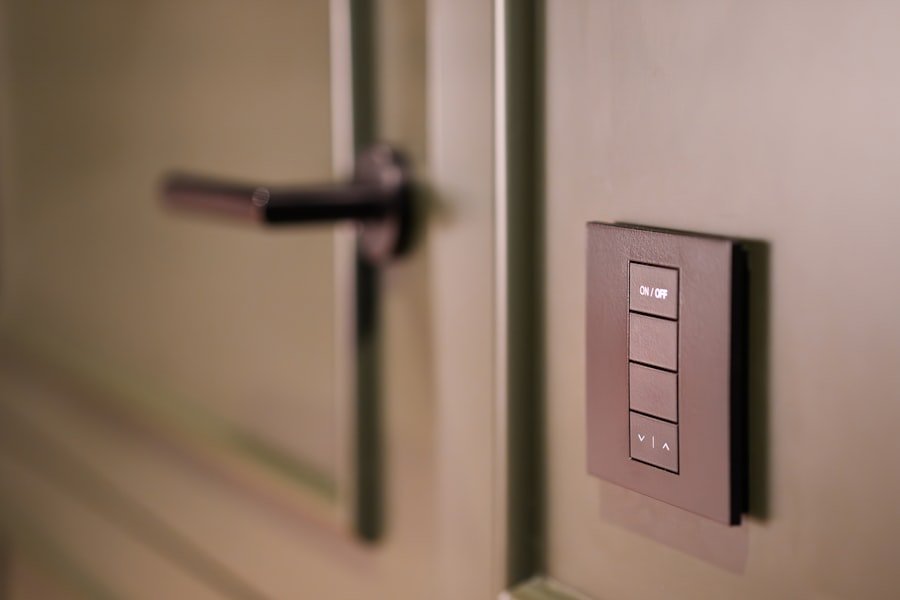
Voice control has emerged as one of the most popular methods for interacting with smart home devices, thanks in large part to advancements in natural language processing and artificial intelligence. Virtual assistants like Amazon Alexa, Google Assistant, and Apple Siri enable users to control their smart homes using simple voice commands. This hands-free approach not only enhances convenience but also makes technology more accessible for individuals who may have difficulty using traditional interfaces.
For instance, a user can simply say, “Turn on the living room lights,” or “Set the thermostat to 72 degrees,” and the virtual assistant will execute these commands instantly. The integration of voice control into smart home systems has transformed how we interact with technology; it allows for multitasking and provides an intuitive way to manage various aspects of home life. Furthermore, voice control can be particularly beneficial in situations where hands are occupied or when quick adjustments are needed without navigating through apps or physical controls.
Energy Management and Efficiency
Smart home devices play a significant role in energy management and efficiency, contributing not only to cost savings but also to environmental sustainability. Smart thermostats like the Nest Learning Thermostat utilize machine learning algorithms to analyze user behavior and optimize heating and cooling schedules accordingly. By learning when occupants are typically home or away, these devices can adjust temperatures automatically, reducing energy consumption during unoccupied periods.
Additionally, smart plugs and energy monitors provide real-time insights into energy usage across various appliances. Homeowners can track which devices consume the most power and make informed decisions about usage patterns or upgrades. For example, if a user discovers that an older refrigerator is consuming excessive energy, they may choose to replace it with a more efficient model.
By leveraging data provided by these smart devices, individuals can significantly reduce their carbon footprint while enjoying lower utility bills.
Security and Privacy Considerations for Smart Home Integration
As smart home technology becomes increasingly prevalent, concerns regarding security and privacy have emerged as critical considerations for consumers. The interconnected nature of smart devices creates potential vulnerabilities that could be exploited by malicious actors. For instance, if a hacker gains access to a home’s Wi-Fi network, they may be able to control connected devices or access sensitive information stored within them.
To mitigate these risks, manufacturers are implementing robust security measures such as end-to-end encryption and regular software updates. Users are also encouraged to adopt best practices for securing their networks, such as changing default passwords and enabling two-factor authentication where available. Additionally, privacy concerns surrounding data collection by smart devices necessitate transparency from manufacturers regarding how user data is stored and utilized.
As consumers become more aware of these issues, they are likely to demand greater accountability from companies in terms of data protection practices. In conclusion, while the integration of smart home technology offers numerous benefits in terms of convenience, efficiency, and security, it is essential for users to remain vigilant about potential risks associated with these advancements. By understanding the complexities of smart home ecosystems and taking proactive measures to safeguard their privacy and security, homeowners can fully embrace the advantages that this technology has to offer.
FAQs
What are smart home devices?
Smart home devices are electronic gadgets connected to the internet that allow users to automate, monitor, and control various aspects of their home environment, such as lighting, heating, security, and entertainment systems.
How do smart home devices communicate with each other?
Smart home devices communicate through wireless protocols like Wi-Fi, Bluetooth, Zigbee, or Z-Wave. These protocols enable devices to send and receive data, allowing them to work together efficiently within a connected ecosystem.
What is a smart home hub?
A smart home hub is a central device that connects and manages multiple smart home devices, enabling them to interact seamlessly. It acts as a bridge between different communication protocols and allows users to control all devices from a single interface.
Can smart home devices from different brands work together?
Yes, many smart home devices are designed to be compatible with popular platforms like Amazon Alexa, Google Assistant, or Apple HomeKit, which facilitate interoperability between devices from different manufacturers.
How do automation and routines improve smart home efficiency?
Automation and routines allow smart home devices to perform actions based on triggers such as time, location, or sensor data. This coordination reduces manual intervention, optimizes energy use, and enhances convenience.
Is it necessary to have a stable internet connection for smart home devices to work together?
While many smart home devices rely on internet connectivity for remote access and cloud-based features, some devices can communicate locally through protocols like Zigbee or Z-Wave, allowing basic automation to function without internet.
How is data privacy handled in smart home systems?
Smart home systems use encryption and secure authentication methods to protect user data. However, users should review privacy policies, keep devices updated, and use strong passwords to maintain security.
What are the benefits of integrating smart home devices?
Integrating smart home devices enhances convenience, energy efficiency, security, and accessibility by enabling coordinated control and automation across multiple systems within the home.