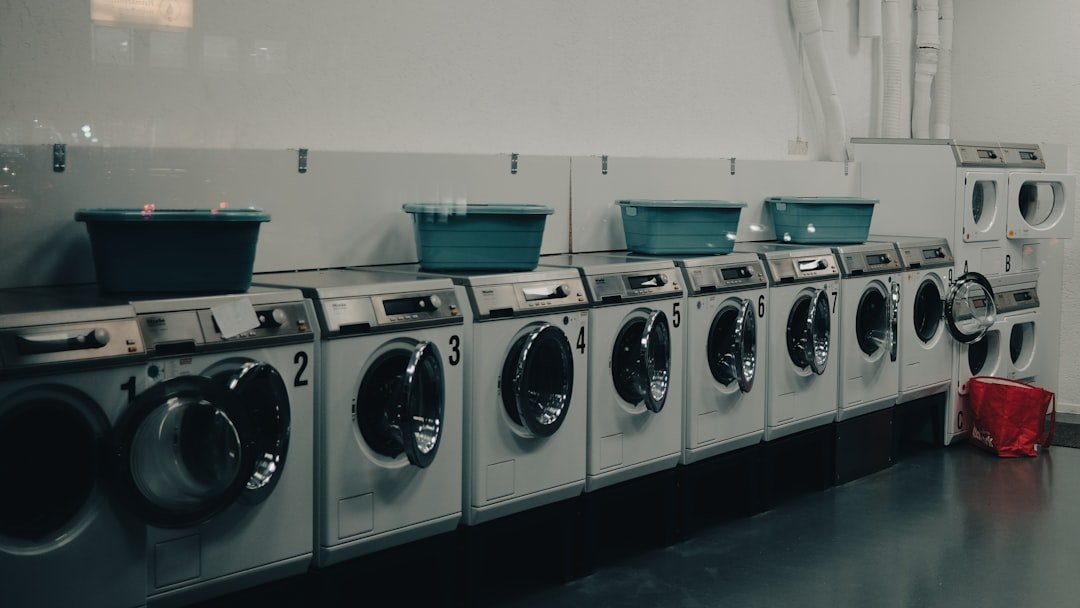
Vertical storage solutions maximize space efficiency in laundry rooms and closets by utilizing wall and ceiling areas that are frequently overlooked. Installing floor-to-ceiling shelving systems provides storage for infrequently used items such as seasonal bedding, holiday decorations, and bulk cleaning supplies. This approach reserves accessible lower areas for daily-use items while maintaining organization throughout the space.
Wall-mounted storage systems, including pegboards and rack systems, accommodate cleaning tools like brooms, mops, and vacuum attachments. These mounting solutions prevent floor clutter and provide immediate visual access to stored items. Pegboard systems offer adjustable configurations that can be modified as storage needs change over time.
Additional vertical storage options include wall hooks for ironing boards, laundry bags, and hanging organizers. Overhead storage racks can hold items like luggage or storage bins. Door-mounted organizers on the back of closet or laundry room doors create additional storage without requiring floor space.
These vertical solutions increase storage capacity by 30-50% compared to traditional floor-based storage methods while improving accessibility and organization.
Sorting and Labeling Systems
An effective sorting and labeling system is crucial for maintaining organization in any space, especially in areas prone to clutter like laundry rooms. The first step in creating such a system is to categorize items based on their function or frequency of use. For instance, laundry detergents, fabric softeners, and stain removers can be grouped together on a dedicated shelf.
This not only streamlines the process of doing laundry but also minimizes the time spent searching for specific products. Labeling is equally important in this context. Clear labels on bins or shelves can significantly enhance efficiency by allowing family members to quickly identify where items belong.
For example, using color-coded labels for different categories—such as whites, colors, and delicates—can help streamline the sorting process before washing. Furthermore, incorporating a labeling system for seasonal items or infrequently used supplies can prevent confusion and ensure that everything is returned to its rightful place after use.
Efficient Storage Solutions
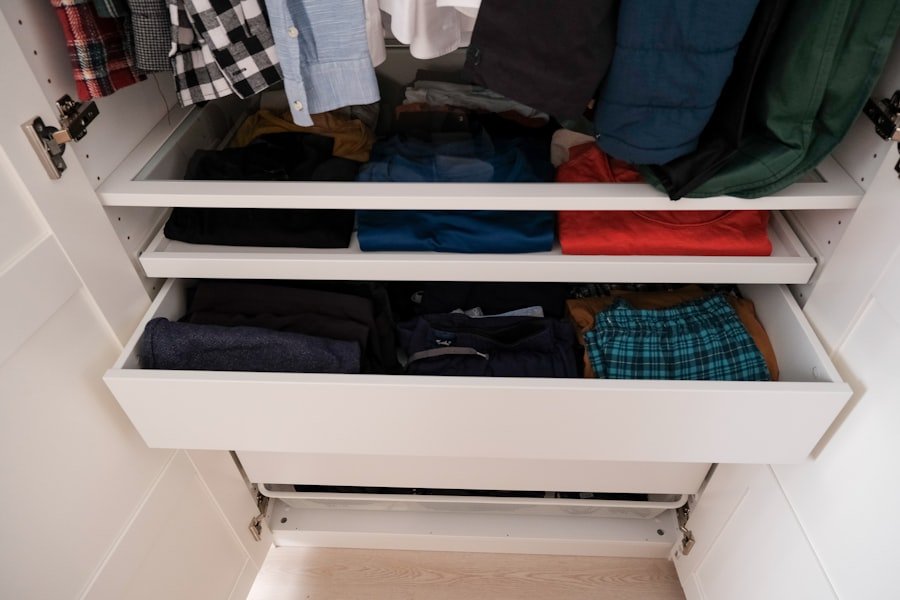
When it comes to storage solutions in laundry rooms or utility spaces, efficiency is key. One popular option is the use of modular storage units that can be customized to fit specific needs. These units often come with adjustable shelves and compartments that can be tailored to accommodate various sizes of items, from large bottles of detergent to small packets of dryer sheets.
This flexibility allows homeowners to maximize their storage potential while keeping everything organized. Another effective storage solution is the use of rolling carts. These mobile units can be easily moved around the laundry room or even transported to other areas of the home as needed.
A rolling cart can serve multiple purposes: it can hold laundry supplies, act as a folding station, or even store cleaning products for easy access throughout the house. By incorporating such versatile storage solutions, homeowners can create a more dynamic and functional space that adapts to their changing needs.
Folding and Ironing Stations
Creating a dedicated folding and ironing station within the laundry area can significantly enhance the efficiency of laundry tasks. A well-designed folding station should be at a comfortable height to minimize strain on the back while folding clothes. This could be as simple as a countertop or a table specifically designated for this purpose.
Having a designated space not only makes folding more efficient but also encourages individuals to complete this task promptly rather than leaving clean clothes in baskets. In addition to a folding station, incorporating an ironing board that can be easily stored away when not in use is essential for maintaining an organized space. Wall-mounted ironing boards are an excellent option as they can be folded down when needed and tucked away when not in use.
This design saves space while ensuring that ironing remains a convenient part of the laundry process. Furthermore, having an iron holder nearby can keep the area tidy and prevent accidents associated with hot appliances.
Streamlining the Washing Process
| Tip | Description | Benefit | Estimated Time to Implement |
|---|---|---|---|
| Declutter and Sort | Remove unnecessary items and sort laundry supplies by category. | Creates more space and easier access to essentials. | 1-2 hours |
| Use Vertical Storage | Install shelves or cabinets above washer and dryer. | Maximizes space and keeps items organized. | 2-3 hours |
| Incorporate Laundry Baskets | Use labeled baskets for sorting clothes (e.g., whites, colors). | Simplifies sorting and reduces laundry time. | 30 minutes |
| Install a Folding Station | Designate a flat surface for folding clothes. | Improves workflow and keeps clothes neat. | 1-2 hours |
| Use Hooks and Rods | Add hooks or rods for hanging clothes and accessories. | Prevents wrinkles and saves space. | 1 hour |
| Label Containers | Label jars or bins for detergents, softeners, and other supplies. | Enhances organization and quick identification. | 30 minutes |
| Ensure Proper Lighting | Install bright, energy-efficient lighting in the laundry area. | Improves visibility and safety. | 1-2 hours |
To streamline the washing process, it’s essential to establish a routine that minimizes time spent on each task while maximizing efficiency. One effective strategy is to sort laundry by color and fabric type before washing begins. This pre-sorting can be facilitated by using separate hampers for different categories—such as whites, colors, and delicates—making it easier to load the washing machine without additional sorting.
Additionally, utilizing modern washing machines with programmable settings can further enhance efficiency. Many machines now come equipped with features that allow users to select specific cycles based on fabric type or soil level, ensuring optimal cleaning without unnecessary wear on clothing. By taking advantage of these technological advancements, homeowners can save time and energy while achieving better results in their laundry routine.
Incorporating Multi-Use Furniture
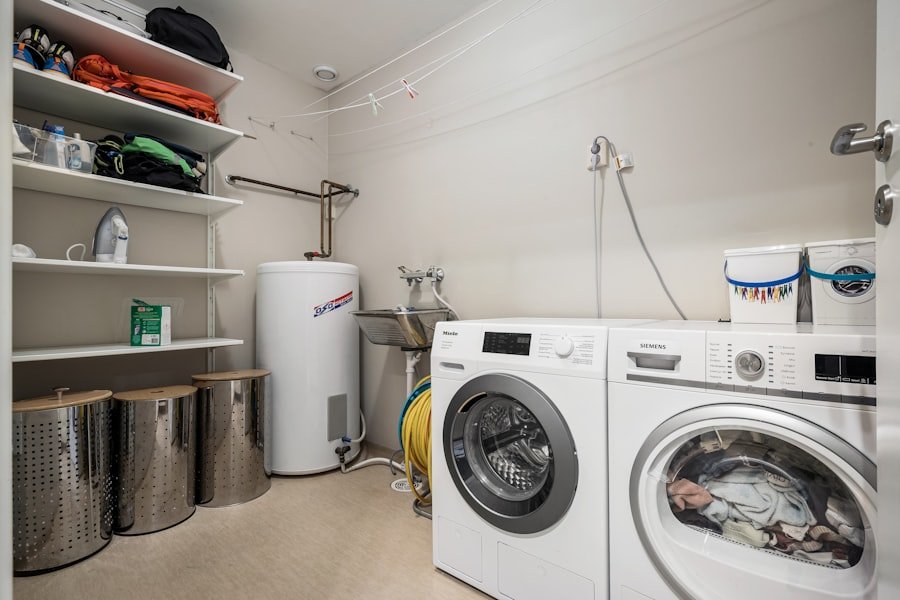
In smaller homes or apartments where space is at a premium, incorporating multi-use furniture can be a game-changer for organization and functionality. For instance, a bench with built-in storage can serve as both a seating area and a place to store laundry supplies or cleaning products. This dual-purpose furniture not only maximizes space but also adds an element of style to the room.
Another example of multi-use furniture is a foldable table that can be used for various tasks beyond just folding laundry. When not in use for laundry purposes, it can serve as a workspace for crafts or even as an extra dining surface during gatherings. By selecting furniture that serves multiple functions, homeowners can create versatile spaces that adapt to their needs while maintaining an organized environment.
Creating a Drying Area
A designated drying area is essential for maintaining the quality of delicate fabrics and preventing damage from high heat in dryers. This area should be well-ventilated and equipped with drying racks that can accommodate various types of clothing. Wall-mounted drying racks are particularly useful as they can be folded away when not in use, saving valuable floor space.
In addition to traditional drying racks, homeowners might consider incorporating a retractable clothesline for larger items like sheets or towels. This solution allows for air drying while keeping items out of the way when not in use. By creating an efficient drying area, individuals can ensure that their garments are cared for properly while also contributing to energy savings by reducing reliance on electric dryers.
Implementing a Cleaning Schedule
Establishing a cleaning schedule is vital for maintaining organization in any household, particularly in areas like laundry rooms where clutter can accumulate quickly. A well-structured schedule should outline specific tasks that need to be completed daily, weekly, or monthly. For instance, dedicating one day each week to deep clean the laundry area—wiping down surfaces, organizing supplies, and checking inventory—can prevent mess from building up over time.
Moreover, involving all family members in this cleaning schedule fosters accountability and ensures that everyone contributes to maintaining an organized space. Assigning specific tasks based on individual capabilities—such as sorting laundry or restocking supplies—can make the process more manageable and less overwhelming. By implementing a consistent cleaning schedule, households can enjoy a more organized environment that supports efficient laundry practices and overall home management.
FAQs
What are some essential tips for organizing a functional laundry space?
Some essential tips include decluttering the area, using storage solutions like shelves and bins, designating specific zones for sorting, washing, drying, and folding, and ensuring good lighting and ventilation.
How can I maximize space in a small laundry room?
To maximize space, use vertical storage such as wall-mounted shelves or cabinets, install a fold-down drying rack, use stackable washer and dryer units, and keep frequently used items within easy reach.
What types of storage solutions work best in a laundry area?
Storage solutions like open shelving, labeled bins or baskets, hanging rods for clothes, pull-out hampers, and drawer organizers help keep laundry supplies neat and accessible.
How important is lighting in a laundry space?
Good lighting is very important as it helps you see stains clearly, read labels, and work safely. Natural light is ideal, but bright, energy-efficient overhead and task lighting also work well.
What should I consider when choosing laundry room furniture or appliances?
Consider the size and layout of your space, energy efficiency of appliances, ease of access, and whether furniture or appliances offer additional storage or folding surfaces.
How can I keep my laundry space clean and clutter-free?
Regularly declutter, put away supplies after use, clean lint traps and surfaces frequently, and create a routine for sorting and folding laundry to maintain order.
Is it helpful to have a designated folding area in the laundry room?
Yes, having a designated folding area helps streamline the laundry process, keeps clothes organized, and prevents clutter from accumulating on other surfaces.
Can adding a laundry sink improve functionality?
Yes, a laundry sink is useful for hand-washing delicate items, pre-treating stains, and cleaning up messes, enhancing the overall functionality of the space.