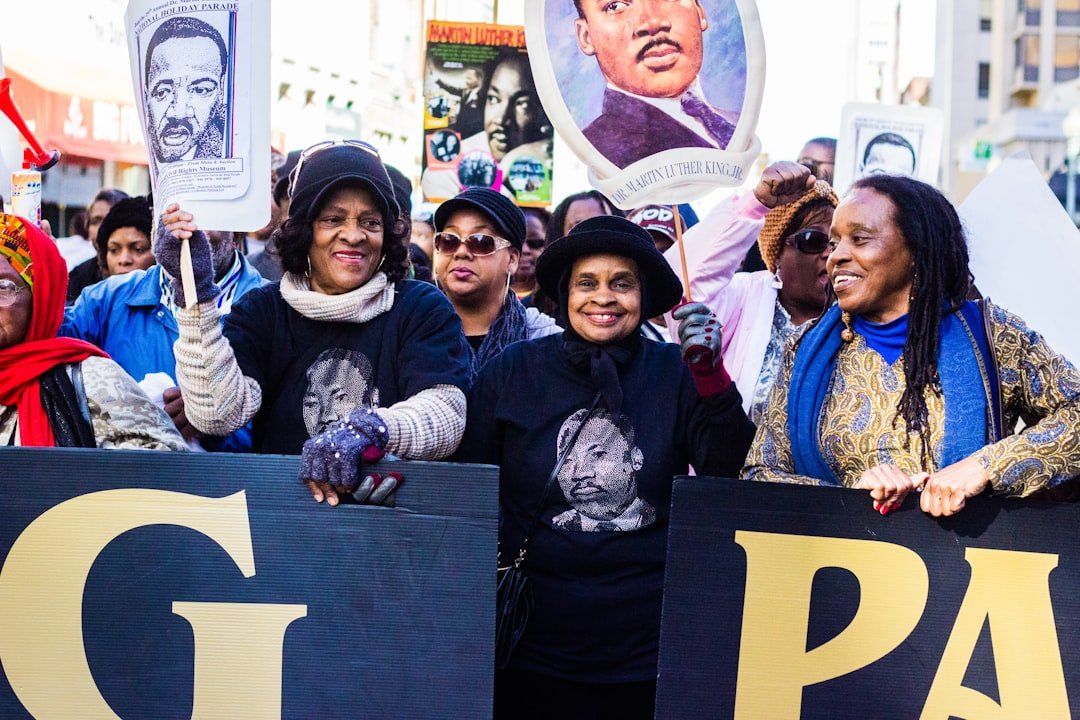
Civil rights are legal protections and privileges that ensure equal treatment and prevent discrimination within society. These rights, typically codified in law, shield individuals from state or institutional abuses. They include voting rights, freedom of speech, peaceful assembly, and equal legal protection.
Civil rights fundamentally enable individuals to participate in civic life without discrimination based on characteristics such as race, gender, or religion. The foundation of civil rights rests on principles of equality and justice, aiming to provide all individuals with identical opportunities and protections regardless of background. The Civil Rights Act of 1964 in the United States stands as a significant legislative achievement that prohibited discrimination based on race, color, religion, sex, or national origin.
This legislation not only changed legal frameworks but also initiated broader social transformation, empowering marginalized groups and promoting inclusivity. Civil rights therefore extend beyond legal definitions to represent society’s commitment to universal dignity and respect.
Defining Human Rights
Human rights, on the other hand, are universal entitlements that belong to every person simply by virtue of being human. These rights are inherent and inalienable, meaning they cannot be taken away or given up. Human rights encompass a broad spectrum of protections, including civil and political rights such as the right to life, freedom from torture, and freedom of expression, as well as economic, social, and cultural rights like the right to education, health care, and an adequate standard of living.
The Universal Declaration of Human Rights (UDHR), adopted by the United Nations General Assembly in 1948, serves as a foundational document outlining these rights and establishing a common standard for all nations. The distinction between civil rights and human rights lies primarily in their scope and application. While civil rights are often specific to particular legal jurisdictions and focus on the relationship between individuals and the state, human rights transcend national boundaries and are applicable to all people regardless of their location.
This universality underscores the idea that human dignity is a fundamental principle that should be respected and protected globally. For example, while civil rights laws may vary from one country to another, human rights principles advocate for the same basic freedoms and protections for all individuals worldwide.
Historical Context of Civil Rights
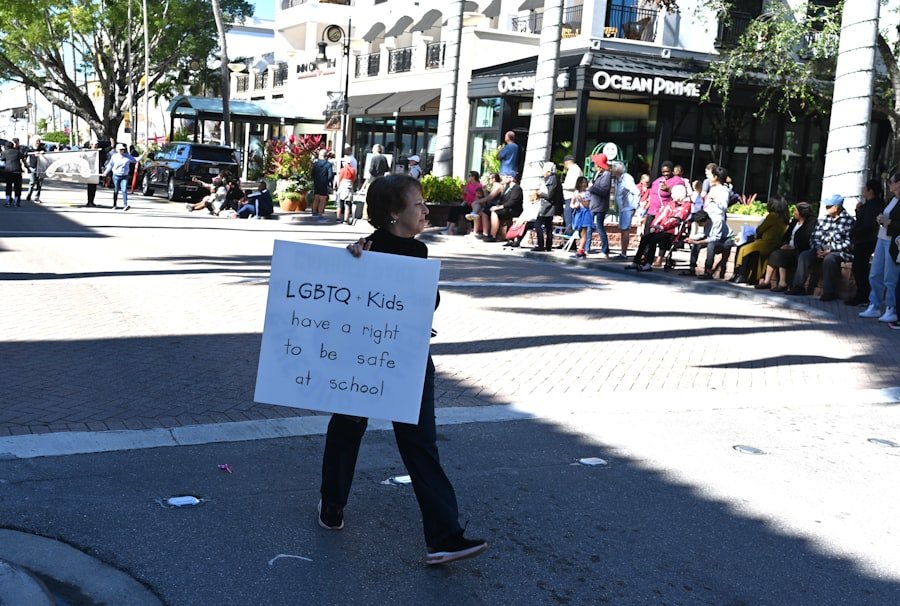
The historical context of civil rights is marked by significant struggles against systemic oppression and discrimination. In the United States, the civil rights movement of the 1950s and 1960s emerged as a response to decades of racial segregation and inequality faced by African Americans. Key figures such as Martin Luther King Jr., Rosa Parks, and Malcolm X played pivotal roles in advocating for civil rights through nonviolent protests, legal challenges, and grassroots organizing.
The movement sought to dismantle Jim Crow laws that enforced racial segregation in public spaces and institutions, ultimately leading to landmark legislation like the Civil Rights Act of 1964 and the Voting Rights Act of 1965. Globally, civil rights movements have taken various forms depending on the sociopolitical context. In South Africa, for instance, the struggle against apartheid was characterized by a fierce resistance against institutionalized racial discrimination.
Leaders like Nelson Mandela and Desmond Tutu galvanized international support for their cause, highlighting the importance of civil rights not only within national borders but also on a global scale. The historical trajectory of civil rights movements illustrates a persistent fight for justice and equality that continues to evolve as new challenges arise.
Historical Context of Human Rights
The historical context of human rights is intertwined with philosophical thought and political developments over centuries. The roots of human rights can be traced back to ancient civilizations where concepts of justice and fairness began to take shape. However, it was not until the Enlightenment period in the 17th and 18th centuries that human rights began to be articulated more formally.
Thinkers such as John Locke and Jean-Jacques Rousseau emphasized natural rights—rights inherent to all individuals—which laid the groundwork for modern human rights discourse. The aftermath of World War II marked a significant turning point in the recognition of human rights on a global scale. The atrocities committed during the war prompted an urgent need for an international framework to protect individuals from similar violations in the future.
The establishment of the United Nations in 1945 was a crucial step toward this goal. The adoption of the Universal Declaration of Human Rights in 1948 represented a collective commitment by nations to uphold fundamental freedoms for all people. This document not only articulated a comprehensive list of human rights but also set a precedent for subsequent international treaties and conventions aimed at protecting these rights across various contexts.
Legal Protections for Civil Rights
| Aspect | Civil Rights | Human Rights |
|---|---|---|
| Definition | Rights granted and protected by a specific country’s laws to its citizens. | Universal rights inherent to all human beings regardless of nationality or status. |
| Scope | Limited to citizens within a particular nation or jurisdiction. | Applies to all people globally, transcending national boundaries. |
| Examples | Right to vote, right to equality before the law, freedom from discrimination. | Right to life, freedom from torture, freedom of thought and religion. |
| Legal Basis | Established and enforced by national constitutions and laws. | Based on international treaties, declarations, and customary international law. |
| Enforcement | Enforced by national courts and government institutions. | Enforced through international bodies and agreements, though enforcement varies. |
| Origin | Developed historically within specific countries to protect citizens’ rights. | Rooted in philosophical and moral principles recognizing inherent human dignity. |
| Examples of Documents | U.S. Civil Rights Act, national constitutions. | Universal Declaration of Human Rights, International Covenant on Civil and Political Rights. |
Legal protections for civil rights are established through legislation, judicial rulings, and constitutional provisions that aim to safeguard individuals from discrimination and ensure equal treatment under the law. In many countries, civil rights laws are designed to address specific forms of discrimination based on race, gender, sexual orientation, disability, and other characteristics. For example, in the United States, Title VII of the Civil Rights Act prohibits employment discrimination based on race, color, religion, sex, or national origin.
This legal framework empowers individuals to seek redress through courts if they believe their civil rights have been violated. In addition to statutory protections, judicial interpretations play a critical role in shaping civil rights law. Landmark Supreme Court cases such as Brown Board of Education (1954) challenged racial segregation in public schools and set a precedent for future civil rights litigation.
Similarly, cases like Obergefell Hodges (2015) affirmed marriage equality for same-sex couples, illustrating how legal protections can evolve over time in response to societal changes. The ongoing development of civil rights law reflects a dynamic interplay between legislation, judicial interpretation, and grassroots advocacy aimed at promoting equality and justice.
Legal Protections for Human Rights
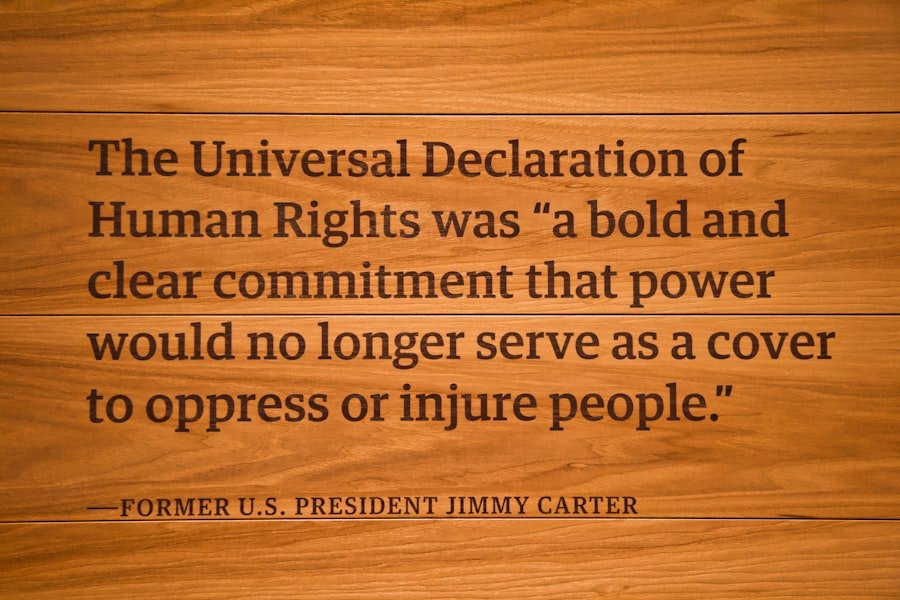
Legal protections for human rights operate on both national and international levels. At the international level, various treaties and conventions have been established to promote and protect human rights globally. The International Covenant on Civil and Political Rights (ICCPR) and the International Covenant on Economic, Social and Cultural Rights (ICESCR) are two key instruments that outline specific obligations for states regarding the protection of human rights.
These covenants serve as binding agreements that require signatory nations to respect and ensure the rights contained within them. On a national level, many countries have incorporated human rights principles into their constitutions or legal frameworks. For instance, South Africa’s post-apartheid constitution includes an extensive Bill of Rights that guarantees fundamental freedoms such as equality, dignity, and freedom of expression.
This legal framework not only provides citizens with recourse against violations but also establishes a culture of respect for human rights within society. Additionally, national human rights institutions (NHRIs) have emerged in various countries to monitor compliance with human rights standards and address grievances related to violations.
Intersectionality of Civil and Human Rights
The intersectionality of civil and human rights highlights how these two domains overlap and inform one another in addressing issues of inequality and injustice. Intersectionality recognizes that individuals may experience multiple forms of discrimination simultaneously based on their race, gender identity, sexual orientation, socioeconomic status, or other factors. This concept emphasizes that civil rights cannot be fully understood without considering broader human rights frameworks that encompass social justice issues.
For example, consider the case of women of color who face both gender-based discrimination and racial discrimination. Their experiences cannot be adequately addressed through civil rights laws focused solely on race or gender; rather, an intersectional approach is necessary to understand how these identities interact to create unique challenges. Movements advocating for both civil and human rights often emphasize this interconnectedness by addressing systemic inequalities that affect marginalized communities holistically.
Contemporary Issues in Civil and Human Rights
Contemporary issues in civil and human rights continue to evolve as societies grapple with new challenges arising from globalization, technological advancements, and shifting political landscapes. One pressing issue is the rise of authoritarianism in various parts of the world, which poses significant threats to both civil liberties and human rights protections. Governments may enact laws that curtail freedom of expression or assembly under the guise of national security or public order, leading to widespread violations.
Another critical area of concern is the ongoing struggle for racial justice and equality in many countries. Movements such as Black Lives Matter have brought attention to systemic racism within law enforcement and criminal justice systems, highlighting how civil rights violations disproportionately affect marginalized communities. Similarly, issues related to immigration policies often intersect with human rights concerns as individuals face deportation or detention without due process.
Additionally, technological advancements raise new questions about privacy rights and surveillance practices that can infringe upon both civil liberties and human dignity. The proliferation of digital surveillance technologies has sparked debates about balancing security needs with individual freedoms in an increasingly interconnected world. In summary, while civil rights focus on specific legal protections within a given jurisdiction aimed at ensuring equality before the law, human rights encompass broader universal entitlements inherent to all individuals regardless of nationality or status.
Understanding these distinctions is crucial for addressing contemporary challenges related to justice and equality on both local and global scales.
FAQs
What are civil rights?
Civil rights are the rights that protect individuals’ freedom and ensure their equal treatment under the law within a specific country. These rights typically include protections against discrimination based on race, gender, religion, or nationality and guarantee freedoms such as voting, speech, and privacy.
What are human rights?
Human rights are fundamental rights and freedoms that belong to every person in the world, regardless of nationality, ethnicity, gender, or any other status. They include rights such as the right to life, freedom from torture, freedom of thought, and the right to education.
How do civil rights differ from human rights?
Civil rights are specific to a particular country’s legal system and focus on ensuring equal treatment and protection under that country’s laws. Human rights are universal and apply to all people everywhere, regardless of the laws of any particular country.
Are civil rights legally enforceable?
Yes, civil rights are typically protected and enforced by national laws and legal systems. Individuals can often seek legal remedies if their civil rights are violated.
Are human rights legally enforceable?
Human rights are recognized internationally through treaties and agreements, such as the Universal Declaration of Human Rights. While many countries incorporate these rights into their laws, enforcement can vary, and international bodies may intervene in cases of serious violations.
Can civil rights exist without human rights?
Civil rights are a subset of human rights focused on legal protections within a country. While civil rights depend on the recognition of human rights principles, it is theoretically possible for a country to grant certain civil rights without fully respecting all human rights.
Who protects civil rights and human rights?
Civil rights are protected by national governments, courts, and legal institutions. Human rights are protected by international organizations such as the United Nations, regional bodies, non-governmental organizations, and sometimes national governments.
Why is it important to understand the difference between civil rights and human rights?
Understanding the difference helps clarify the scope and application of rights protections, the mechanisms for enforcement, and the responsibilities of governments and international bodies in safeguarding these rights.